Extent of Infestation
Deputy Director (Plant Protection) Lalrindiki confirmed that the rodent attacks were reported from several villages in Mamit and Lunglei districts, as well as Leilak village in Saitual district. Approximately 158 hectares out of 2,500 hectares under jhum cultivation have been affected, primarily impacting rice and soybean farmers.
Mamit district, bordering Tripura and Bangladesh, is the worst-hit, with 769 farmers across 45 villages reporting crop damage.
 Link to Bamboo Flowering Cycle
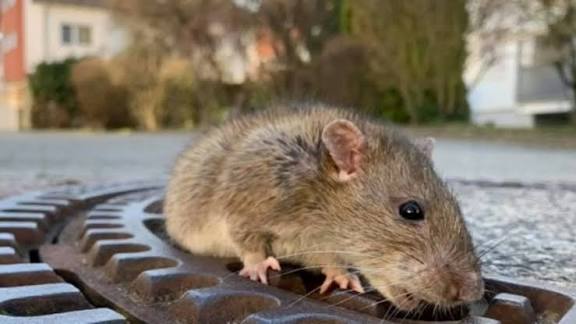
The infestation is believed to be linked to the ‘Thingtam’ phenomenon—the flowering of the bamboo species Bambusa tulda, occurring once every 46 years. The last such flowering in Mizoram was in 1977. Historical data suggests that bamboo flowering triggers an increase in the rodent population, causing widespread crop damage.
Government Response
Authorities have distributed rodenticides and plant protection chemicals to affected villages. Agriculture Department teams are actively guiding farmers and village councils on safe usage of these chemicals. Awareness campaigns on mass poisoning of rodents are also underway.
District agriculture officers have been instructed to submit weekly updates on the situation to ensure close monitoring. Currently, the infestation is limited to jhum paddy fields and a few soybean plantations, with wet rice cultivation yet to be affected.
Historical Context
Rodent infestations following bamboo flowering have previously led to famine-like situations in Mizoram. In 2007, similar conditions arose due to Melocanna baccifera flowering, though timely financial assistance from the Centre and government preparation prevented fatalities.
Agriculture remains the livelihood of roughly 70% of Mizoram’s population. Slash-and-burn jhum farming traditionally yields low production, but state initiatives have gradually promoted horticulture and long-term plantations such as betel nuts, grapes, and pineapples to enhance food security.
Socio-Political Significance
Historically, famine conditions in Mizoram fueled socio-political unrest. The two-decade insurgency led by the Mizo National Front (MNF) was partly a response to food crises caused by ‘mautam.’ Following a historic peace accord with the Centre in 1986, Mizoram became India’s 23rd state in 1987, highlighting the importance of proactive agricultural management.
The current government’s swift intervention, including chemical distribution, awareness campaigns, and close monitoring, aims to prevent a recurrence of past famines and secure livelihoods for affected farmers.
Rodent infestation in Mizoram’s jhum fields threatens the harvest of rice and soybeans, prompting state-wide alert.
Disclaimer: This article is based on information available at the time of publication. RamRajya News and the author disclaim responsibility for any inadvertent errors or omissions. Views expressed are personal to the author and do not necessarily represent the editorial stance of RamRajya News.