
MNRE Simplifies CFA Norms for Waste-to-Energy Projects

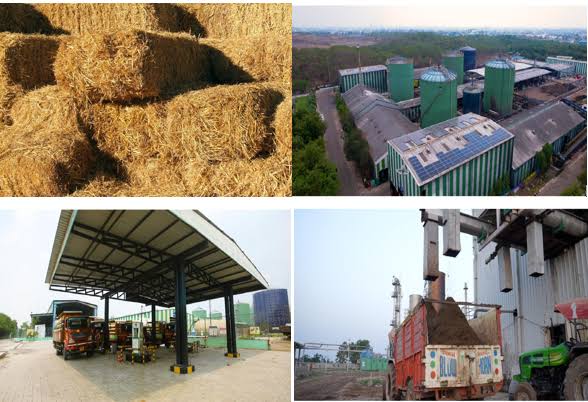
The revised guidelines streamline the process of availing Central Financial Assistance (CFA), particularly benefiting MSMEs engaged in producing Compressed Biogas (CBG), Biogas, and power from organic waste. Instead of waiting to achieve 80% capacity generation, developers can now receive CFA in two stages.
- Stage 1: 50% CFA released post Consent to Operate certificate (with bank guarantee)
- Stage 2: Remaining 50% released after reaching 80% of rated capacity or maximum eligible capacity—whichever is lower
For projects falling short of the 80% mark, pro-rata CFA disbursal is now allowed, provided they generate more than 50%. Projects generating below 50% PLF will not receive any assistance.
Ease of Doing Business for Developers
In addition to financial flexibility, MNRE has cut down paperwork, removed redundant approvals, and allowed developers to claim CFA within 18 months of commissioning or in-principle approval—whichever is later. This addresses key industry pain points, particularly for startups and small-scale players.
Improved Monitoring and Joint Inspections
Inspection procedures have also been restructured. Now, a joint team—led by the National Institute of Bio-Energy (SSS-NIBE)—along with State Nodal Agencies (SNAs), BTDCs, or empanelled bodies will conduct inspections. Developers not availing advance CFA will face only one performance-based inspection, reducing delays and ensuring transparency.
Boost to Net-Zero Goals
By aligning incentives with actual plant performance, these changes are expected to boost clean energy production from agricultural stubble, municipal waste, and industrial by-products. This complements India’s long-term goal of net-zero emissions by 2070.
Furthermore, this initiative supports the government’s broader efforts under the National Bioenergy Programme to integrate circular economy practices and reduce landfill dependency.
Way Forward
The revised WtE framework reflects the government’s commitment to creating a developer-friendly renewable energy landscape. By reducing bureaucratic hurdles, rewarding output over red tape, and fostering cleaner technology adoption, MNRE is leading by example.
This policy shift not only accelerates private investment in bioenergy but also empowers India’s rural and urban sectors to manage waste sustainably and profitably.