
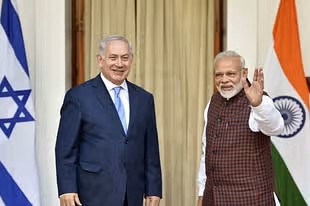
India Urges Peace as Modi Speaks with Israeli PM Netanyahu
As tensions escalate in West Asia, Indian Prime Minister Narendra Modi held a crucial conversation with Israeli Prime Minister Benjamin Netanyahu on June 13, 2025. The two leaders exchanged views over the rapidly changing situation in the region.
Netanyahu briefed Modi on recent developments, following which Modi conveyed India’s deep concern. Stressing India’s long-standing commitment to peace, he underscored the importance of immediate de-escalation and restoration of stability.
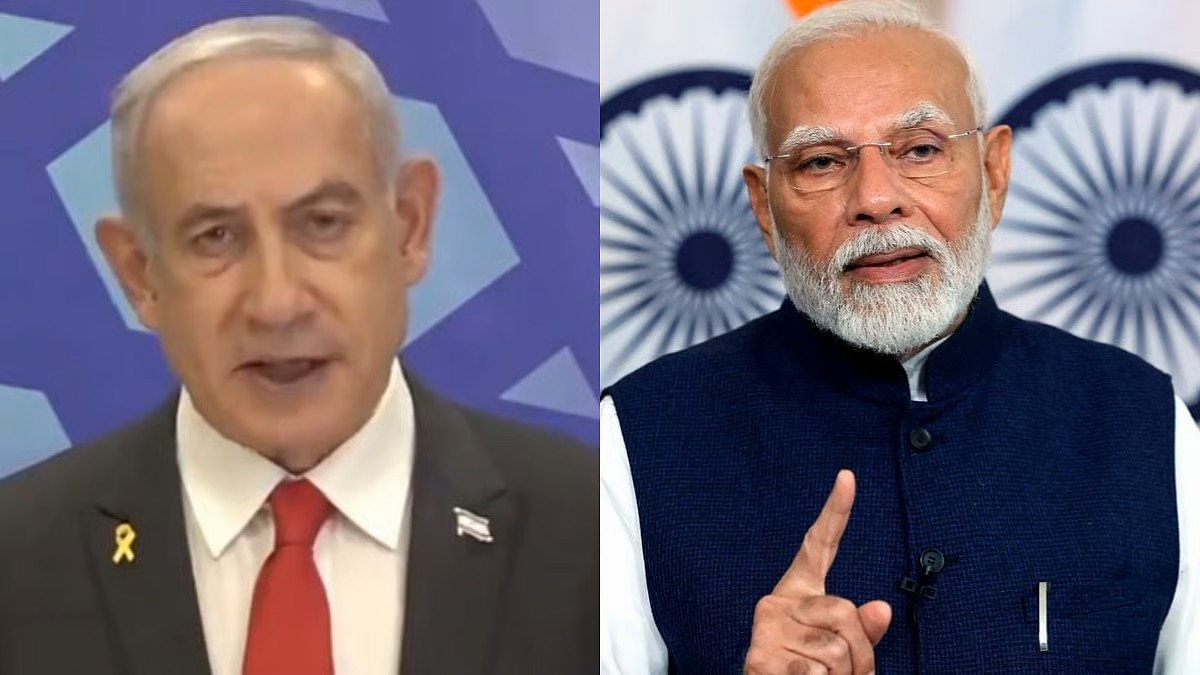

PM Modi, in a social media post on X (formerly Twitter), shared:
“Received a phone call from PM @netanyahu of Israel. He briefed me on the evolving situation. I shared India’s concerns and emphasized the need for early restoration of peace and stability in the region.”
India’s approach remains rooted in its principled foreign policy — balancing strategic ties with West Asian nations while advocating for peaceful resolution of conflicts.
India’s Global Diplomacy: A Neutral but Firm Voice
India has historically maintained strong diplomatic relations with both Israel and Palestine. It continues to advocate for a two-state solution and calls for all parties to prioritize civilian safety and ceasefire agreements.
While the Indian government refrains from direct military commentary, it uses strategic dialogues and backchannel diplomacy to urge restraint. Modi’s recent interaction with Netanyahu aligns with this consistent message of peace and cooperative international engagement.
What’s Happening in West Asia?
The current escalation stems from ongoing retaliatory strikes and militia activity across Gaza, southern Lebanon, and the West Bank. With increasing civilian casualties, international actors including the United Nations, United States, and European Union have urged restraint.
India, too, has been monitoring the situation closely. The Ministry of External Affairs (MEA) has issued advisories for Indian nationals in affected regions and emphasized humanitarian concerns.
See MEA advisory updates here
India’s Strategic Interests in the Region
India imports a significant portion of its energy from West Asia, making regional peace critical to national economic interests. With over 8 million Indians living and working across the Gulf, India’s diplomatic efforts often extend beyond politics, focusing on diaspora safety and economic stability.
India also shares close defense and technological ties with Israel. However, Modi’s current stance reflects a balanced diplomatic tone, advocating for dialogue and de-escalation.
International Reactions: The Bigger Picture
India is not alone in seeking calm. The UN Security Council, Arab League, and even NATO allies have initiated peace talks and issued statements. Meanwhile, humanitarian agencies are calling for urgent aid corridors and ceasefires.
Modi’s call with Netanyahu adds to a growing chorus of leaders working behind the scenes to prevent the situation from spiraling into a larger regional war.
A Call for Unity and Stability
This is not the first time Modi has reached out during global crises. From Russia-Ukraine to Afghanistan, India’s foreign policy has consistently promoted multilateralism and peaceful negotiation.
The Indian government is expected to stay in touch with multiple regional actors, maintaining its role as a trusted neutral player in international diplomacy.