
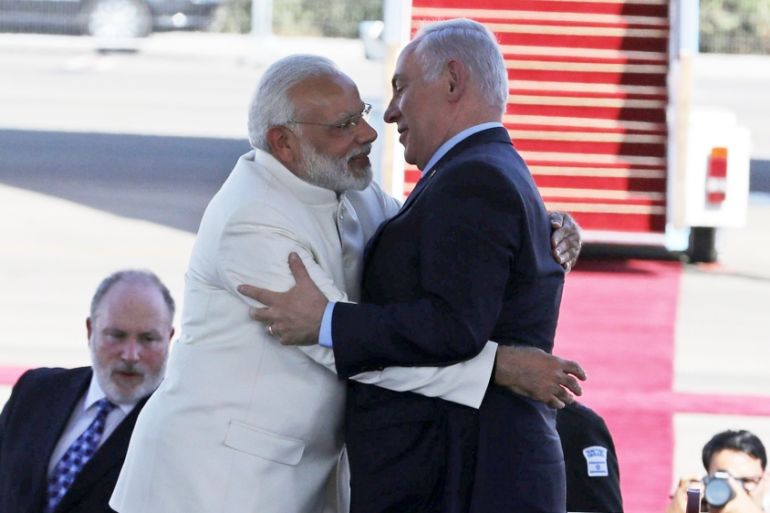

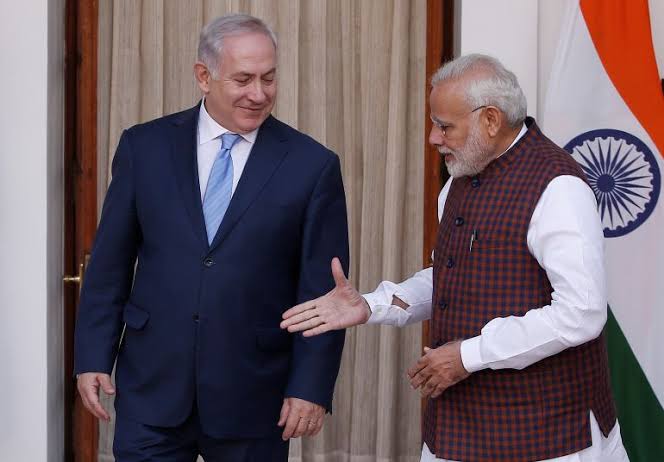
India’s historical support for Palestine dates back to 1947 when it opposed UN partition plans, and recognition of Palestine followed in 1988. Yet, under Modi, India has increasingly prioritized strategic autonomy and pragmatic alliances. Experts suggest that this pivot, while strengthening India-Israel ties, comes at a cost to India’s moral influence in the Global South.
Defense cooperation is a key pillar of the relationship. India has become Israel’s largest arms buyer, and the two countries recently signed a memorandum of understanding exploring joint development of anti-ballistic missile defense systems. Modi is also scheduled to address Israel’s Knesset, reinforcing the political and strategic significance of his visit.
Observers note that Modi’s engagement is not purely diplomatic; it coincides with Netanyahu’s upcoming elections, signaling a personal and strategic dimension to the visit. At the same time, India maintains a public commitment to a two-state solution, advocating peace through dialogue, even as it has tempered criticism of Israeli actions in Gaza.
Trade, technology, and people-to-people connections have also expanded. With tens of thousands of Indians working in Israel, particularly after the 2023 Hamas attack, economic ties complement strategic and diplomatic cooperation.
India’s broader Middle East policy under Modi emphasizes strategic autonomy, balancing relations with Israel, Arab states, and Iran. Amid tensions between the US and Iran, India’s positioning in the region may yield economic and geopolitical dividends, analysts say.
Ultimately, Modi’s approach reflects a nuanced combination of strategic, economic, and diplomatic considerations. While India strengthens its ties with Israel, questions remain regarding its traditional support for Palestine and the broader implications for India’s credibility on the global stage.