
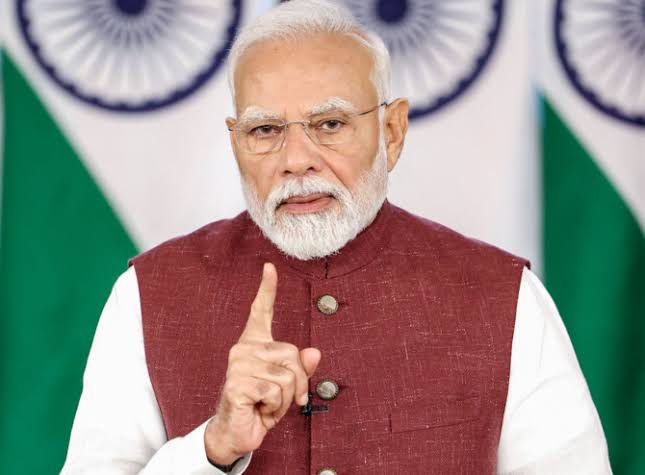
India’s Bold Response: What Modi Told US Vice President JD Vance


Operation Sindoor: India’s Decisive Counterstrike
The very next day, between May 9–10, India launched a precise and powerful military operation, targeting critical Pakistani military installations. Dubbed Operation Sindoor, the retaliatory strike crippled several Pakistani airbases and inflicted heavy damage to their military assets.
Misri confirmed that India’s strategic strike not only neutralized the threat but also forced Pakistan to request a halt to military operations. The offensive marked a turning point in the four-day conflict, altering the course of diplomacy and warfare in South Asia.
India Maintains Control Over Narrative
During a follow-up phone call with former US President Donald Trump, PM Modi reiterated that India’s actions were:
- Measured
- Non-escalatory
- Solely defensive
Modi dismissed all talk of US mediation, stating that no discussion took place regarding any trade deal or third-party involvement in bilateral issues between India and Pakistan.
Why It Matters: Shifting Power Dynamics
This swift and strategic counteroffensive showcased a new India — assertive, calculated, and unafraid to call the shots. Analysts believe this marks the beginning of a doctrine shift, where pre-emptive diplomacy is paired with aggressive defence tactics.
The Indian strike led to:
- Severe operational setbacks for the Pakistani military
- Diplomatic isolation for Pakistan in global forums
- Increased pressure on Pakistan’s civilian leadership to de-escalate
Global Response and Public Reactions
Though the United States attempted to claim mediation credit, India strongly refuted any such role. India’s clear stance emphasized sovereignty and non-interference, reinforcing its growing image as a self-assured regional power.
Citizens across India hailed the military response as a bold move, with social media flooded with hashtags like #OperationSindoor, #IndiaStrikesBack, and #ModiDoctrine.
What Lies Ahead
While the ceasefire currently holds, tensions remain high. Analysts predict that India may:
- Re-evaluate its defence posture in border regions
- Push for international scrutiny of Pakistani-backed terror networks
- Invest further in intelligence-sharing with allies
As India braces for potential aftershocks of Operation Sindoor, one thing is clear — the rules of engagement in South Asia have changed.