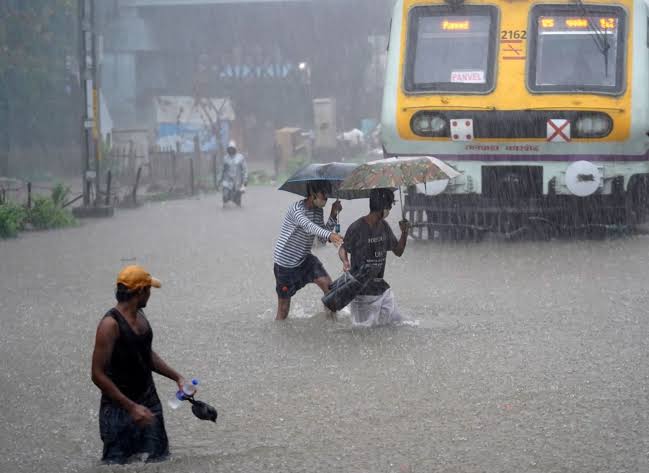
As the southwest monsoon steadily makes its way across India, the country is bracing for a wave of intense weather activity. The India Meteorological Department (IMD) has forecast widespread thunderstorms and gusty winds across several northern and southern regions, bringing with them much-needed rainfall, but also disruption and concern for residents already grappling with heat and humidity.
Delhi and its surrounding areas are expected to witness rain and thunderstorms today, with the IMD issuing an orange alert for the national capital. The warning comes after light showers on Thursday evening offered a brief respite from the persistent summer heat. However, the minimum temperature still hovered around 29°C—well above the seasonal norm—highlighting the oppressive weather conditions that residents continue to endure.
In the northwestern states, including Jammu & Kashmir, Himachal Pradesh, Uttarakhand, Punjab, Haryana, and Rajasthan, moderate to heavy rainfall is expected over the next few days. The IMD attributes these developments to upper air cyclonic circulations—one over west Rajasthan and another over northern central Uttar Pradesh. With these systems in play, isolated areas may see heavy rainfall, strong winds, and lightning, raising both hopes for cooler weather and concerns about safety and mobility.
Kerala, which traditionally receives some of the earliest monsoon showers, is facing more serious consequences. The IMD has issued a red alert for eight districts, including Pathanamthitta, Idukki, and Ernakulam, with forecasts indicating the likelihood of very heavy rainfall over the next three to four days. In response, district authorities have taken precautionary measures by declaring holidays for all educational institutions on May 30. In hilly Idukki, night-time travel has been restricted from 7 p.m. to 6 a.m. to prevent accidents in landslide-prone areas.
Andhra Pradesh is also in the path of active weather systems. Thunderstorms accompanied by lightning and gusty winds are expected across various parts of the state—including the coastal regions and Rayalaseema—till May 31. Similar warnings have been issued for several districts in Rajasthan, where rain and thunderstorms are likely to hit areas such as Udaipur, Bikaner, and Jaipur over the next two days.
The early arrival of the monsoon has not come without side effects. In Mumbai, a sharp spike in respiratory illnesses and mosquito-borne infections has been reported. Doctors have noted a 20–30% increase in seasonal ailments such as viral fevers and allergic reactions, especially among children and the elderly. The rapid changes in temperature, coupled with high humidity, appear to be taxing the health of the city’s residents weeks ahead of the usual seasonal disease spike.
While the monsoon brings much-needed relief to parched lands and dry reservoirs, it also demands caution. The sudden weather changes, travel restrictions, school closures, and rising health concerns serve as reminders of the delicate balance nature maintains. For now, families across India are urged to stay safe, follow local advisories, and prepare for what could be an intense and unpredictable start to the rainy season.