
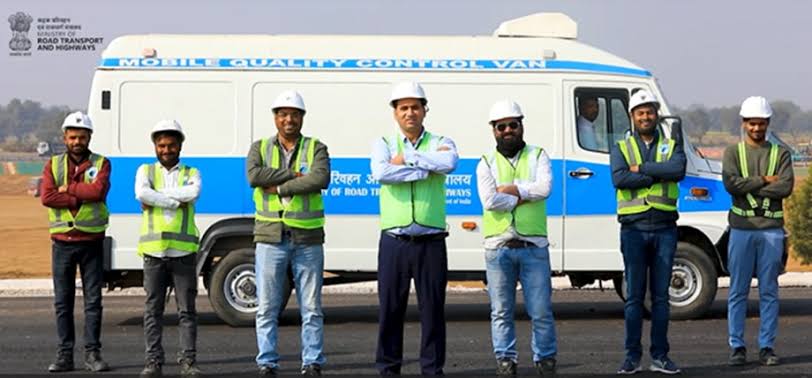
New Delhi, February 23, 2026: In a major step toward improving construction standards on National Highways, the Ministry of Road Transport and Highways (MoRTH) has launched a pilot project deploying Mobile Quality Control Vans (MQCVs). These advanced mobile laboratories are designed to monitor road construction quality in real time, ensuring highways are built with durability, safety and accountability at their core.
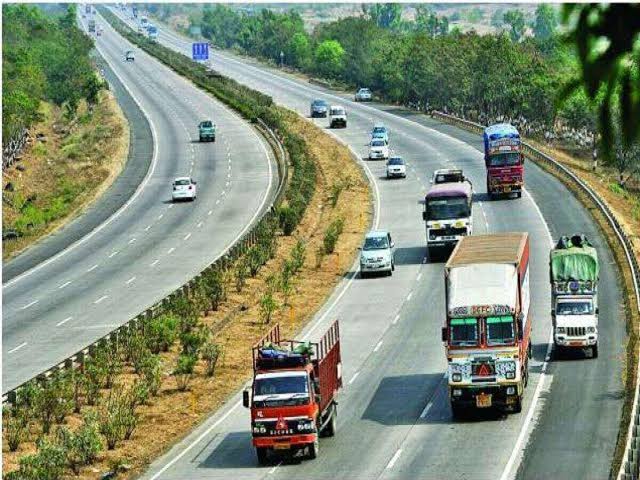

India has witnessed unprecedented highway expansion in recent years. However, the government’s focus is now shifting from simply building faster to building better. The Mobile Quality Control Van initiative reflects this transition toward data-driven monitoring and transparent oversight.
The pilot project has been implemented across Rajasthan, Gujarat, Karnataka and Odisha. Officials say the initiative aims to provide quick and scientific assessments of ongoing highway works without disrupting construction activities.
High-Tech Labs on Wheels
Each Mobile Quality Control Van functions as a fully equipped, on-the-move laboratory. These vans are fitted with advanced non-destructive testing instruments that allow engineers to evaluate structural strength and material quality without damaging the infrastructure.
Among the key tools onboard are rebound hammers, which assess the surface hardness and estimate the strength of hardened concrete. Ultrasonic Pulse Velocity meters send sound waves through concrete to detect hidden cracks, voids or inconsistencies.
Asphalt density gauges help verify proper compaction of pavement layers, ensuring long-term durability. The Light-Weight Deflectometer measures soil and sub-base stability, which is critical for sustaining heavy traffic loads over time.
Reflectometers are also used to test the visibility of road signs and lane markings, ensuring they remain readable both during the day and at night. Together, these instruments transform quality control from a reactive process into proactive, preventive monitoring.
Real-Time Monitoring and Transparency
The test results generated by the MQCVs are shared directly with MoRTH field offices. In cases where deficiencies are identified, corrective measures can be initiated promptly, reducing the risk of long-term structural issues.
To further strengthen transparency, the Ministry is developing a National Highway Quality Monitoring Portal. This digital platform will host test reports generated by the mobile vans and enable real-time GPS tracking of their movements.
The portal is expected to enhance accountability by allowing authorities to track inspections, review findings and ensure timely action. The move aligns with the government’s broader push toward technology-driven governance.
Expansion to 11 More States
Encouraged by the initial rollout, MoRTH has already planned the next phase of MQCV deployment across 11 additional states. These include Uttar Pradesh, Maharashtra, Bihar, Jharkhand, Andhra Pradesh, Telangana, Tamil Nadu, Madhya Pradesh, Chhattisgarh, Assam and Meghalaya.
Tenders for this expansion have been invited, and commissioning of the additional vans is expected by June 2026. The ministry believes the broader rollout will standardise quality monitoring across diverse geographic and climatic conditions.
Accountability at the Core
The Mobile Quality Control Van initiative marks a decisive shift in infrastructure governance. By integrating advanced diagnostics with on-ground supervision, the government aims to ensure highways are not only built rapidly but also built to last.
Experts say this model could significantly reduce premature road deterioration, lower maintenance costs and improve commuter safety.
As India’s highway network continues to expand, the focus on quality assurance through mobile testing and digital oversight signals a new era where roads are constructed with proof, not just promises.