

MoSPI has reduced timelines for releasing survey results, ensuring timely availability of data for policymakers and researchers. Annual survey results are now published within 90–120 days, quarterly results within 45–60 days, and monthly results within 15–30 days of survey completion. This improvement has been facilitated by the adoption of Computer Assisted Personal Interviewing (CAPI) and the e-SIGMA platform, which includes real-time data submission, multilingual interfaces, and AI-enabled chatbots.
The Periodic Labour Force Survey (PLFS) and Annual Survey of Unincorporated Sector Enterprises (ASUSE) have been redesigned to generate monthly, quarterly, and district-level estimates. Short-duration Comprehensive Modular Surveys (CMS) have also been introduced to meet immediate policy needs.
Major Survey Releases in 2025
During 2025, MoSPI released several key reports, including the PLFS 2024 annual report, quarterly and monthly bulletins, the Household Consumption Expenditure Survey (HCES) 2023–24, and the Time Use Survey (TUS) 2024. Other notable releases included the Annual Survey of Industries (ASI), nutritional intake data, and pilot studies on services sector enterprises and construction activities.
States have actively participated in flagship surveys, with 27 expressing willingness to join upcoming national surveys in 2026–27. This expanded participation is expected to strengthen sub-state level estimates and improve policy relevance.
Engagement and Capacity Building
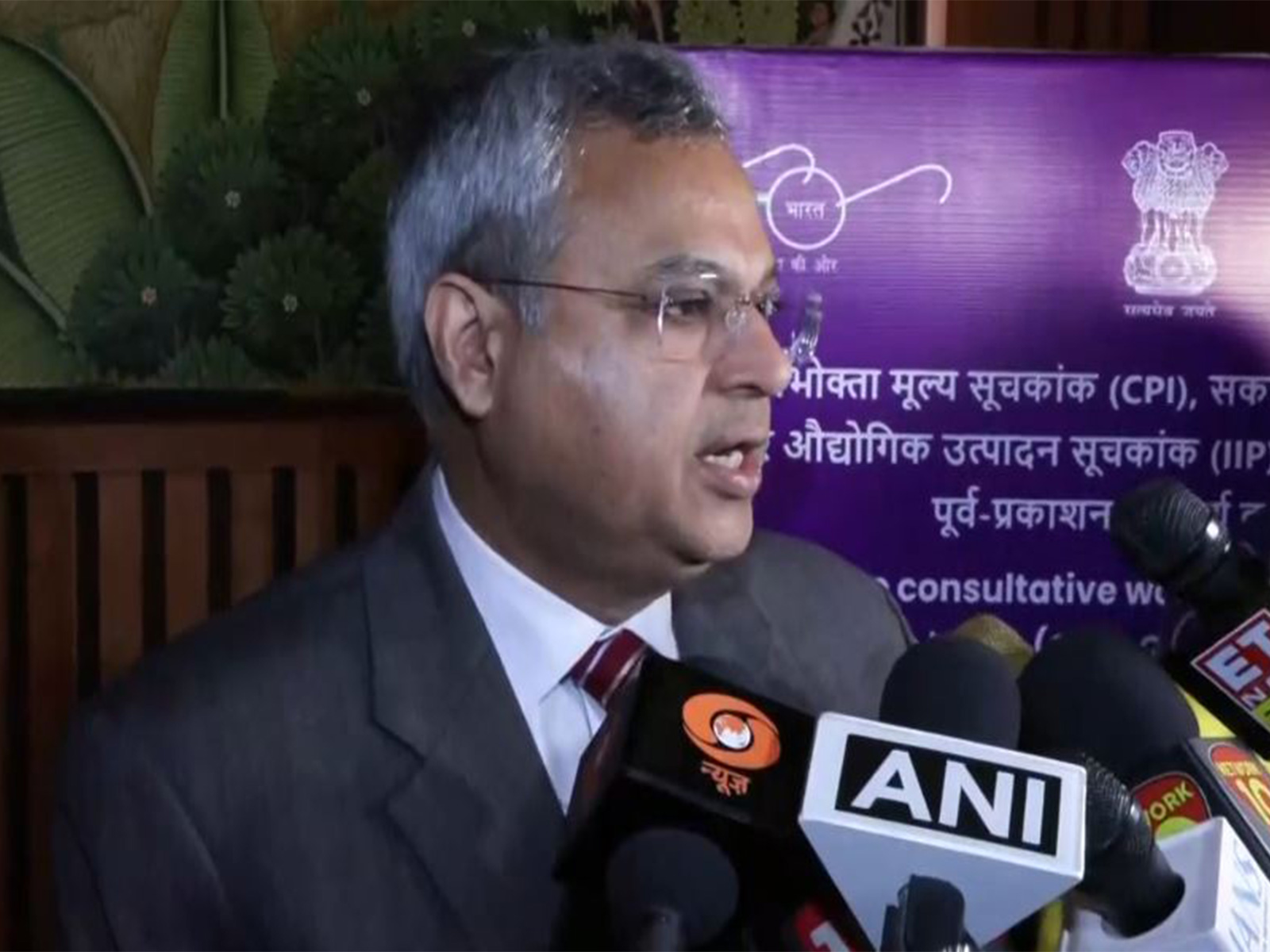
MoSPI organized multiple data user conferences, workshops, and brainstorming sessions to gather feedback and improve methodologies. These events covered topics such as informal sector estimation, knowledge economy measurement, and leveraging non-conventional data sources. The ministry also commemorated 75 years of the National Sample Survey (NSS) with year-long activities across India, including seminars, exhibitions, and awareness drives.
Base Year Revisions
MoSPI is preparing to release new series of macroeconomic indicators with updated base years. The GDP series with base year 2022–23 will be released on February 27, 2026. The CPI series with base year 2024 will be launched on February 12, 2026, while the IIP series with base year 2022–23 will be released on May 28, 2026.
These revisions incorporate improved methodologies, expanded coverage, and integration of administrative datasets such as GST, PFMS, and e-Vahan. The changes aim to provide more accurate and granular insights into India’s economy.
Digital Transformation
MoSPI has made significant strides in digital innovation. A revamped website was launched in September 2025, featuring interactive dashboards, improved accessibility, and an AI-enabled chatbot. The GoIStats mobile app, launched in June 2025, allows citizens to access official data on the go, with features such as dynamic visualizations, one-click CSV downloads, and advanced filtering.
Other initiatives include the e-Sankhyiki portal, enhanced microdata portal, and new websites for the National Statistical Commission and National Statistical Systems Training Academy. MoSPI also signed 15 MoUs with institutions and developed 12 AI use cases under its Data Innovation Lab.
Publications on Social Sector Statistics
MoSPI released several important publications in 2025, including EnviStats India 2025, Women and Men in India 2024, Environmental Accounting on Forest 2025, and Children in India 2025. These reports provide valuable insights into environment, gender, and child welfare statistics, supporting evidence-based policymaking.
Conclusion
The year-end review underscores MoSPI’s commitment to strengthening India’s statistical system through faster data dissemination, methodological improvements, and digital transformation. With upcoming base year revisions and enhanced citizen engagement tools, MoSPI is positioning itself as a leader in modern official statistics, supporting the vision of a Viksit Bharat.