 Suspension and Inquiry Ordered
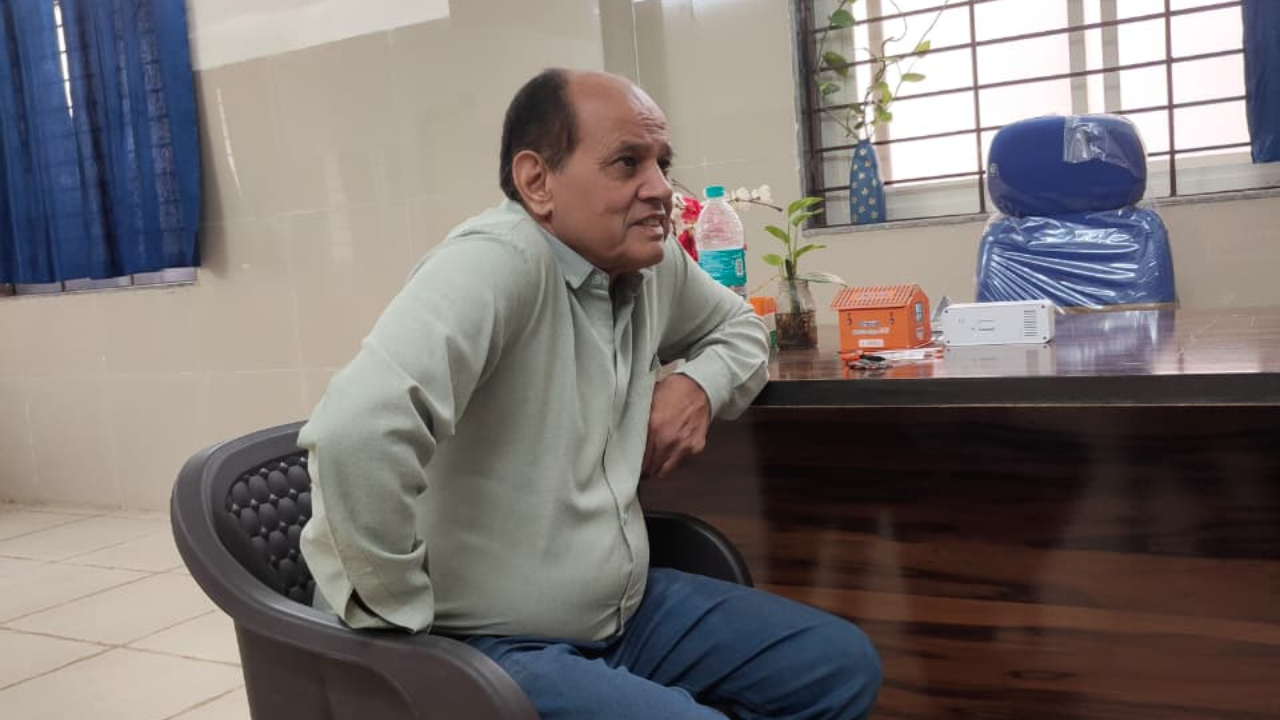
The suspension order, signed by Health Commissioner Tarun Rathi, cited “gross negligence and violation of service conduct” by Dr. Soni. It noted that he had been conducting private practice without permission and prescribed medicines that led to severe adverse reactions in infants.
According to the inquiry report, several children developed high fever, dehydration, and difficulty urinating after consuming the syrup. Post-mortem and lab reports later confirmed acute kidney injury linked to DEG poisoning.
“Had Dr. Soni examined the children carefully and ensured proper medication, their lives could have been saved,” the report stated, adding that his actions caused “irreparable harm” and tarnished the department’s reputation.
Deaths and Ongoing Investigation
Over the past month, 11 children—most under the age of five—died in Chhindwara district and neighboring areas after taking the contaminated syrup. Ten of them succumbed while being treated at Nagpur Government Medical College and Hospital, while six others remain hospitalized in critical condition.
The deceased include Shivam Rathore (4), Vidhi Namita (3), Adnan, Usaid (4), Rishika (5), Hitansh Soni (5), Chanchlesh, Vikas, Sandhya, and Yogita Thakre (2). The deaths occurred between early September and October 4, 2025.
Following the tragedy, Chief Minister Mohan Yadav announced ₹4 lakh compensation to each victim’s family and free treatment for surviving patients. “No negligence will be tolerated,” he said, promising accountability across the medical and pharmaceutical chain.
Pharma Company Under Scrutiny
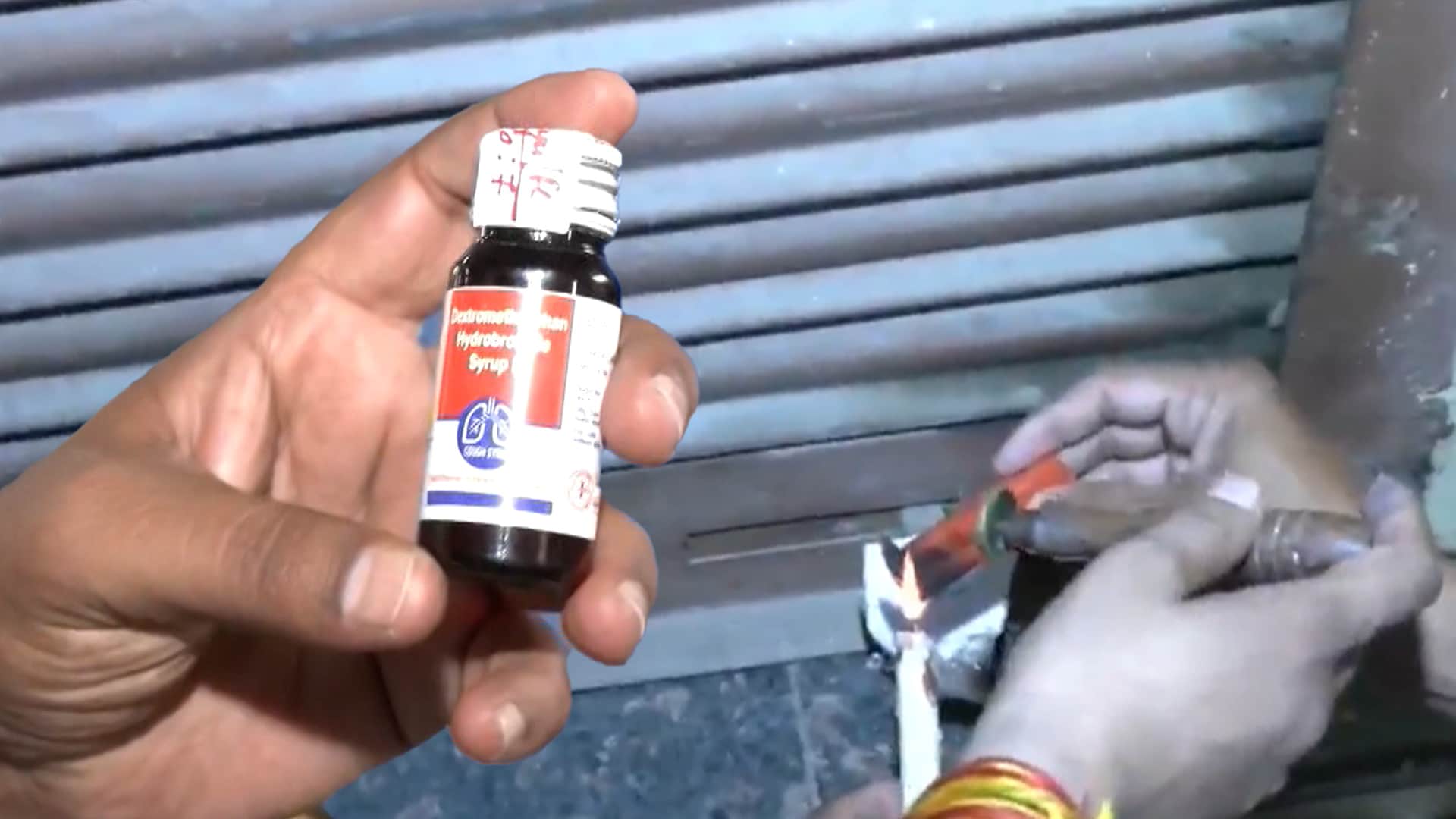
The banned cough syrup was manufactured by Sresan Pharmaceuticals, a Tamil Nadu-based company now facing criminal charges under the Bharatiya Nyaya Sanhita and the Drugs and Cosmetics Act. The FIR, registered at Parasia police station, names both Dr. Soni and the firm as accused.
Authorities have launched a multi-state crackdown, with the Central Drugs Standard Control Organisation (CDSCO) inspecting pharmaceutical units across Madhya Pradesh, Maharashtra, and Tamil Nadu. Officials are testing other batches of ColdriF syrup, antipyretics, and antibiotics for contamination.
Preliminary lab findings revealed DEG concentrations between 46.28% and 48.6% — levels far beyond permissible limits, making the syrup highly toxic and lethal for children.
Drug inspectors have been directed to seize existing stocks and suspend sales of the product across the state.
Public Outrage and Calls for Accountability
Health activists and parents of the victims have expressed outrage over the systemic failure in drug testing and regulation. Many question how a toxic medicine reached hospital shelves and remained available despite safety protocols.
Experts point out that similar tragedies involving DEG contamination have occurred in India before, including cases in Jammu (2020) and Gambia (2022), where Indian-manufactured syrups were linked to child deaths. CDSCO has since tightened its inspection processes, but lapses continue to emerge.
“This is not just a case of medical negligence; it reflects deeper issues in pharmaceutical oversight and enforcement,” said a senior public health official in Bhopal.
Next Steps
The state government has formed a three-member high-level committee to monitor the probe and submit findings within 10 days. Meanwhile, police teams are tracing the distribution network of the toxic batch to determine accountability at every stage—from production to prescription.
Families of the deceased have demanded stronger laws and stricter penalties against manufacturers and negligent medical practitioners. Civil society groups are urging the government to establish a transparent drug monitoring system to prevent future tragedies.
As the investigation widens, public confidence in the healthcare system hangs in the balance, with citizens calling for justice and reform to ensure no parent has to lose a child to medical negligence again.