
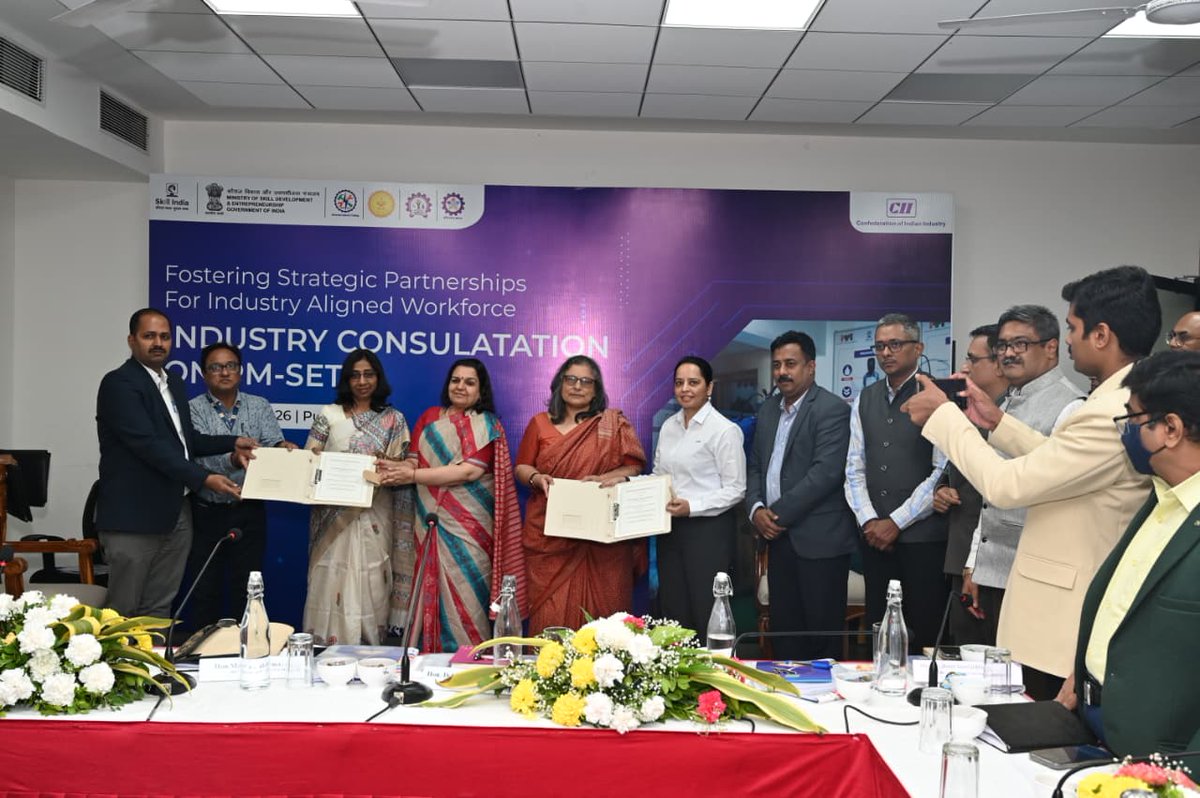
The review highlighted Rajasthan’s growing importance in India’s skill development ecosystem. With one of the largest Industrial Training Institute (ITI) networks in the country, the State is playing a major role in preparing youth for modern industries, emerging technologies, and global employment opportunities.
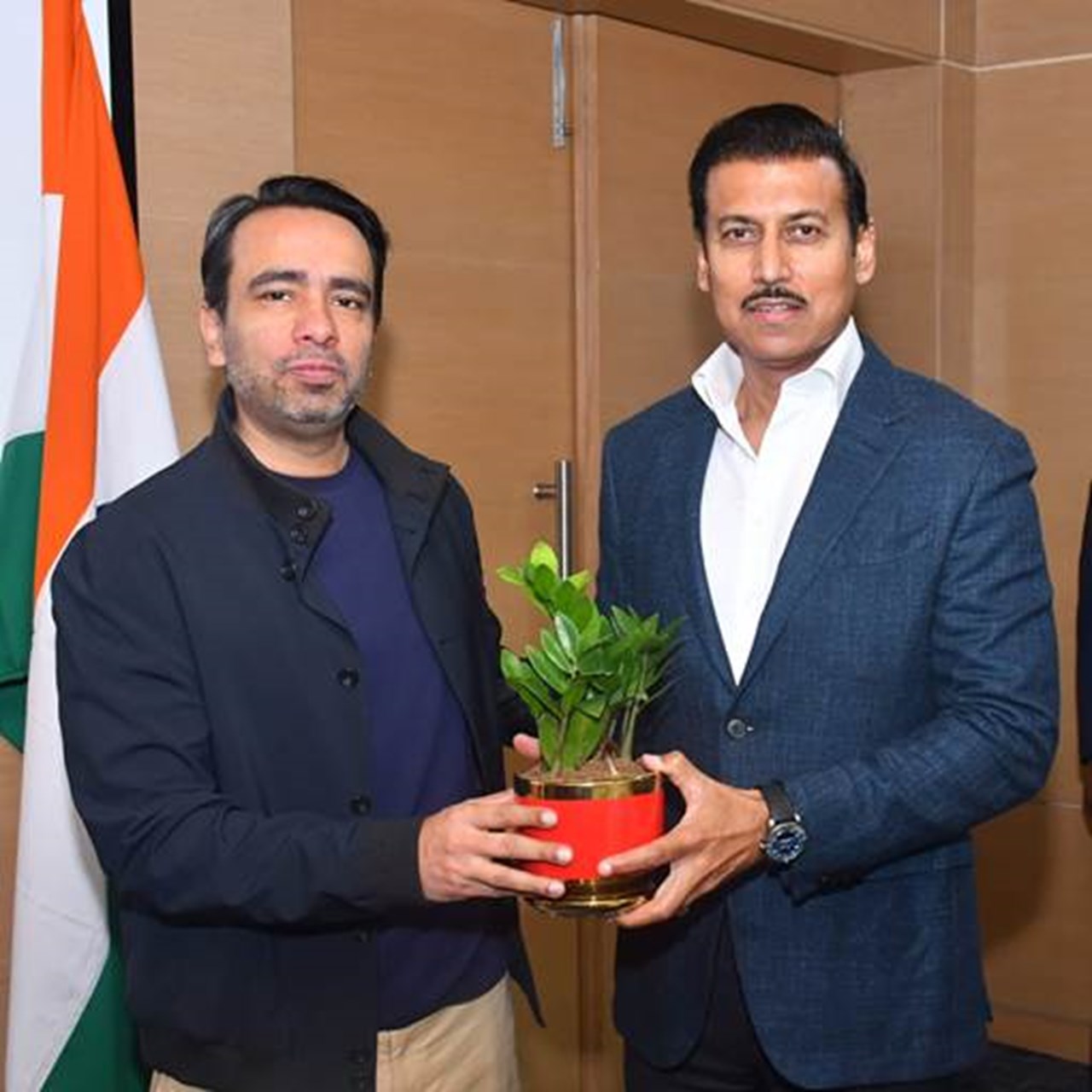

Rajasthan currently operates 1,537 ITIs, including both government and private institutions, making it one of India’s largest training ecosystems. This expansive infrastructure has enabled the State to train lakhs of young people under major national programmes.
Under the Pradhan Mantri Kaushal Vikas Yojana (PMKVY) 4.0, more than 3.14 lakh candidates have undergone training or orientation. Of these, over 2.50 lakh have successfully received certification, reflecting strong participation and completion rates.
Apprenticeship programmes have also gained significant traction. The National Apprenticeship Promotion Scheme (NAPS) has facilitated over 1.04 lakh apprentices across more than 1,200 establishments in Rajasthan. The government has disbursed nearly ₹25 crore through Direct Benefit Transfer, helping both trainees and industries benefit from structured skill-building opportunities.
PM-SETU to Transform ITIs and Future Skills Training
A major focus of the review was the implementation of the PM Skilling and Employability Transformation through Upgraded ITIs (PM-SETU) scheme. With a national investment of ₹60,000 crore, PM-SETU aims to modernise 1,000 ITIs and train 20 lakh youth in emerging and industry-relevant trades.
Rajasthan has identified several districts, including Jaipur, Jodhpur, Kota, Bharatpur, Bikaner, and Banswara, for the hub-and-spoke model under PM-SETU. This approach ensures training programmes are closely aligned with regional industry needs, increasing the likelihood of employment after training.
The initiative is expected to strengthen skill development in sectors such as electronics, electric vehicle servicing, petrochemicals, handicrafts, and digital technologies, helping Rajasthan’s workforce meet both domestic and international demand.
International Skilling Centres to Open Global Opportunities
Another major highlight was the proposal to establish Skill India International Centres in Jaipur and Bharatpur. These centres will prepare youth for overseas employment by providing specialised training aligned with global job market requirements.
The initiative aims to create structured pathways for international workforce mobility, ensuring Indian youth can compete globally while contributing to India’s reputation as a source of skilled talent.
The meeting also reviewed plans to establish a National Skill Training Institute in Bharatpur and upgrade existing institutes in Jaipur and Jodhpur. These upgrades will enhance training quality, infrastructure, and technical capabilities.
Government Emphasises Quality and Industry Partnerships


Union Minister Jayant Chaudhary emphasised that Rajasthan’s scale and infrastructure place it at the forefront of India’s skill development transformation. He noted that the next phase must focus on improving quality, strengthening industry partnerships, and ensuring measurable employment outcomes.
He highlighted the importance of aligning training programmes with future-ready skills, including digital technologies and electronics, while continuing to support traditional sectors such as handicrafts under initiatives like PM Vishwakarma.
Rajasthan Industry Minister Rajyavardhan Rathore reaffirmed the State government’s commitment to accelerating reforms. He assured full support for infrastructure expansion, land allocation, and programme implementation to strengthen skill development across the State.
Strong Progress Under Multiple Skill Development Schemes
In addition to apprenticeship and ITI programmes, Rajasthan has achieved significant progress under PM Vishwakarma, with over 2.51 lakh artisans assessed under the scheme. Jan Shikshan Sansthans operating in nine districts have also trained thousands of candidates, with strong certification outcomes.
These programmes are helping create a skilled workforce in sectors such as automotive manufacturing, electronics, handicrafts, and export-oriented industries.
The review also emphasised the importance of improving governance frameworks, strengthening monitoring systems, and accelerating pending approvals to ensure timely implementation.
Building a Future-Ready Workforce for India
The meeting concluded with both the Centre and Rajasthan agreeing to fast-track initiatives and deepen collaboration to strengthen India’s skilling ecosystem. The focus remains on ensuring that skill development programmes translate into real employment opportunities.
By investing in modern training infrastructure, expanding apprenticeship programmes, and creating global skilling pathways, Rajasthan is emerging as a key contributor to India’s workforce transformation.
These initiatives align with India’s broader goal of building a globally competitive workforce and positioning the country as a leader in skill development and employment generation.