
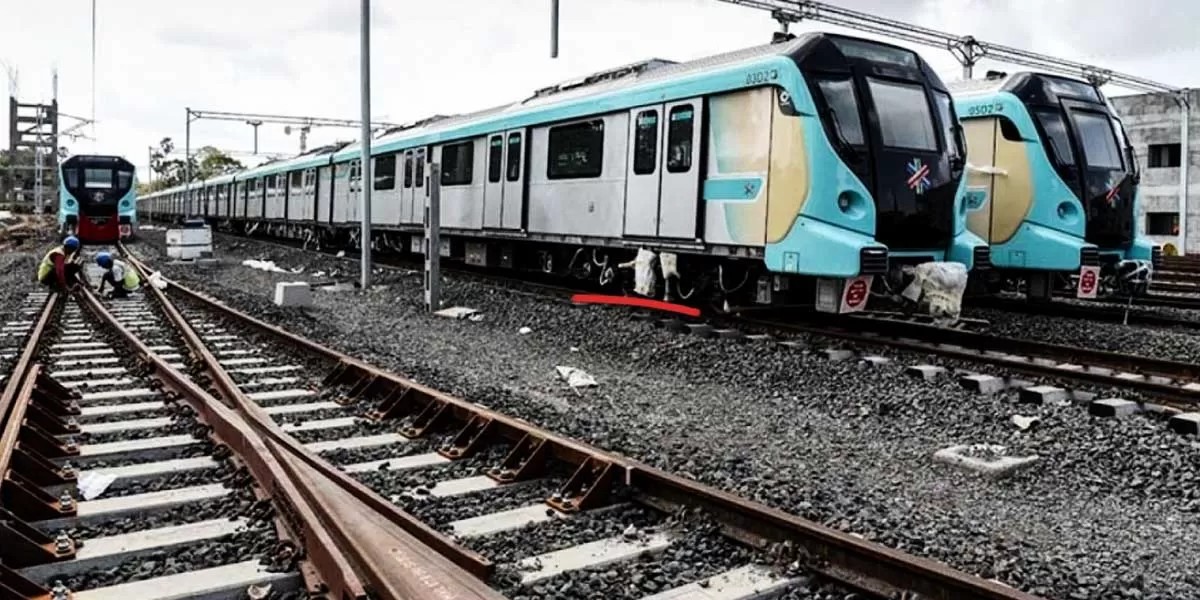
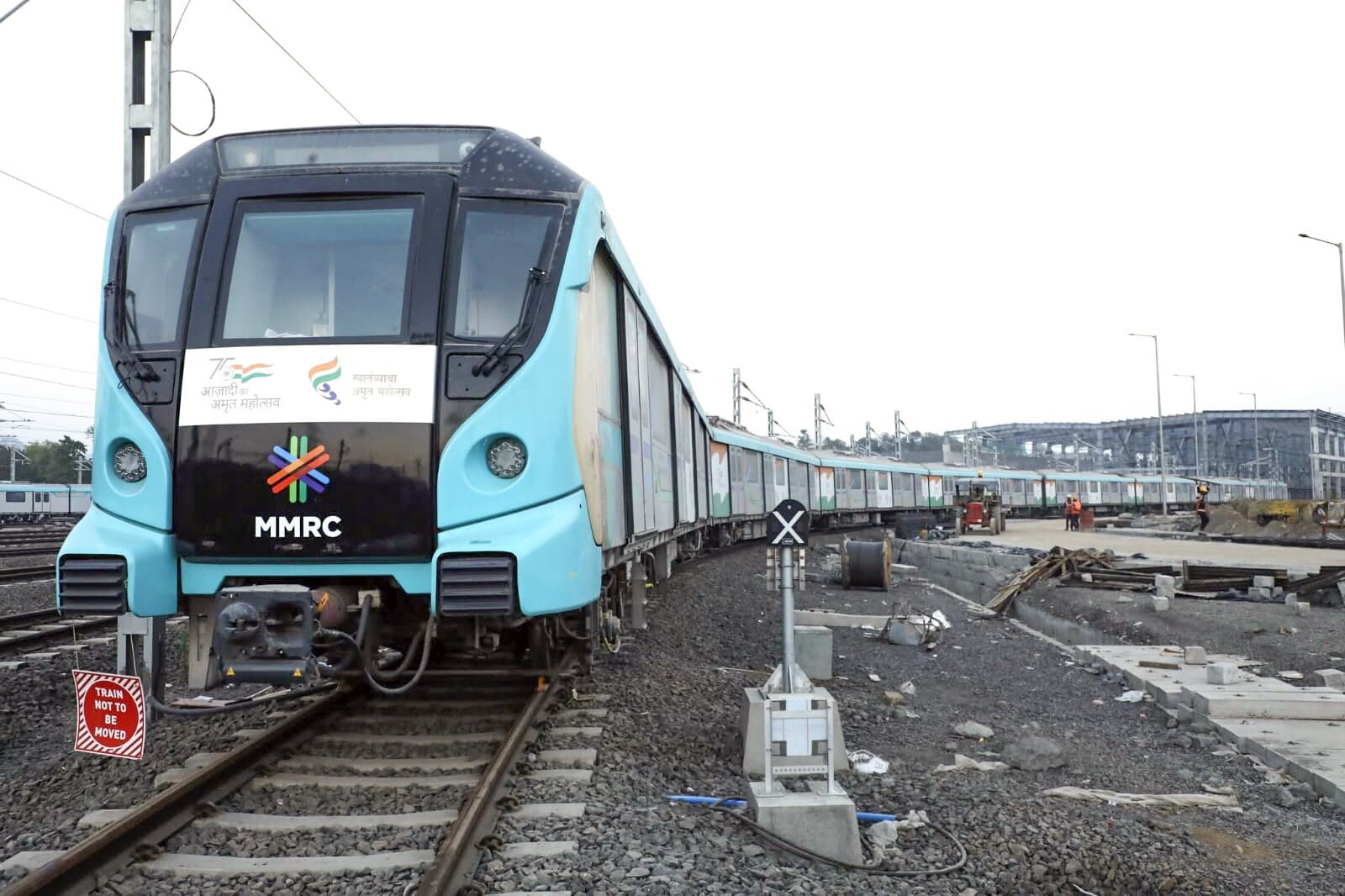

The estimated cost of the Mumbai–Navi Mumbai airport metro project is ₹22,862 crore, according to a statement issued by the Chief Minister’s Office. This figure is higher than the earlier estimate of around ₹18,000 crore shared during preliminary discussions.
The metro line will be developed under a public-private partnership (PPP) model. Both the state and the Union government will provide 20 per cent each as viability gap funding, while the remaining 60 per cent of the investment will be brought in by the private concessionaire.
Route Length and Construction Details
Of the total corridor length, nearly 9 kilometres will be underground, while the remaining stretch will be elevated. The project is expected to include six underground stations and 14 elevated stations along the route.
While the official construction timeline is estimated at five years, Chief Minister Fadnavis has instructed agencies to aim for completion within three and a half years to ensure faster public benefit.
Stations Planned Along the Corridor
The 20 stations planned on Metro Line Eight include major transport and commercial hubs such as Chhatrapati Shivaji Maharaj International Airport Terminal 2, Kurla, Lokmanya Tilak Terminus, Mankhurd, Vashi, Nerul, Seawoods, and Navi Mumbai International Airport terminals.
The alignment is designed to intersect with at least three other metro corridors and connect seamlessly with suburban rail networks, bus terminals, and long-distance rail services.
Boost for Airport Connectivity
Currently, road travel between the two airports takes anywhere between 70 and 90 minutes, depending on traffic conditions. The new metro corridor is expected to significantly cut travel time for transit passengers, airline crew, cargo operators, and outstation travellers.
The corridor will also provide direct metro access to Lokmanya Tilak Terminus, making it easier for passengers arriving by long-distance trains to reach either airport.
Implementation and Ridership Projections
The project will be implemented by the City and Industrial Development Corporation (CIDCO) in partnership with a private consortium. CIDCO had submitted the detailed project report to the state government after securing clearances from the urban development and finance departments.
According to projections, the metro line is expected to carry around 10.3 lakh passengers ежедневно by 2031, reflecting strong demand driven by airport traffic and intercity commuting.
Strategic Importance for Mumbai Region
The Mumbai–Navi Mumbai airport metro is seen as a critical infrastructure project supporting the long-term growth of the Mumbai Metropolitan Region. With Navi Mumbai International Airport set to handle a large share of future air traffic, seamless rail connectivity is expected to reduce congestion and improve urban mobility.