
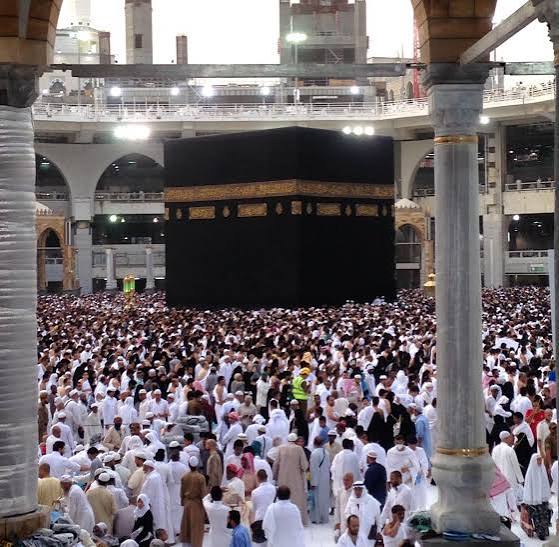
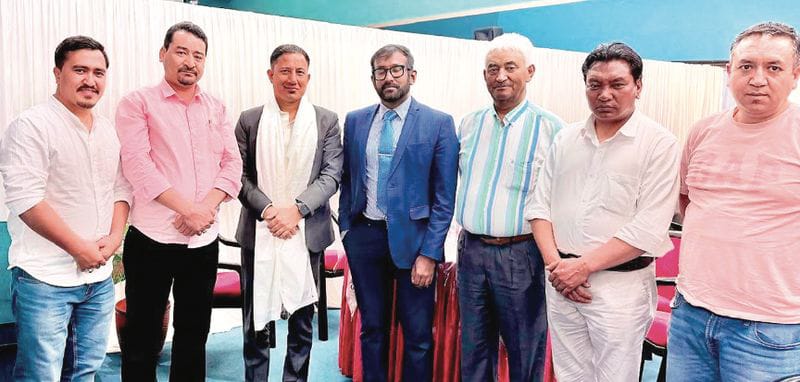

Addressing the inaugural session, Dr. Chandra Shekhar Kumar, Secretary, Ministry of Minority Affairs, highlighted the vital responsibility shouldered by State Haj Inspectors. He stated that SHIs play a central role in ensuring that pilgrims experience a safe, organised, and dignified Haj.
Urging inspectors to remain patient and vigilant, he emphasised the importance of maintaining a service-oriented and humane approach while assisting pilgrims in Saudi Arabia. He noted that the conduct and responsiveness of SHIs directly influence the well-being and satisfaction of Indian Hajis.
Operational Coordination and Digital Monitoring
The session was also addressed by Shri Sahnavas C, Chief Executive Officer of the Haj Committee of India, who elaborated on operational coordination with multiple stakeholders involved in Haj management. He stressed the importance of seamless collaboration to ensure timely services related to accommodation, transport, and pilgrim movement.
Shri Nazeem Ahmed, Director (Haj), Ministry of Minority Affairs, briefed participants on administrative procedures, standard operating protocols, and grievance redressal mechanisms. He underlined the role of digital platforms in real-time monitoring and efficient issue resolution.
Focus on Health, Safety and Emergency Response
Health and safety preparedness formed a key component of the training programme. Dr. L. Swasthicharan, Deputy Director General, Ministry of Health and Family Welfare, sensitised inspectors on public health challenges during Haj, preventive care, and coordination with medical teams.
Inspectors were briefed on emergency response protocols, disease prevention, and crowd-related health risks, ensuring they are well-prepared to support pilgrims in critical situations.
Strengthening Readiness for Haj 2026
The programme includes detailed modules on pilgrim facilitation, accommodation and transport management, coordination with Saudi authorities, and effective communication strategies. Interactive discussions aim to share best practices and address region-specific challenges faced during previous Haj seasons.
The two-day training will conclude on January 25 with interactive sessions and experience-sharing exercises, further strengthening the preparedness of State Haj Inspectors for the forthcoming Haj pilgrimage.