 Restricted polls amid civil war
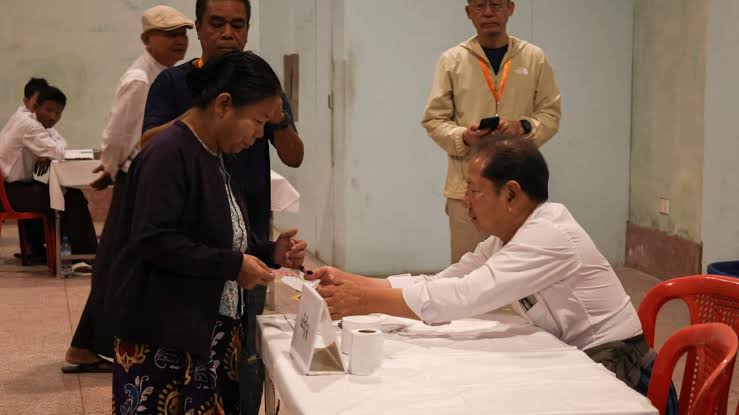
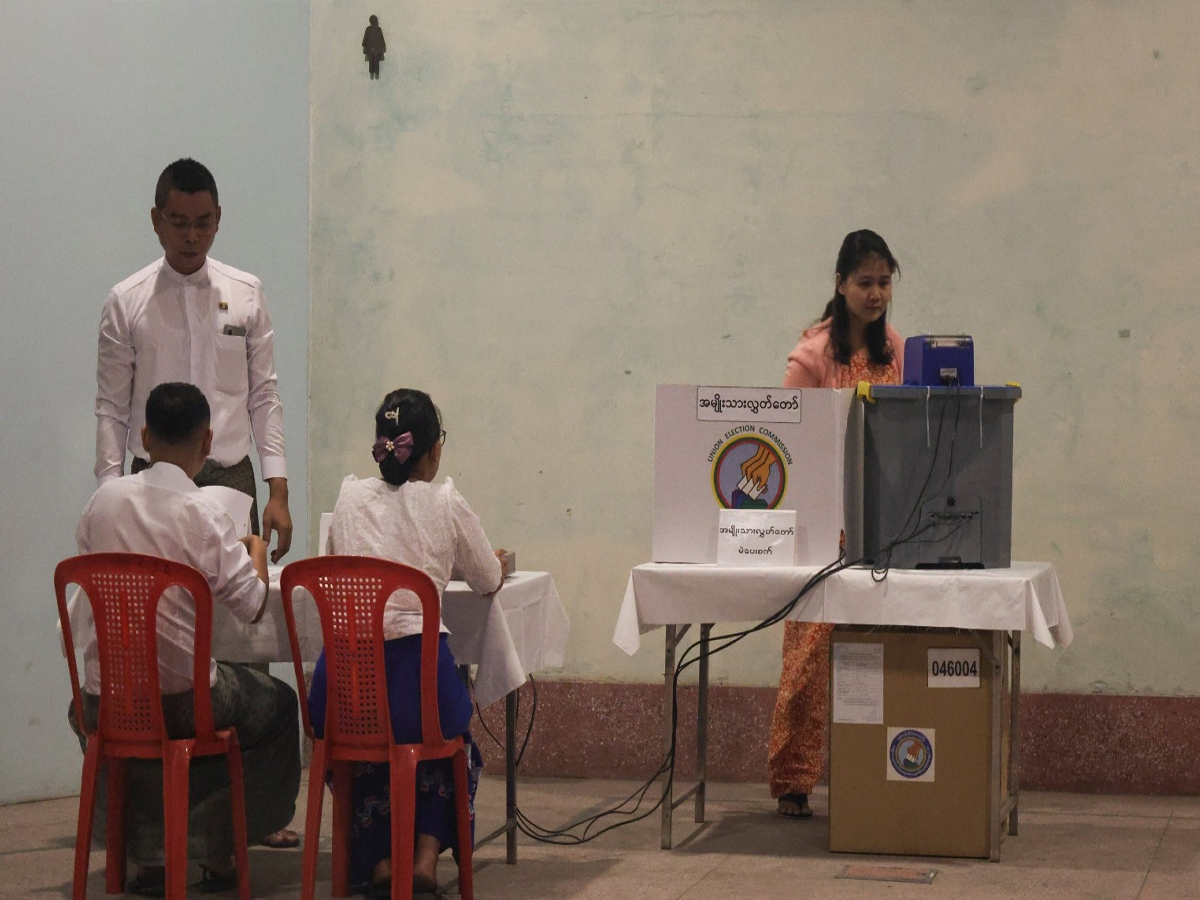
Polling stations opened at 6 am local time in major cities such as Yangon and the capital Naypyidaw. While officials reported a steady flow of voters in some urban areas, journalists on the ground observed limited participation, particularly among young people. Most of the political parties contesting the election are aligned with or backed by the military.
The junta has planned the election in three phases, with additional rounds scheduled for January 11 and January 25, 2026. However, authorities have not announced when votes will be counted or when results will be declared, adding to concerns about transparency.
Opposition barred, Suu Kyi detained
Aung San Suu Kyi, the Nobel Peace Prize laureate whose National League for Democracy won a landslide victory in the 2020 elections, remains in detention. Her party has been dissolved under military rule, effectively removing the most popular civilian political force from the electoral process.
The pro-military Union Solidarity and Development Party (USDP) is widely expected to dominate the outcome. Analysts say the absence of genuine opposition has turned the election into a controlled exercise rather than a competitive democratic contest.
Global criticism and humanitarian crisis
The United Nations has warned that the conditions necessary for free and fair elections do not exist in Myanmar. UN Human Rights Chief Volker Turk has said that repression, restrictions on free expression and widespread violence prevent meaningful public participation.
Since the 2021 coup, Myanmar has been engulfed in a brutal civil war that has killed an estimated 90,000 people and displaced around 3.5 million. More than 22 million people are in need of humanitarian assistance, according to international agencies.
Human rights groups estimate that over 22,000 political prisoners remain behind bars, further underscoring the climate of fear in which the election is being held.
Junta defends vote as “new beginning”
Military leaders have defended the election as a necessary step toward political stability and economic recovery. Senior General Min Aung Hlaing, who cast his vote in Naypyidaw, has repeatedly portrayed the polls as a pathway to national reconciliation.
State-run media has claimed the election will help Myanmar move beyond years of conflict and crisis. However, international observers argue that any government emerging from the process is unlikely to gain broad recognition.
Uncertain future ahead
Political analysts warn that the election is unlikely to ease Myanmar’s deep political crisis. Instead, it may further entrench military rule and harden divisions within the country. A new administration is expected to take office in April 2026, but it will face immense challenges amid ongoing resistance and economic collapse.
With fighting continuing across much of the country and large populations excluded from voting, Sunday’s polls highlight Myanmar’s fragile and uncertain path forward, raising questions about whether stability can be achieved without inclusive dialogue and genuine democratic reform.