
Naag Panchami 2025: Why Hindus Worship Snakes
Naag Panchami is more than just a ritual. It’s a sacred tradition rooted in nature, mythology, and deep spiritual meaning. In 2025, this revered Hindu festival will be celebrated on July 29.
But why do Hindus worship snakes, especially cobras, on this day? Let’s explore the beliefs, rituals, and modern perspectives surrounding Naag Panchami 2025.


Naag Panchami falls on the fifth day of the bright fortnight of the Shravan month. This monsoon-time festival is celebrated in many parts of India, especially in rural regions where snakes are commonly seen near farmlands and water bodies.
It is a day dedicated to the worship of snakes, who are regarded as divine beings in Hindu mythology.
Snakes in Hindu Mythology
In Hindu tradition, snakes are not feared — they are revered. One of the most well-known images is that of Lord Shiva with the mighty serpent Vasuki coiled around his neck. Vasuki represents control over death and fear.
Another legendary serpent is Sheshnag — the thousand-headed divine snake who forms the resting bed of Lord Vishnu. These divine associations elevate snakes to symbols of eternity, rebirth, and cosmic balance.
Why Are Snakes Worshipped?
There are multiple layers of meaning to this practice. First, in many agrarian societies, snakes play a crucial role in controlling pests. Their presence near homes and farms sparked fear and reverence alike.
People began offering milk and prayers, not out of superstition, but as a gesture of coexistence and protection. Worshipping snakes was believed to prevent bites and bring harmony with nature.
Additionally, since snakes are seen more during the rainy season, Naag Panchami became a spiritual reminder to respect these creatures and their natural habitat.
Rituals of Naag Panchami 2025
Across India, the rituals vary — but the devotion remains the same.
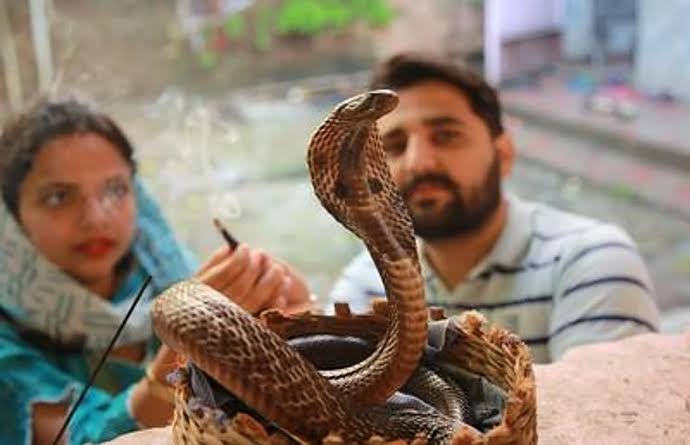
- In many villages, snake charmers bring live cobras to temples.
- Devotees offer milk, flowers, turmeric, and sweets.
- In urban areas, people worship clay or metal idols of snakes instead.
- In Maharashtra, snake images are drawn on walls using red mud and rice paste.
- In South India, temples of Nagaraja and Subramanya Swamy attract special prayers.
Women often play a central role in these ceremonies. Many fast and pray for the well-being of their families, especially brothers and children.
The Milk Offering Debate
Traditionally, devotees offer milk to live snakes. However, this practice is now under scrutiny. Experts and animal rights groups argue that snakes — being carnivores — do not digest milk naturally.
Feeding milk can even harm them. This has led to a rise in eco-friendly practices, like worshipping symbolic idols and offering milk at temples instead of to live animals.
Organizations like People for Animals (PFA) and the Wildlife Trust of India have encouraged safer rituals that protect snakes and honor tradition.
Scientific and Environmental Relevance
Naag Panchami also has a practical purpose. During monsoon, snake sightings increase. The festival helps spread awareness about being cautious in such seasons.
It also promotes compassion. By praying to snakes, communities are reminded to respect every living creature’s role in the ecosystem — a deeply sustainable message.
Modern Transformations
While the core values remain intact, the way Naag Panchami is celebrated has changed. Many temples now discourage bringing live snakes. Instead, they encourage symbolic worship.
Families draw snake symbols at their doorsteps. Devotees sing folk songs and perform dances, keeping the tradition alive in meaningful and modern ways.
Global Significance
Naag Panchami is not limited to India. Nepal, parts of Sri Lanka, and even Bali in Indonesia observe similar festivals. The underlying message is universal — respect for nature and its creatures.
As India progresses technologically, these ancient festivals remind us of our deep-rooted cultural wisdom and ecological consciousness.
Key Takeaways for Naag Panchami 2025
- Date: July 29, 2025 (Shravan Shukla Panchami)
- Region: Widely celebrated across India, especially in rural areas
- Tradition: Worship of snakes, especially cobras, with offerings and prayers
- Modern Practice: Eco-friendly rituals, symbolic worship, and public awareness
This Naag Panchami, whether you follow the tradition at home or participate in temple ceremonies, remember the true essence — coexistence, reverence, and harmony with nature.