 Consumption surge driven by real purchasing power
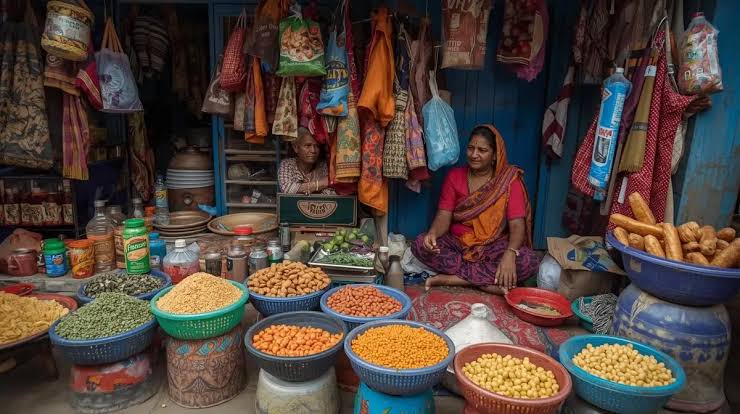
The RECSS highlights a clear consumption boom: households now spend an average of 67.3% of monthly income on consumption the highest share recorded since the survey began. This rise in real purchasing power coincides with policy adjustments such as GST rationalisation, and it reflects more sustained, not episodic, demand across rural areas.
Survey respondents indicate that consumption growth is broad-based across essential and discretionary categories, which bodes well for local markets and rural supply chains.
Incomes rebound and optimism about the year ahead
Income growth registered its strongest performance to date under RECSS, with 42.2% of households reporting higher incomes over the past year. Only 15.7% reported a decline, the lowest proportion across survey rounds. Looking ahead, sentiment is upbeat: 75.9% of households expect incomes to rise in the coming year, marking record optimism since RECSS began in September 2024.
This combination of realised income gains and positive expectations underpins rising consumer confidence in rural India.
Investment and credit trends point to healthier finances
Capital formation in villages is also on the upswing. About 29.3% of households reported increased capital investment the highest level seen across the RECSS rounds. Investments span farm machinery, irrigation, livestock and non-farm enterprises, suggesting a revival of productive asset creation rather than solely consumption-driven activity.
Formal credit penetration has improved substantially: 58.3% of rural households relied exclusively on formal sources of credit, up from 48.7% in September 2024. While informal borrowing still accounts for roughly 20% of credit use, the shift toward formal finance signals greater financial inclusion and access to institutional lending channels.
Welfare transfers stabilise demand without dependency
Government transfers continue to support rural incomes: on average, welfare benefits — including subsidised food, LPG, electricity, fertilizers, pensions and school assistance constitute about 10% of monthly household income. For a subset of households these transfers exceed 20%, proving critical to consumption stability and resilience, particularly for vulnerable groups.
Inflation perceptions fall, easing real incomes
Perceived inflation moderated to an average of 3.77% the lowest since the survey started. Eighty-four percent of respondents view inflation at or below 5%, and nearly 90% expect near-term inflation to remain sub-5%. Falling price pressure has amplified real income gains and helped sustain demand for goods and services.
Loan repayment burden eases; infrastructure ratings improve
Survey data show a decline in the share of income devoted to loan repayment, reflecting lower interest costs and improved liquidity. Households also report rising satisfaction with rural infrastructure: roads, education and electricity receive the highest endorsements, followed by drinking water and health services all seen as supporting longer-term wellbeing and market access.
What RECSS reveals and why it matters
RECSS’s sustained, high-frequency sampling provides policymakers and market participants with early and granular signals on rural demand, liquidity and investment. The current round shows a durable recovery across consumption, incomes, investment and formal credit access an encouraging combination that can feed into rural growth multipliers and strengthen urban–rural linkages.
Nevertheless, challenges remain: informal credit use persists in pockets, and continued focus on infrastructure, last-mile finance access and targeted welfare can cement the gains. NABARD’s survey accessible through NABARD’s official communications offers a timely evidence base for interventions aimed at sustaining rural momentum.