
Digitization and Archival Preservation
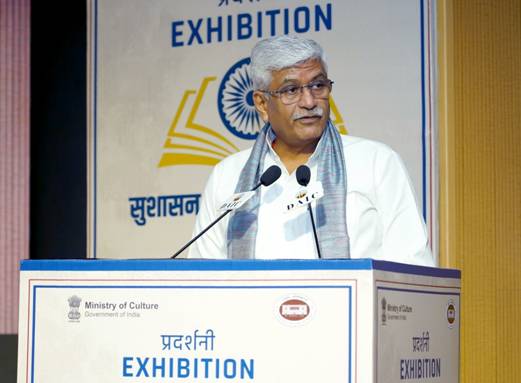
Shri Shekhawat praised the NAI for executing one of the world’s largest digitization projects, with over 15 crore pages digitized so far. Between 2021 and 2025, more than 75,500 historically significant documents were reviewed and transferred to the National Archives, strengthening India’s record-keeping systems and preserving vital public information for posterity.


The exhibition features a curated collection of rare records reflecting India’s commitment to transparency, accountability, and administrative efficiency. Highlights include contributions from ministries such as Power, Railways, External Affairs, and Parliamentary Affairs, showcasing initiatives like the introduction of Electronic Voting Machines (EVMs), elevation of General S.H.F.J. Manekshaw to Field Marshal, and Ministry of Home Affairs projects on Panchayati Raj and Vijay Diwas celebrations.
Honouring Visionary Leaders
The exhibition pays tribute to Shri Atal Bihari Vajpayee and Dr. A.P.J. Abdul Kalam, emphasizing their enduring legacies in governance, technology, and national development. Archival photographs and documents highlight their contributions to inclusive growth, youth empowerment, and infrastructure advancement.
Institutional Significance
Established in 1891, the NAI houses over 34 crore pages of public records, including manuscripts, treaties, legislative documents, and administrative reports. Shri Sanjay Rastogi, Director General of NAI, along with Shri Vivek Aggarwal, Secretary of the Ministry of Culture, and Shri V. Srinivas, Secretary of the Department of Administrative Reforms & Public Grievances, highlighted modernization efforts, public outreach, and collaboration with state and international archives.
Linking Governance and Documentation
Through “Sushasan aur Abhilekh 2025,” the NAI reinforces the essential link between archival preservation and effective governance. The showcased records provide insights into India’s administrative evolution, from electoral and judicial reforms to infrastructural and policy advancements, underscoring the importance of documentation in maintaining transparency, accountability, and informed decision-making.