
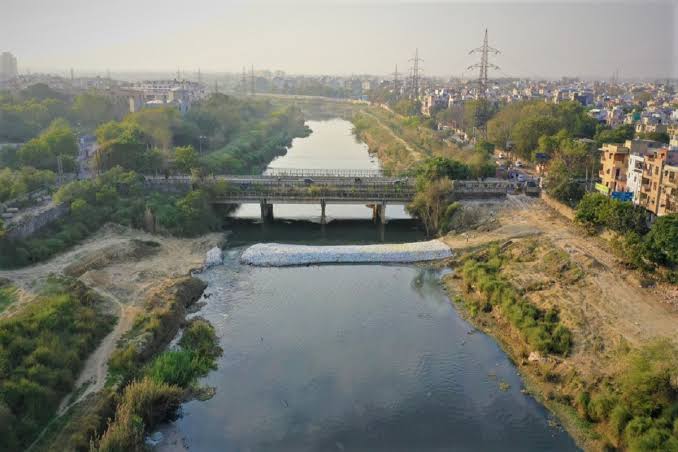
In a heartening development for environmental conservation and river rejuvenation, the Namami Gange Mission 2.0 has marked a major milestone with the successful completion of seven crucial sewerage infrastructure projects during the second half of the financial year 2024–25. Spread across Uttar Pradesh, Bihar, and Delhi, these initiatives are a strong step forward in the collective mission to restore the health of India’s sacred rivers and improve urban sanitation. With these new additions, the total treatment capacity under the Namami Gange Program now stands at an impressive 3722 million litres per day (MLD), with 157 sewage treatment plants (STPs) commissioned so far.
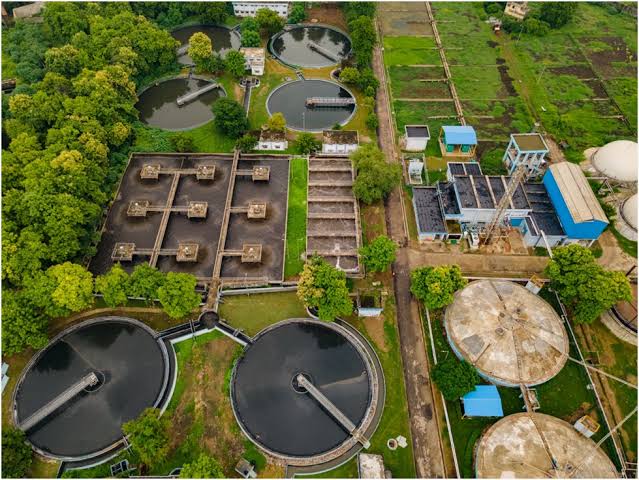

Further contributing to this progress, a 32.50 MLD STP has been set up in Muzaffarnagar at a cost of ₹234 crore. This project will aid in cleansing the Kali West and Hindon rivers, improving the region’s ecosystem and public health standards. These Uttar Pradesh projects have been implemented under the Hybrid Annuity Model, ensuring both efficiency and long-term environmental impact.
In Bihar, the towns of Bakhtiyarpur, Fatuha, and Phulwari Sharif have received much-needed infrastructural support with the commissioning of 10 MLD, 7 MLD, and 6 MLD STPs respectively. Built under the Design-Build-Operate-Transfer (DBOT) model, these projects amounting to over ₹166 crore collectively, aim to revitalize stretches of the Ganga heavily burdened by pollution and unmanaged waste.
Perhaps the most ambitious among these accomplishments is the new STP in Delhi. With a staggering capacity of 564 MLD and a cost of ₹666 crore, this facility is now Asia’s largest of its kind. Equipped with modern A2O (Anaerobic-Anoxic-Oxic) technology and in adherence with National Green Tribunal norms, this project sets a new benchmark in wastewater treatment and is a cornerstone in the effort to revive the Yamuna River.
Adding to these achievements, eight similar projects were completed in the first half of the fiscal year in Patna-Danapur, Patna Maner, Kairana, Lucknow, Munger, Mirzapur, Ghazipur, and Bareilly. Altogether, the financial year 2024–25 has seen the successful completion of 15 major initiatives, representing a combined investment of ₹3,184 crore.
Each project stands as a symbol of hope—not just for the rivers but for the communities that depend on them. They reflect a commitment to long-term sustainability, public health, and the deep cultural and spiritual connection India has with its rivers. As the Namami Gange Mission continues to gather momentum, these efforts echo a broader national aspiration: clean rivers, healthy cities, and a greener future for generations to come.