
Therapy: Nano-Cups That Blaze Tumors
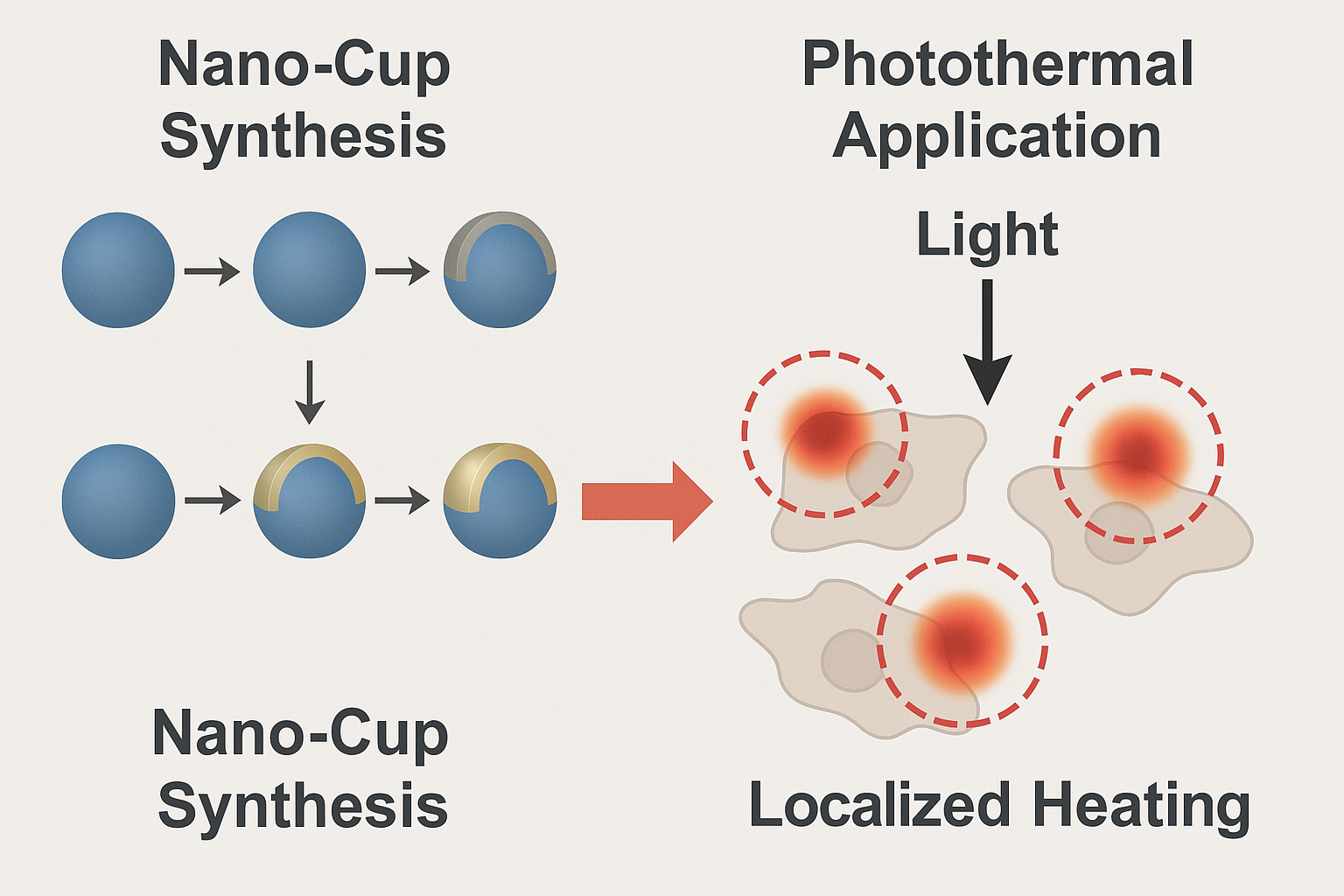
In a major leap for cancer treatment research, Indian scientists have developed a simplified one-step synthesis method to create nano-cups, a type of semi-shell nanoparticle designed to kill cancer cells using heat. This innovative technique could transform photothermal therapy (PTT) for advanced cancers by making it safer, cheaper, and far more effective.

Until now, producing semi-shell (SS) nanoparticles with nano-cup morphology required multi-step processes, toxic chemicals like hydrofluoric acid, and high temperatures. These methods not only posed environmental and safety risks but also lacked reproducibility and biocompatibility.
However, researchers from the Institute of Nano Science and Technology (INST), Mohali, in collaboration with ACTREC-Tata Memorial Centre and IIT Bombay, have found a one-step colloidal synthesis method that avoids these challenges entirely.
A Simple, Safe, One-Step Process at Room Temperature
The new process uses a biocompatible metal-organic framework (MOF) called ZIF-8 as a sacrificial template, etched with ascorbic acid (Vitamin C) room temperature. This eliminates the need for special equipment or harsh chemicals. Simultaneously, gold nanoparticles are grown to form the nano-cup, giving it strong absorption in the near-infrared (NIR) window—perfect for photothermal therapy.
The researchers published their findings in Communications Chemistry, a journal under the Nature group.
Why Polyethylene Glycol (PEG) Coating Matters
The semi-shells are coated with polyethylene glycol (PEG) to enhance their:
Blood compatibility
Cryo-preservation
Aqueous stability
Systemic safety
This PEGylation ensures long shelf life, easy intravenous administration, and prevents unwanted immune responses.
Preclinical Trials Show Stunning Results
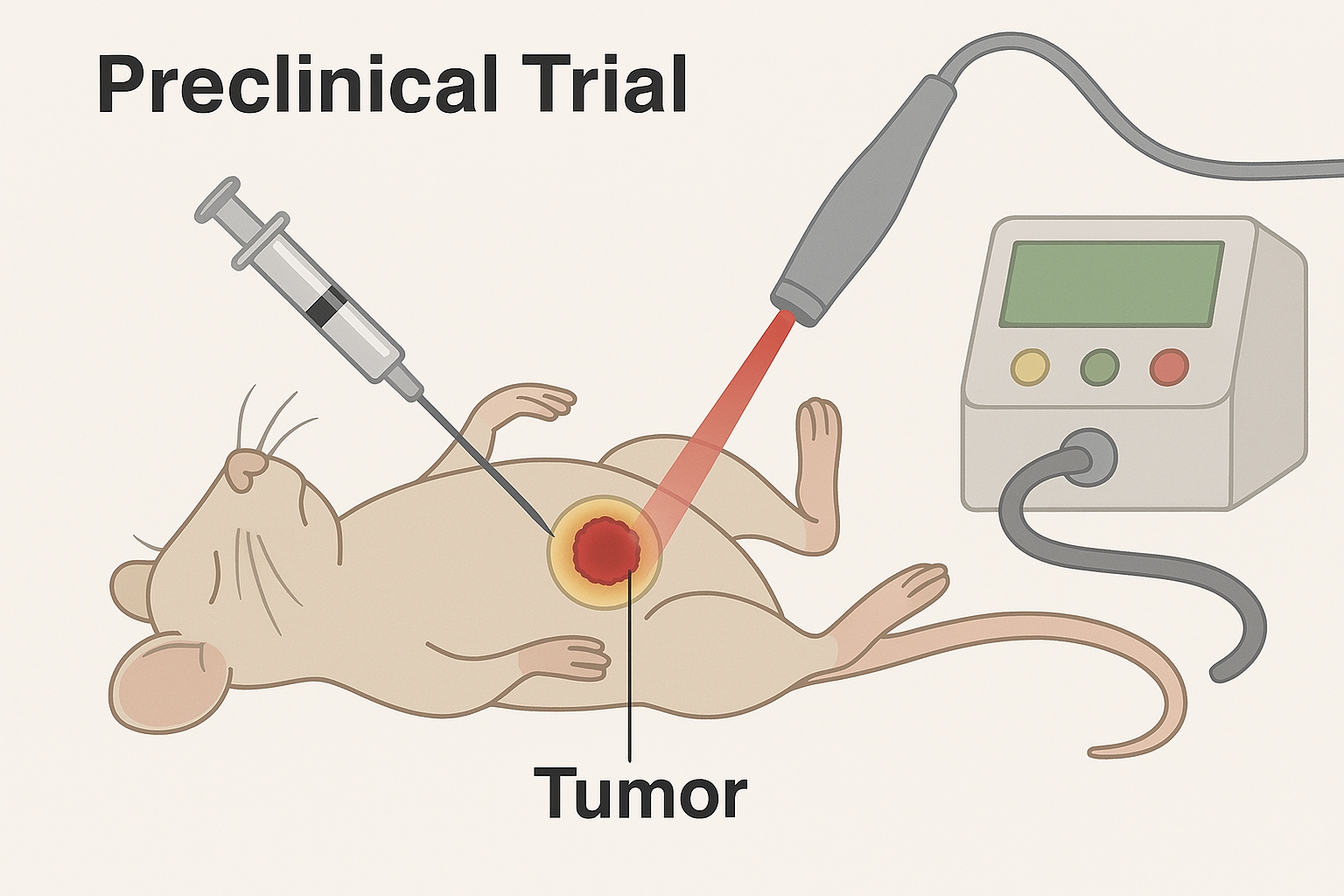
In preclinical trials on mice, the PEG-coated nano-cups were used for photothermal ablation of metastatic breast cancer tumors. The results were remarkable:
Tumors were destroyed effectively
Survival rates increased
Tumor relapse was significantly reduced
This breakthrough could pave the way for a non-invasive treatment that causes minimal side effects, a major issue in current cancer therapies.
What’s Next? From Therapy to Biosensing
The research team plans to:
Combine PTT with chemotherapy for selective oncological targeting
Explore Surface-Enhanced Raman Spectroscopy (SERS) applications using the SS nanoparticles’ optical properties for biomedical diagnostics
These future directions could open up multiple applications in both treatment and diagnostics.
Key Advantages Over Existing Technologies
Feature Traditional Methods New Nano-Cup Method
Process Multi-step, high-temp One-step, room temperature
Chemicals Used Toxic, harsh etchants Mild (Vitamin C)
Compatibility Limited High biocompatibility (PEG)
Shelf Life Short Extended
Effectiveness in PTT Moderate High (NIR absorption optimized)
Final Thoughts
This Indian innovation represents a giant leap in cancer therapy technology. With minimal toxicity, easy synthesis, and impressive results, these PEGylated nano-cups have the potential to revolutionize how we treat advanced and metastatic cancers.