
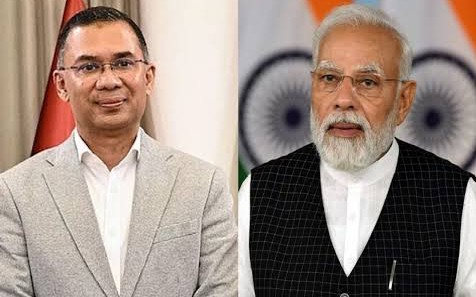

In a public message issued shortly after preliminary election results indicated a BNP victory, Prime Minister Modi conveyed his congratulations to Tarique Rahman. He described the outcome as a reflection of the people’s trust in Rahman’s leadership and reaffirmed India’s commitment to supporting a democratic, progressive, and inclusive Bangladesh.
The Prime Minister also emphasized the importance of continued cooperation between New Delhi and Dhaka. He noted that both countries share strong historical, cultural, and economic ties, and expressed his intention to work closely with the incoming government to further deepen cooperation across sectors.
According to India’s Ministry of External Affairs, maintaining stable and friendly relations with Bangladesh remains a priority for India’s foreign policy. Official statements and bilateral engagement details are available on the Ministry of External Affairs website.
BNP’s Return Marks Major Political Shift
The BNP’s electoral success marks a significant turning point in Bangladesh’s political landscape. Tarique Rahman, who spent years outside the country amid legal and political challenges, is now poised to assume leadership at a critical moment for Bangladesh.
The BNP’s victory comes after a period of political uncertainty, with previous developments including leadership changes and shifting political alliances. The election outcome reflects voters’ desire for change, with the BNP promising governance reforms, economic growth, and improved national stability.
Observers say Rahman’s leadership will face immediate challenges, including restoring investor confidence, ensuring domestic stability, and strengthening diplomatic relationships with key partners such as India.
India-Bangladesh Relations: A Complex but Crucial Partnership
India and Bangladesh share one of South Asia’s most important bilateral relationships, encompassing trade, connectivity, border management, and cultural cooperation. Over the past decade, both countries have worked together on infrastructure projects, regional connectivity initiatives, and cross-border security efforts.
India has supported Bangladesh’s economic development through various bilateral and regional initiatives. Information about India’s development cooperation and regional partnerships can also be found on the Press Information Bureau.
Despite strong cooperation, the relationship has occasionally faced challenges, including issues related to migration, border tensions, and political differences. Nevertheless, both governments have repeatedly emphasized the importance of maintaining stability and mutual respect.
Promises of a Diplomatic “Reset”
Tarique Rahman has indicated his intention to pursue balanced diplomatic relations while prioritizing Bangladesh’s national interests. His leadership is expected to focus on economic development, security cooperation, and maintaining stability within the region.
Analysts believe India’s prompt congratulations signal its willingness to work constructively with the new administration. The gesture reflects India’s broader strategy of maintaining stable and cooperative relations with neighboring countries, particularly those that play a key role in regional security and economic integration.
Rahman has also emphasized commitments to counterterrorism cooperation, minority protection, and resolving long-standing bilateral issues through dialogue and diplomacy.
Regional Stability and Economic Cooperation in Focus
The election outcome holds significant implications for South Asia’s political and economic landscape. Bangladesh is one of the fastest-growing economies in the region, and its political stability is considered essential for regional development.
India remains Bangladesh’s largest neighbor and one of its most important trading partners. Strengthening cooperation in trade, infrastructure, energy, and connectivity is expected to remain a priority for both governments.
Experts say continued collaboration could benefit millions of people across both countries by improving economic opportunities, enhancing regional connectivity, and supporting long-term growth.
Looking Ahead: Opportunities and Challenges
As Tarique Rahman prepares to take office, attention will turn to how his administration manages domestic expectations while navigating complex regional dynamics. India’s early outreach suggests that both countries are keen to maintain stability and cooperation.
The coming months will be crucial in determining the direction of bilateral ties. Diplomatic engagement, policy decisions, and mutual cooperation will shape the future of India-Bangladesh relations.
For now, India’s congratulatory message reflects optimism about continued partnership and shared progress, signaling a willingness to build on the strong foundations established over decades of cooperation.