
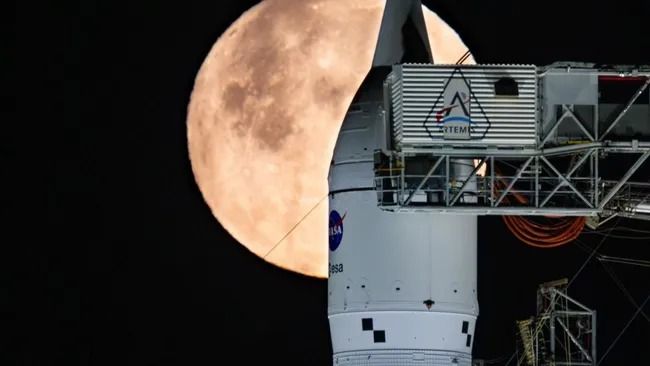

The rehearsal began late on January 31 and continued into the early hours of February 2 at NASA’s Kennedy Space Center in Florida. The process involves pumping more than 700,000 gallons of liquid hydrogen and liquid oxygen into the massive SLS rocket, testing both hardware performance and ground crew readiness.
While initial tanking operations proceeded smoothly, sensors later detected hydrogen leaking from the tail service mast umbilical quick-disconnect, a component that supplies fuel to the rocket while it remains on the launch pad. For safety reasons, NASA immediately suspended operations and initiated troubleshooting.
A Familiar Problem From Artemis 1
The latest leak has raised concerns because the same component caused repeated delays during the Artemis 1 mission. That uncrewed test flight, which eventually launched in November 2022, was postponed multiple times after similar hydrogen leaks were detected during pre-launch testing.
Artemis 1 was rolled back to the Vehicle Assembly Building three times over six months before NASA engineers were able to resolve the issue. The mission ultimately succeeded, sending the Orion spacecraft on a month-long journey around the Moon and back to Earth.
Artemis 2: A Historic Crewed Lunar Flight
Unlike its predecessor, Artemis 2 will carry astronauts, making it one of NASA’s most significant missions in decades. The crew includes NASA astronauts Reid Wiseman, Victor Glover, and Christina Koch, along with Canadian Space Agency astronaut Jeremy Hansen.
The mission is designed to last approximately 10 days and will send the Orion spacecraft around the far side of the Moon. Its primary objective is to test Orion’s life-support, navigation, and communication systems in deep space before astronauts attempt a lunar landing.
NASA Says Lessons Are Being Applied
NASA officials have stressed that lessons learned from Artemis 1 are being actively applied. Speaking after the halted test, senior agency leaders said the rehearsal still provided valuable data despite the premature shutdown.
The Artemis 2 mission will mark humanity’s first return to lunar orbit since Apollo 17 in 1972, a gap of nearly 55 years. It also serves as a stepping stone toward Artemis 3, which aims to land astronauts on the Moon’s surface later this decade.
Global Significance and India’s Space Momentum
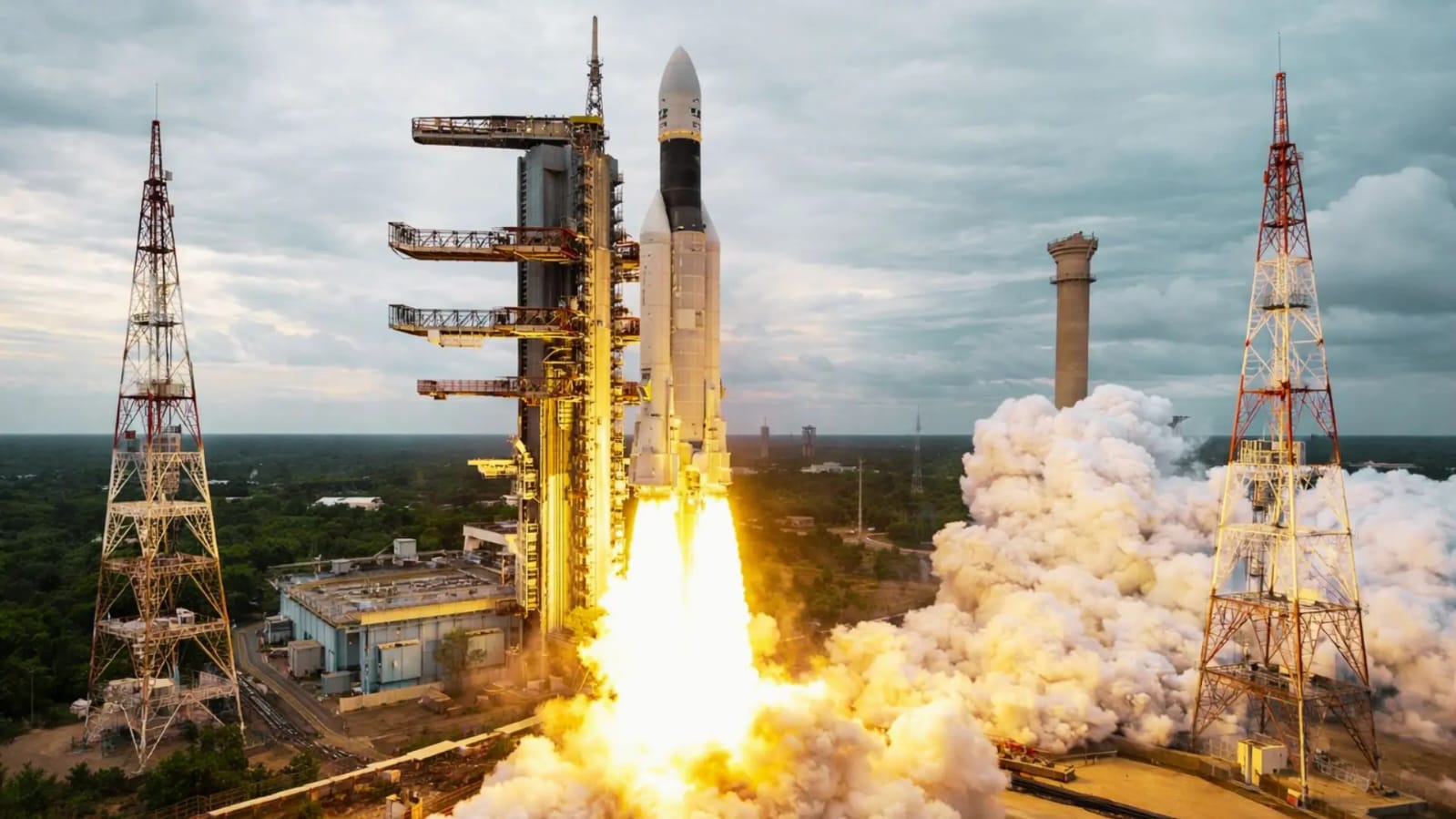
NASA’s Artemis programme has global significance, inspiring space agencies worldwide, including India’s ISRO, which has recently advanced its own lunar and human spaceflight ambitions. India’s Chandrayaan missions and the upcoming Gaganyaan programme highlight growing international interest in deep-space exploration.
What Happens Next
NASA engineers are now analysing data from the test to determine whether repairs can be carried out on the launch pad or if the rocket will need to be rolled back for more extensive work. Any rollback would further impact the mission timeline.
Despite the delay, NASA maintains that safety remains its top priority. Officials insist that the Artemis programme, though complex and costly, is progressing steadily toward its long-term goal of establishing a sustained human presence on the Moon.