 Countdown Underway at Kennedy Space Center
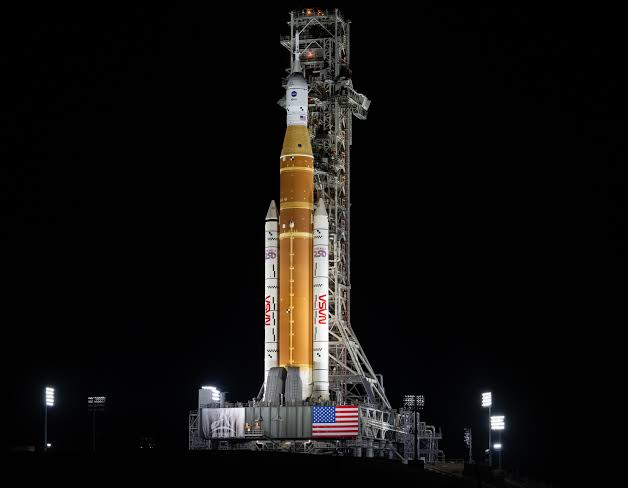
NASA began the formal countdown late Saturday evening at the Kennedy Space Center in Florida. The operation marks the L-48 hour and 40-minute point ahead of a simulated launch time scheduled for 9:00 p.m. EST on Monday, February 2.
During this rehearsal, launch teams will work through every major step required on launch day, from powering up systems to fueling the rocket and practicing potential countdown holds or scrubs.
What the Wet Dress Rehearsal Involves
The wet dress rehearsal is designed to test not only hardware but also human readiness. Teams at Kennedy Space Center, NASA’s Johnson Space Center in Houston, and other supporting facilities will coordinate operations in real time.
NASA will load super-cooled liquid hydrogen and liquid oxygen into the SLS rocket’s core and upper stages, conduct a full countdown sequence, recycle the launch clock, and then safely drain the propellants.
Final Test Before Crewed Moon Mission
Artemis 2 will send four astronauts on a roughly 10-day journey around the Moon aboard the Orion spacecraft. The mission represents NASA’s first crewed lunar flight since Apollo 17 in 1972.
The astronauts will not land on the Moon but will orbit it, validating life-support systems, propulsion, navigation, and communications ahead of future lunar landings under the Artemis programme.
Launch Window and Weather Challenges
NASA’s current launch window for Artemis 2 runs from February 8 to February 11, with additional opportunities later in March and April. However, the exact launch date depends on the outcome of the fueling test.
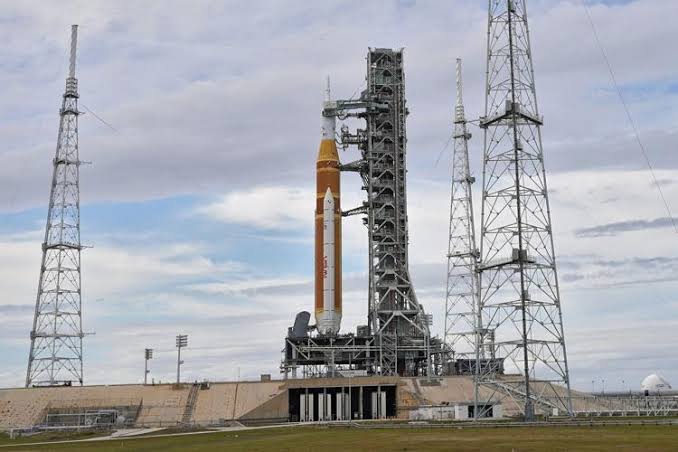
The rehearsal schedule has already shifted several times due to freezing temperatures at Launch Pad 39B. NASA delayed the test earlier this week to ensure equipment safety and mission readiness.
Impact on International Space Station Missions
The Artemis 2 launch timeline is also affecting other missions. NASA has confirmed that the Crew-12 mission to the International Space Station will be delayed if Artemis 2 launches within its February window.
Space station traffic management requires a buffer period to ensure safe recovery operations for the Artemis crew before additional launches can proceed.
India’s Growing Role in Global Space Exploration
India has emerged as a key partner in international space exploration, with ISRO collaborating closely with NASA on several scientific and technical initiatives. The success of Artemis 2 will further expand opportunities for future cooperation.
A Historic Moment Approaches
With the SLS rocket standing 322 feet tall on the launch pad, Artemis 2 represents a defining moment for human spaceflight. The mission aims to re-establish a sustained human presence around the Moon.
As NASA completes its final checks, the world watches closely, knowing that the success of this test will determine when humanity takes its next giant step toward deep space exploration.