
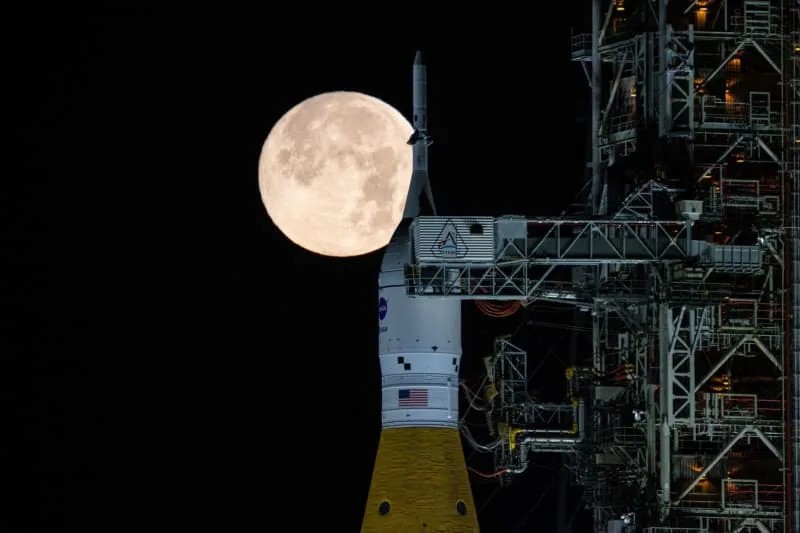
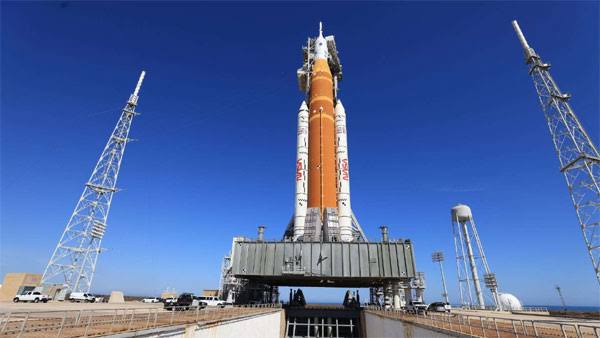

The upcoming mission represents a significant advancement in NASA’s broader lunar exploration program. It aligns with the agency’s long-term goal of establishing a sustainable human presence on the Moon, which includes extended missions, habitat development, and scientific research.
By sending astronauts back to the lunar surface, NASA aims to deepen human understanding of the Moon, develop new technologies for long-duration space travel, and prepare for future Mars expeditions. “This launch will open a new chapter in human space exploration,” the agency stated.
Extensive Preparations Underway
NASA engineers continue to work closely on final launch preparations, ensuring all systems meet stringent safety and performance criteria. The team will conduct additional simulations, monitor life-support readiness, and perform pre-flight inspections. The agency emphasized that no launch date will be confirmed until all safety requirements are fully met.
The mission follows a series of recent achievements, including the successful testing of new propulsion technologies and advanced onboard systems designed to support crewed lunar operations. Experts view this mission as a critical step toward sustainable exploration and international cooperation in space science.