 Multiple Launch Windows Under Review
According to NASA, the first potential launch window opens at 6 a.m. Eastern Time on February 11, corresponding to 11:00 GMT. Additional backup windows are available on the mornings of February 12 and February 13, depending on weather conditions and final mission readiness.
The agency confirmed the revised timeline through official updates, stating that launch decisions will continue to be refined as technical assessments and crew preparations progress.
International Crew on Board
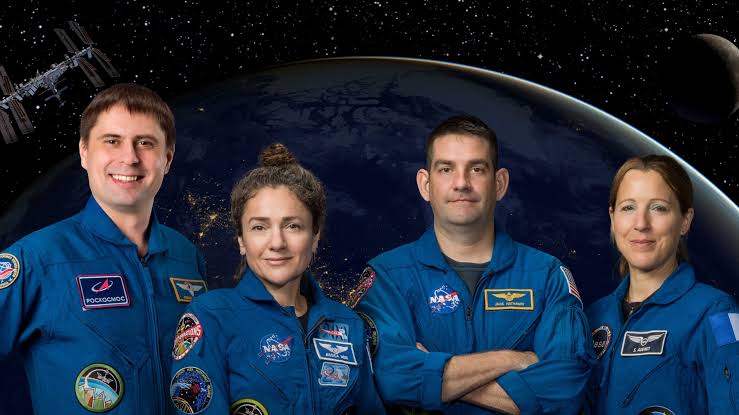
The upcoming ISS mission reflects the continued international collaboration that underpins the space station programme. The crew includes American astronauts Jessica Meir and Jack Hathaway, French astronaut Sophie Adenot, and Russian cosmonaut Andrey Fedyaev.
Together, the four astronauts will carry out scientific research, technology demonstrations, and station maintenance during their stay aboard the ISS.
Launch Accelerated After Medical Evacuation
The decision to consider an earlier launch follows the unexpected early return of Crew-11 members from the ISS earlier this month. One astronaut experienced a medical issue that required evacuation, marking the first such health-related return in the station’s history.
NASA officials have emphasised that crew safety remains the agency’s top priority and that contingency planning allowed for a smooth and controlled return to Earth.
Scheduling Challenges With Artemis II
Finalising a new launch date has been complicated by NASA’s parallel preparations for the Artemis II mission, which is slated to be the first crewed flight around the Moon in more than five decades.
The initial launch window for Artemis II also opens in February, requiring careful coordination of launch infrastructure, personnel, and safety resources at Kennedy Space Center.
NASA Balancing Two Crewed Missions
In a statement, NASA said it is working to identify optimal launch opportunities for both missions without compromising safety or mission success.
“NASA continues working toward potential launch windows for two important crewed missions this February: Artemis II and Crew-12,” the agency said. “Decisions on the best launch opportunity for each mission will be made closer to flight.”
Importance of Continuous ISS Operations
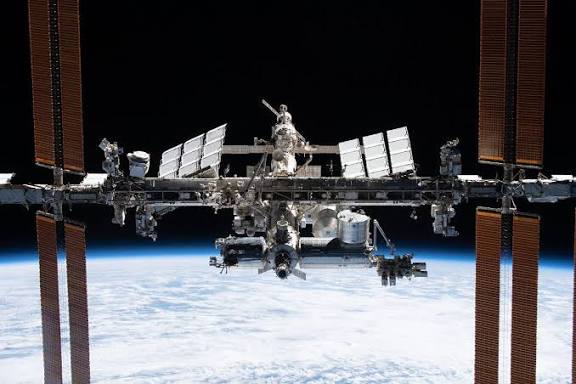
The ISS remains a cornerstone of global space research, hosting experiments in microgravity that advance medicine, materials science, Earth observation, and human spaceflight capabilities.
Maintaining uninterrupted crew presence aboard the station is essential to sustaining these research efforts and ensuring the long-term health of the orbiting laboratory.
What to Expect Next
NASA will continue to monitor weather, spacecraft readiness, and crew health in the days leading up to the planned launch. A final “go” decision is expected shortly before the opening of the February 11 window.