 Microgravity Changes How the Body Functions
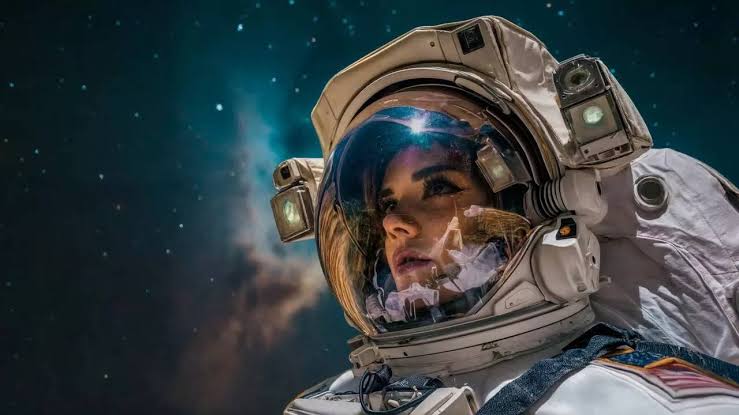
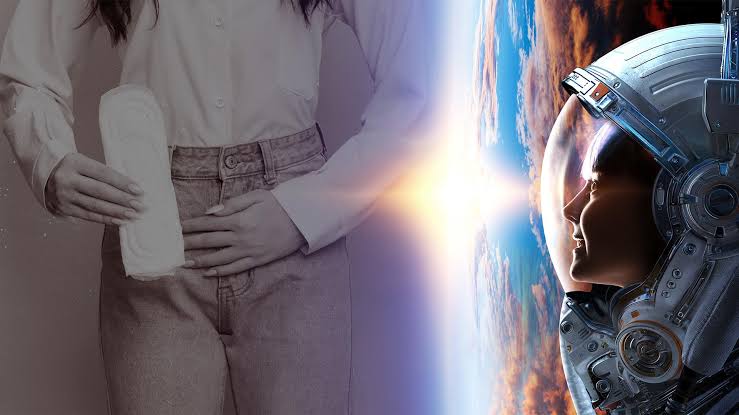
Human physiology behaves differently once the body leaves Earth. Microgravity alters circulation, fluid movement, bone density, muscle function, and immune response. These changes also influence how everyday biological processes work including menstruation. Despite early concerns, NASA-supported research now shows that menstruation continues normally in microgravity. The real challenges are not biological but logistical: hygiene, storage, water availability, and waste disposal.
This shift in understanding marks a major change from the early days of space travel, when engineering teams feared menstrual blood might not exit the body properly without gravity. Today, with solid evidence available, attention has turned to designing better systems rather than discouraging natural cycles.
Why Menstrual Care Was a Challenge in Early Spaceflight
In the 1980s and 1990s, astronauts who menstruated often relied on hormonal suppression to avoid periods entirely. Limited spacecraft storage, concerns about leakage, and difficulties managing waste in sealed environments made this option seem safer at the time. Yet suppression is not suitable for everyone and restricts personal choice.
Traditional products such as pads and tampons work but create significant waste. Disposing of bio waste during missions with limited water and restricted garbage handling adds to the complexity. These obstacles became even more relevant as agencies began planning for long-duration travel beyond low Earth orbit.
NASA’s Research on Reusable Menstrual Solutions
NASA and external research partners are now exploring whether reusable menstrual cups could offer a safer and more sustainable alternative. A single cup requires minimal storage, produces far less waste, and is made from medical-grade silicone capable of withstanding pressure changes. In laboratory studies, cups perform reliably; however, real microgravity testing is still needed to understand cleaning, sterilization, and use inside a zero-gravity cabin.
If proven successful, menstrual cups may reduce the need for constant resupply an issue critical for multi-month journeys where cargo capacity is limited.
What Astronauts Use Today
Currently, astronauts can choose between natural cycles or hormonal suppression. They are also allowed to pack personal menstrual products based on preference. NASA’s long-term goal is to support multiple safe choices rather than push one method. This flexibility aligns with global trends in astronaut health research, which emphasize autonomy and physiological well-being.
Why Menstrual Care Matters for Moon and Mars Missions
NASA’s Artemis missions to the Moon and eventual crewed missions to Mars will last months or even years. Spacecraft during these missions must function like homes, not short-term laboratories. Menstrual care systems must therefore be:
- Hygienic and easy to maintain
- Waste-efficient with minimal disposables
- Safe under extreme pressure fluctuations
- Compatible with limited water supplies
- Simple to clean without risking bacterial contamination
Addressing these challenges is not just about comfort it directly affects mission readiness, equality, and mental well-being. Inclusive space systems ensure every astronaut can work effectively without unnecessary stress.
What Researchers Still Need to Study
NASA scientists note several areas that require more investigation, including:
- Long-term effects of hormonal suppression in microgravity
- Fluid behavior inside menstrual cups during zero gravity
- Safe sterilization systems aboard spacecraft
- Waste management compatible with closed cabin life-support systems
Real-world testing aboard the International Space Station is expected to guide decisions for deep space missions. Collaboration with global agencies, including the Indian Space Research Organisation (ISRO) and other partners, may also help streamline future standards for astronaut health.
NASA’s growing focus on menstrual care reflects a broader shift toward designing missions around diverse human bodies. As explorers prepare to travel further from Earth than ever before, supporting all biological needs becomes essential for survival and success.