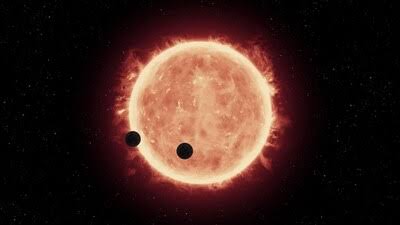
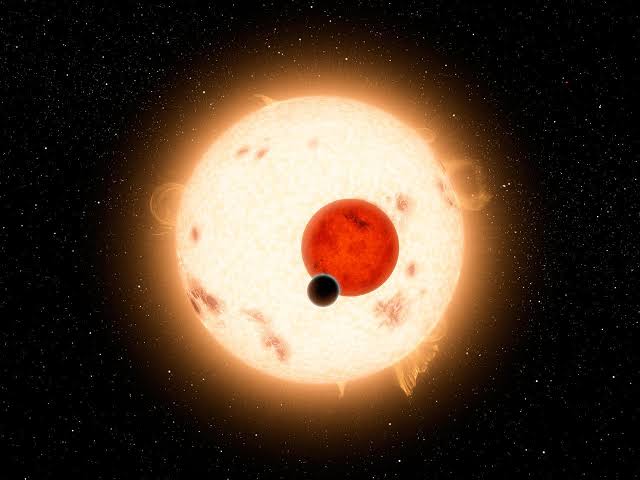
 Developed to evaluate shallow dips in starlight caused by planetary transits, ExoMiner++ can confirm whether the observed signals are planets or impostors like eclipsing binary stars. Using data from over 10,800 TESS light curves, the AI identified approximately 7,000 potential exoplanets, including three previously overlooked candidates.The TESS mission, launched in 2018, surveys nearly the entire sky, focusing on bright nearby stars. Unlike Kepler’s narrow field, TESS covers a wide array of targets, generating vast amounts of data. Open-source tools like ExoMiner++ on GitHub allow researchers worldwide to contribute to the hunt for new worlds.
Looking ahead, NASA’s Nancy Grace Roman Telescope, expected to launch in the mid-2020s, will record tens of thousands of exoplanet transits. With open-access data and AI tools, scientists anticipate accelerating the pace of discoveries and potentially finding more Earth-like planets in habitable zones.
This combination of cutting-edge AI and open scientific data underscores NASA’s commitment to democratizing space exploration and empowering global research communities to discover new worlds.