
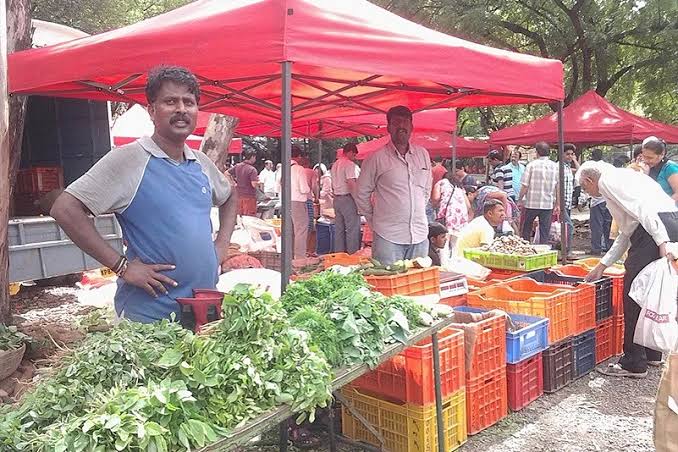
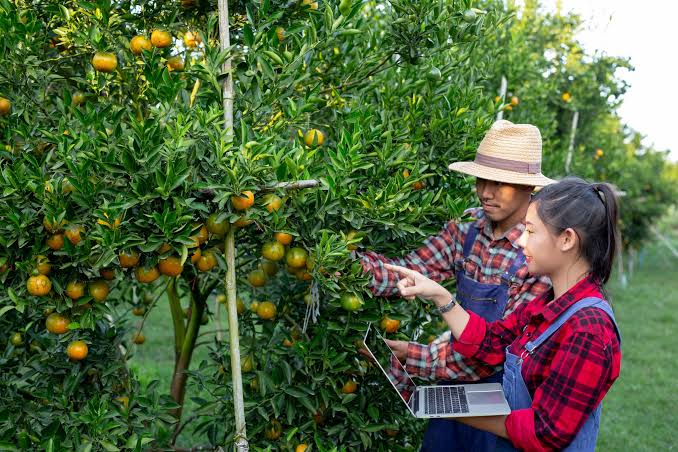

Project approvals are distributed widely across states. The national tally includes 1,924 pack houses, 6,485 reefer vans and 6,162 ripening chambers across approved projects, along with hundreds of cold stores in states with intense horticulture activity. Maharashtra, for example, stands out for its high reefer van and cold-storage numbers, while Uttarakhand and Himachal Pradesh have built significant cold storage capacity to support mountain horticulture.
These assets aim to ease seasonal gluts, smooth market supply and improve the shelf life of fruits, vegetables, dairy and processed foods critical for small farmers, SHGs and micro-processors who have historically lacked access to reliable refrigerated logistics.
Budget trends and utilisation
Budget allocations and utilisation under the Cold Chain component of PMKSY reflect a steady funding commitment. Appropriations (BE/RE/Actual) show the programme moving from ₹227.6 crore (BE 2021–22) to higher releases in later years. Actual expenditures were ₹225.31 crore (2021–22), ₹203.07 crore (2022–23), ₹175.40 crore (2023–24) and ₹113.52 crore (2024–25). For FY 2025–26, ₹65.43 crore had been expended as on 27 Nov 2025, indicating ongoing project rollout and phased disbursements.
Officials note that funding follows project milestones and that many completed units are now operational and generating local employment and market access benefits.
Why integrated cold chains matter
Post-harvest losses in perishable commodities have long eroded farm incomes and supply predictability. Integrated cold chains do more than store produce they enable aggregation, processing, grading and value addition. Pack houses near production hubs let producers pre-cool and sort produce; reefer vans preserve freshness in transit; and ripening chambers and cold stores help processors manage inventories.
Improved post-harvest logistics also supports India’s processed-food export agenda. Government export tables show notable year-on-year gains in several processed commodity categories a trend that cold-chain expansion seeks to accelerate by ensuring quality and conformity for export markets. (See Ministry of Food Processing Industries data.)
Standards, monitoring and implementation challenges
The Ministry of Food Processing Industries (MoFPI) does not prescribe single temperature or handling protocols centrally because requirements vary by commodity and technology. Instead, multiple agencies and quality-control bodies monitor operations, and implementing agencies adopt commodity-specific protocols and equipment standards.
Nevertheless, challenges remain: ensuring last-mile connectivity for remote producers, integrating smallholders into hire-based common facilities, and developing trained logistics personnel. The government’s approach combining capital grants with cluster-level common infrastructure is aimed at making modern cold services commercially viable for small users.
Outlook and policy links
With 300 completed projects and hundreds more operational assets, PMKSY’s cold-chain component is moving from capital creation to utilisation and market linkages. The next phase calls for stronger aggregation models, linkages with e-marketplaces and financing products for cold-chain service providers.