
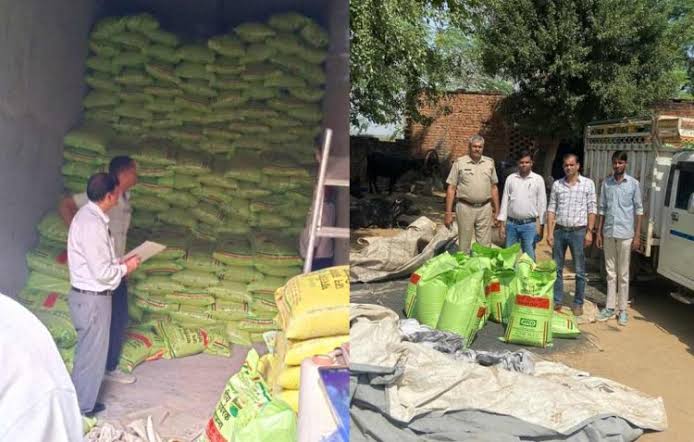
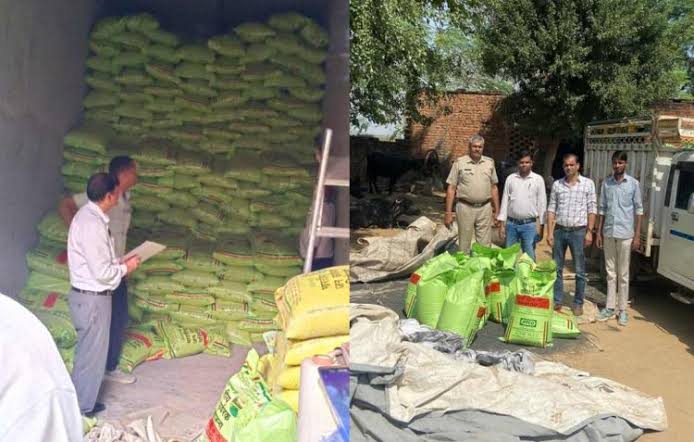
New Delhi, July 14, 2025: To protect the interests of farmers and ensure crop productivity, the Union Agriculture Minister, Shri Shivraj Singh Chouhan, has directed all States and Union Territories to take strict action against fake and substandard fertilizers.
He has written to all Chief Ministers, urging them to launch a state-wide campaign to monitor fertilizer quality and eliminate black marketing and adulteration.

India’s agriculture sector depends heavily on timely and quality inputs. Among them, fertilizers play a crucial role. Recognizing this, Shri Chouhan stated that ensuring access to genuine fertilizers at the right time and price is key to stabilizing farmers’ income.
He emphasized that the sale of fake fertilizers not only damages crops but also threatens the livelihoods of millions of Indian farmers. The call for action aligns with the Fertilizer (Control) Order, 1985 under the Essential Commodities Act, 1955.
Strict Enforcement and Monitoring Measures
The Ministry has laid down several clear directives for states to implement immediately:
- Ensure timely availability of fertilizers at required locations to prevent black marketing.
- Monitor production and sale of fertilizers closely through regular sampling and testing.
- Crack down on counterfeit products with immediate action including license cancellations and FIRs.
- Stop forced tagging of nano-fertilizers and biostimulants with traditional products.
- Involve farmers by creating feedback and information systems for ground-level reporting.
States have also been asked to educate farmers on how to identify fake and original products through awareness drives and workshops.
Illegal Fertilizer Practices Under Fire
Shri Chouhan’s letter takes a firm stand on issues such as:
- Overpricing of subsidized fertilizers
- Illegal diversion of agricultural inputs
- Tagging nano-fertilizers forcibly to increase sales
All such activities are now under national scrutiny. Any violation will result in swift legal action, including criminal prosecution of defaulters. The goal is clear: remove fake fertilizers from Indian agriculture permanently.
State Governments to Launch Campaigns
The Minister urged all states to immediately start awareness and enforcement campaigns. These drives must involve agriculture officers, district administrations, local governance bodies, and farmer producer organizations (FPOs).
The Ministry will monitor the implementation regularly. States that perform well will be recognized and supported further in improving farmer input quality.
Empowering Farmers with Knowledge
One of the critical components of the campaign is farmer education. States have been advised to use digital platforms, local language materials, and radio/TV broadcasts to help farmers distinguish between genuine and counterfeit fertilizers.
This will prevent losses caused by low-quality inputs and build trust in government-regulated products.
Previous Incidents Raise Concern
In recent years, there have been multiple reports of counterfeit fertilizers being sold in rural markets. These have led to crop failures, yield losses, and farmer distress. The Minister’s firm intervention now seeks to address this issue systemically.
During the kharif season, when demand for fertilizers is high, such monitoring becomes even more critical.
Legal Backing and Accountability
Under the Fertilizer Control Order, 1985, it is mandatory for all manufacturers and dealers to adhere to quality norms. States have the authority to sample, inspect, and prosecute violators.
By enforcing these laws rigorously, the government aims to strengthen agricultural input supply chains and protect farmers’ rights.
Conclusion: Quality Fertilizers for a Healthy Harvest
This national campaign signals a major push toward fertilizer quality assurance in India. With active cooperation from state governments and farmer participation, the Ministry hopes to eradicate counterfeit and substandard fertilizers once and for all.
As India moves toward the goal of Viksit Bharat @2047, protecting the integrity of agriculture will remain a top priority. And this starts with what goes into the soil—genuine, affordable, and timely fertilizers.