
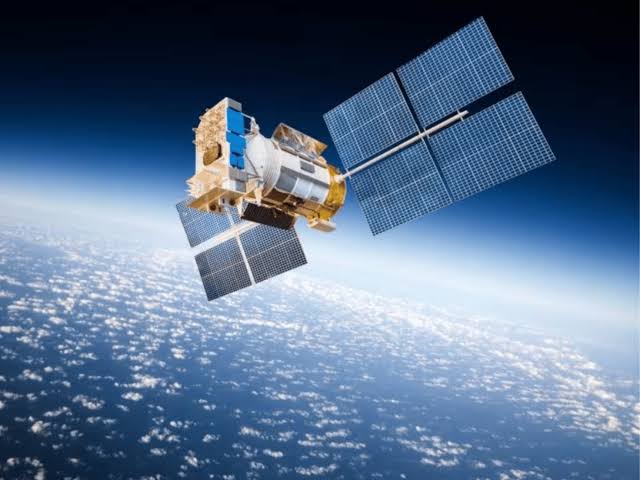

DoS has advanced several pilot projects to demonstrate NavIC’s real-world utility. Over 10,000 trains now carry NavIC-enabled tracking devices, improving situational awareness and timeliness for rail operations. For the fisheries sector, more than 30,000 fishing vessels have been equipped with NavIC transponders to aid location tracking and safety-at-sea measures.
Vehicle tracking is also progressing: DoS reports certification of over 140 device models that support NavIC, with installations exceeding 1.5 million vehicles. These deployments illustrate how NavIC is being embedded into transportation and logistics ecosystems across India, supporting positioning, navigation and timing (PNT) services tailored to local needs.
NavIC Time Transfer and National Synchronisation
Beyond positioning, NavIC contributes to national timing infrastructure. The department is setting up secondary timescales using NavIC time-transfer receivers to disseminate a common Indian Standard Time (IST) across the country. Reliable timing is critical for sectors such as telecom, banking and power distribution, and NavIC’s capabilities aim to strengthen domestic resilience in this domain.
Industry Collaboration and Standards
DoS emphasised active engagement with Indian industry through technology transfers, testing support and utilisation programmes that help manufacturers integrate NavIC into consumer and industrial products. The department is also pursuing inclusion of NavIC in national and international industry standards to ensure interoperability, consistent performance and easier adoption by device makers and service providers.
While NavIC civilian signals are open for any user within coverage, the government has not mandated NavIC in devices. Officials said discussions on possible mandates are ongoing. Meanwhile, international GNSS providers continue dialogue with NavIC experts for coordination and interoperability.
Smartphones and Consumer Reach
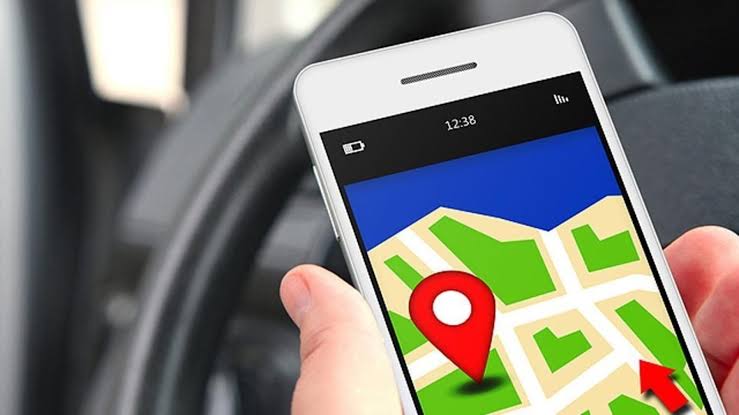
DoS said more than 60 smartphone models from various manufacturers currently include NavIC support. This consumer-level integration is essential for widespread awareness and everyday use ranging from navigation apps to timing-sensitive mobile services. Greater handset support helps position NavIC as a practical, local alternative or complement to global GNSS services.
Path to Wider Adoption
Expanding NavIC’s footprint will depend on continued cooperation between government agencies, manufacturers and standards bodies. Certification processes, testing infrastructure and incentive mechanisms can accelerate device maker uptake. DoS’s combination of pilot deployments and industry outreach demonstrates a deliberate approach: show the technology’s benefits in real applications, then scale through industry partnerships.