
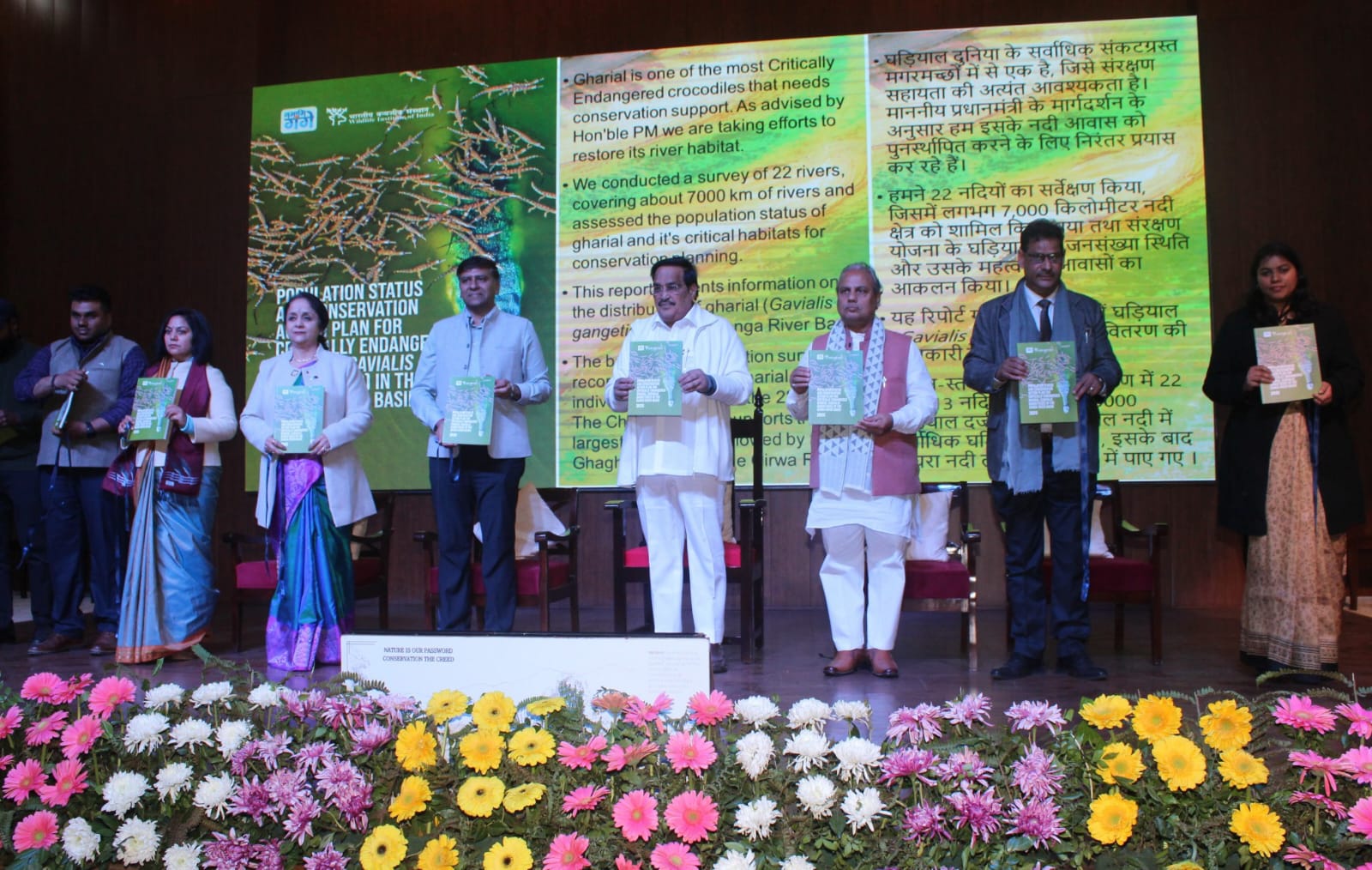


NCRR is implementing the project titled “Assessment of ecological status of select Indian rivers for conservation planning”. The project aims to evaluate the ecological condition of major rivers across the country and provide technical baselines for conservation interventions. Currently, ecological assessments cover nine rivers in the Ganga basin and seven rivers in other river basins.
These assessments focus on river biodiversity, ecological integrity, pollution gradients, and human-induced pressures. The findings are shared with respective State Governments to support informed decision-making and policy reforms for river rejuvenation.
Focus on Biodiversity and Climate Resilience
During its initial phase, the Centre has prioritised major rivers and floodplain wetlands across India. Special emphasis is placed on understanding riparian biodiversity and identifying priority stretches requiring immediate conservation action.
NCRR is also assessing ecological resilience to understand how river ecosystems respond to long-term climate change impacts. This approach helps policymakers plan adaptive strategies for sustainable river
management.
Collaboration with States and Institutions
A collaborative framework involving State Governments, implementing agencies, academic institutions, and non-governmental organisations underpins NCRR’s work. Coordination is achieved through regional workshops, consultative meetings, and dissemination of research outputs through print and digital media.
This multi-stakeholder engagement ensures that scientific findings are effectively integrated into
river conservation and rejuvenation programmes across the country.
Ongoing Monitoring and Future Expansion
Ecological assessments of the initially identified sixteen rivers and associated wetlands are ongoing, with plans to progressively expand the scope to additional river systems. Recommendations from these studies are shared with State Governments for incorporation into implementation and rejuvenation plans.
In parallel, river water quality is monitored under the National Water Quality Monitoring Programme by the Central Pollution Control Board, in coordination with State Pollution Control Boards and Pollution Control Committees.