

Why the First Draft Was Withdrawn
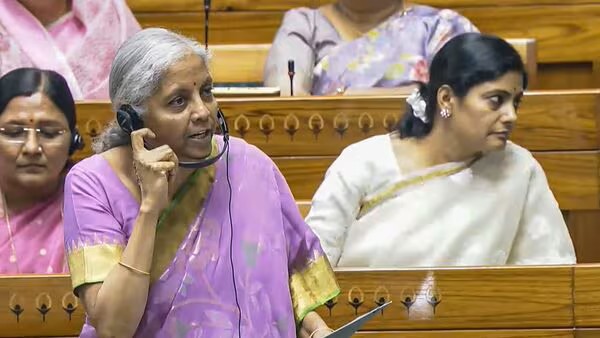
The original Bill, introduced on February 13, 2025, aimed to simplify tax laws, but was recalled after recommendations from the Select Committee. According to Sitharaman, the revised version ensures better phrase alignment, improved cross-referencing, and clarity in legislative language. The government wanted a single, clear text to avoid confusion during parliamentary discussions.

One of the most significant updates is the explicit tax deduction for commuted pension—lump sum pension payments—for certain taxpayers. This applies to pensions from approved funds listed in Schedule VII, including the LIC Pension Fund. The Select Committee had pushed for this change to ensure equitable tax relief for non-employees receiving pensions from these funds.
Other notable amendments include:
- Removal of the Alternate Minimum Tax (AMT) on Limited Liability Partnerships (LLPs).
- Relaxation in Transfer Pricing rules and the definition of Associated Enterprise.
- Restoration of capital gains reinvestment benefits for charitable trusts.
- Option for trusts to utilise funds in the following year without tax penalties.
- Clarification on standard deduction for income from house property after municipal tax payment.
- Deduction of pre-construction interest for let-out properties.
Expert Reactions
Dinesh Kanabar, CEO of Dhruva Advisors, called the revisions “very welcome changes” that addressed concerns raised during the committee review. “Provisions that were overly restrictive for charitable trusts have been eased, and technical clarifications for individual taxpayers will reduce disputes,” he noted.
What the Withdrawn Draft Proposed
The February draft had focused on simplifying language, consolidating deductions, reducing penalties for certain offences, and adopting a “trust first, scrutinise later” approach. It also aimed to enhance digital tax administration and strengthen the Central Board of Direct Taxes (CBDT) powers.
However, it did not propose changes to tax slabs, capital gains structures, or residency rules. The new Bill retains this position while addressing technical gaps identified during the review process.
Next Steps
With Lok Sabha approval, the revised Income Tax Bill, 2025, moves closer to replacing the 1961 Act entirely. If passed by the Rajya Sabha, it will bring India’s direct tax regime in line with contemporary economic realities, reduce litigation, and simplify compliance for individuals, businesses, and charitable organisations.