
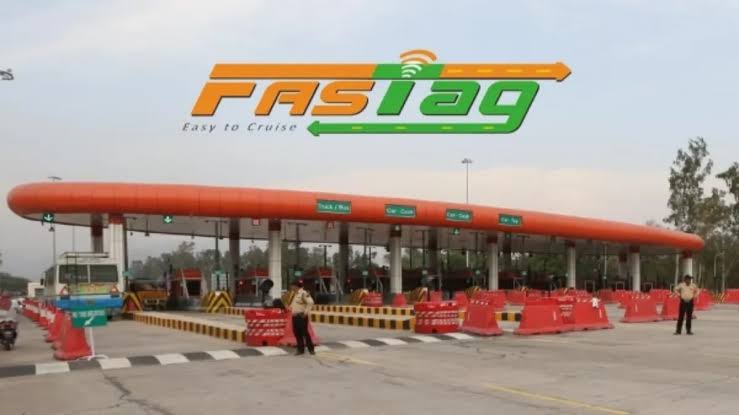


The amendment aligns with the government’s broader push for digital payment adoption and transparency in toll collection. By incentivizing UPI payments, authorities aim to reduce congestion, eliminate long cash queues, and make highway commuting more efficient for travelers.
Officials highlight that this change will modernize toll operations, strengthen fee collection mechanisms, and provide an improved user experience. It also reflects India’s ongoing effort to leverage technology for smart highway management.
Implications for Road Users
For commuters who have not yet adopted FASTag, this rule introduces a clear financial incentive to switch to digital payments. While cash payments will become significantly more expensive, UPI users will enjoy a cost advantage, promoting seamless travel and quicker toll transactions.
Experts note that this step is consistent with previous government initiatives to reduce cash dependency and facilitate smoother traffic flow across national highways. The differential fee structure is expected to encourage widespread FASTag adoption and reduce manual toll operations.
Government and Public Response
The Ministry of Road Transport and Highways (MoRTH) has urged commuters to install FASTags or prepare for UPI payments to avoid paying higher fees. Social media reactions suggest that while some drivers are concerned about the upfront investment in FASTag, most welcome the convenience of reduced digital tolls.
The change has also drawn attention from digital payment platforms and banks, who are preparing to handle increased UPI traffic at toll plazas. This is expected to create a smoother and faster payment ecosystem across highways nationwide.
In summary, the upcoming toll rules mark a significant step in India’s digital transformation journey. With higher charges for cash payments and discounted rates for UPI, the government expects a smooth transition to digital-only tolling, benefiting commuters, authorities, and the economy alike.