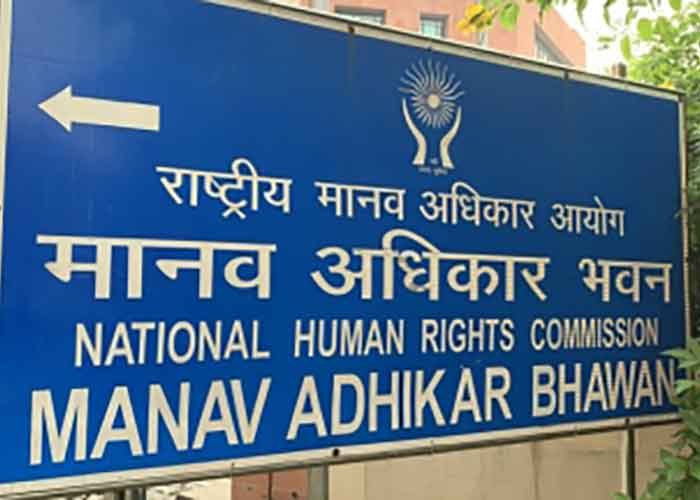
Taking serious note of the allegations, the Commission observed that if the claims are true, they indicate grave violations of human rights. It has sought comments from the Ministry of External Affairs (MEA) within a week regarding the steps taken and whether assistance can be provided to the families of the victims.
Allegations of Torture and Passport Seizure
The workers, reportedly from Kendrapara district in Odisha, had travelled to Thailand in August last year through a labour contractor who allegedly promised them well-paying jobs. However, instead of receiving the promised wages, they claim they were forced to work long hours under harsh conditions.
Media accounts suggest the workers were made to labour for up to 12 hours daily in a plywood factory without salary or adequate food. They have also alleged that their employer confiscated their passports, restricting their movement and preventing them from returning to India.
In their recorded video message, the workers appealed to Indian authorities for immediate intervention and safe repatriation.
NHRC’s Intervention and MEA’s Role
The NHRC, exercising its powers to act on its own initiative in cases involving potential human rights violations, has formally taken cognizance of the issue. The Commission stated that the reported facts raise serious concerns regarding the safety and dignity of Indian citizens working abroad.
By seeking a response from the MEA, the Commission aims to ascertain whether diplomatic channels have been activated and what steps are being taken to assist both the victims and their families.
The Ministry of External Affairs plays a crucial role in safeguarding the interests of Indian nationals overseas. In similar cases in the past, Indian missions abroad have coordinated with local authorities to secure the release and safe return of workers facing exploitation.
Concerns Over Overseas Employment Practices
The incident has once again brought attention to the vulnerabilities faced by Indian migrant workers employed abroad through private contractors. Many workers rely on agents who promise attractive salaries and better working conditions, only to encounter exploitation upon arrival.
Experts have often stressed the importance of verifying overseas employment contracts and ensuring that recruitment agencies are registered and monitored. The government has introduced various measures to regulate overseas employment and protect migrant workers.
Families Await Response
Meanwhile, families of the affected workers in Odisha are reportedly anxiously awaiting intervention from Indian authorities. The NHRC has given the MEA one week to submit its response, indicating the urgency of the matter.
If verified, the case may prompt further scrutiny of labour recruitment practices and reinforce the need for stronger safeguards for Indian workers abroad. The Commission’s proactive step underscores the importance of institutional oversight in protecting human rights beyond national borders.