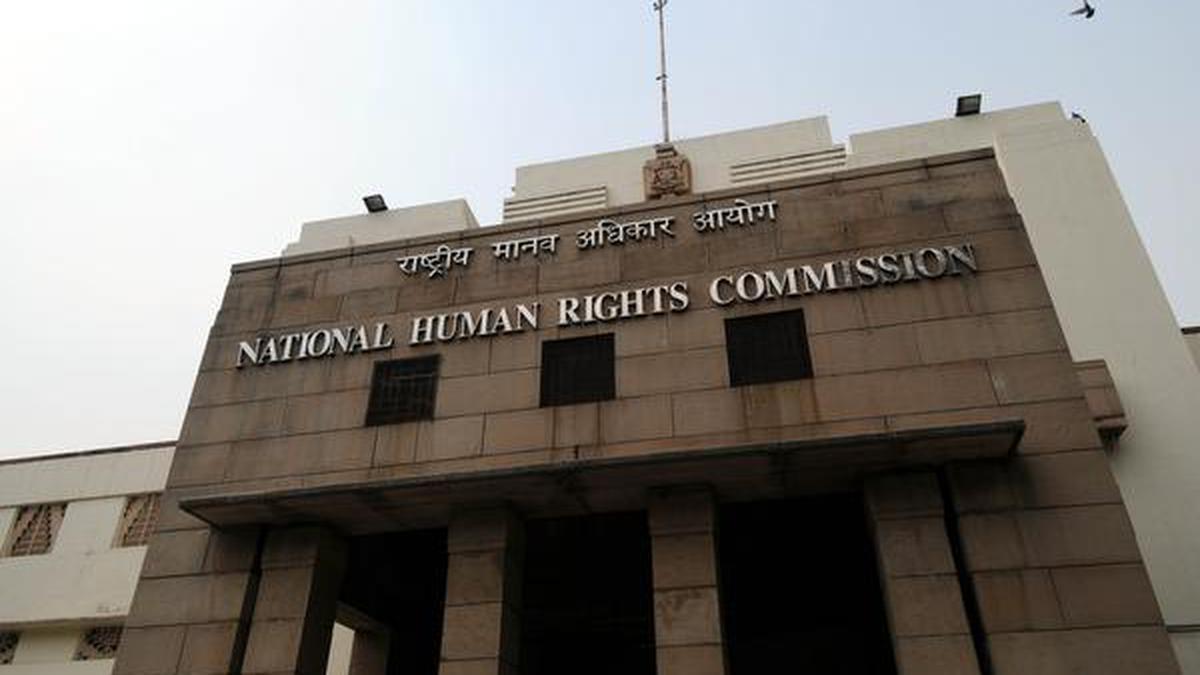
NHRC Flags Fake Doctor Case in Damoh Hospital
Damoh, Madhya Pradesh:
The National Human Rights Commission (NHRC) uncovered major failures at Mission Hospital in Damoh. A man posed as a cardiologist and treated patients without a valid degree. His actions led to the death of seven innocent people.
After its investigation, NHRC gave strong recommendations to the State Government and the Union Health Ministry. These authorities must submit action reports within four weeks.
Seven People Die Under Fake Doctor’s Watch
NHRC received a complaint on March 28, 2025, and started an enquiry without delay. The fake doctor performed risky procedures in the hospital’s cath lab, endangering lives. Sadly, seven patients died.
NHRC directed the Madhya Pradesh Government to give Rs 10 lakh in compensation to each victim’s family.
 NHRC’s Key Recommendations
To prevent such incidents in the future, NHRC suggested bold steps:
-
Cancel Mission Hospital’s license until the investigation ends.
-
Check if all cath lab doctors in the state are properly qualified.
-
Inspect all functional cath labs for safety and legal compliance.
These steps aim to protect patient safety and improve medical accountability.
Legal Action Against Police and Hospital Staff
The NHRC asked the Director General of Police to take action. He should:
-
Start departmental proceedings against negligent police officials.
-
File fresh FIRs against the fake doctor and the hospital’s top management.
-
Apply laws related to fraud, culpable homicide, and medical negligence.
This action is necessary to make those responsible face justice.
Ayushman Bharat Scheme Misused
The hospital also misused the Ayushman Bharat health scheme, meant for poor patients. The NHRC demanded:
-
An EOW investigation into the misuse of funds.
-
A review by the Chief Commissioner of Income Tax (Exemptions).
Investigators will check whether foreign donations and government money were wrongly used.
Centre Asked to Act Nationwide
The NHRC asked the Union Health Ministry to take steps at the national level. These include:
-
Verifying all cath labs in the country to ensure they meet standards.
-
Ordering states to strictly monitor the Ayushman Bharat Scheme.
These reforms can strengthen public trust in healthcare.
Issues in Land Use and Consent
The Commission found more problems at Plot No. 86/1, where the hospital stands. These included:
-
Illegal lease transfers and unauthorized buildings.
-
Support from corrupt health officials to keep the hospital running.
The NHRC also asked:
-
Did the hospital inform patients about surgery risks?
-
Were consent forms signed properly?
-
Was the Chief Medical & Health Officer notified about treatments?
Insurance and Medical Records
NHRC asked if the hospital had insurance coverage. If yes, victims’ families should get the money. It also demanded proof that:
-
Test results and medical risks were shared with families.
-
All important details were properly explained before procedures.
Whistleblowers Must Be Protected
The NHRC praised the whistleblowers who revealed the scam. Their brave actions brought the truth to light. The Commission asked for:
-
Full police protection under the Whistle Blowers Protection Act, 2014.
-
Strict measures to prevent any threats or harm to the informants.
Trust in Healthcare is at Risk
This case has shaken public trust in the healthcare system. People expect safety and honesty from hospitals. But fake doctors and unchecked private facilities are a danger.
Poor monitoring and misuse of schemes like Ayushman Bharat make the problem worse. Patients deserve better.
Conclusion: Fix the System, Deliver Justice
The Damoh case is more than just a hospital scandal. It shows deep flaws in the system. The NHRC’s recommendations offer a chance to:
-
Build transparency
-
Improve oversight
-
Verify doctor credentials
-
Ensure legal action against fraudsters
Now, the State Government and the Centre must act fast. The families of the victims are waiting for justice. The country is watching. It is time to fix what’s broken and protect future lives.