
The Incident in Sidhi District
According to media reports, the young woman had gone out with her fiancé when they were attacked by four men. The attackers allegedly raped her and brutally assaulted her partner. Despite the trauma, the couple managed to escape and reached the local police station to file an FIR. The case has shaken the region and highlighted the persistent threat of gender-based violence.
NHRC’s Intervention
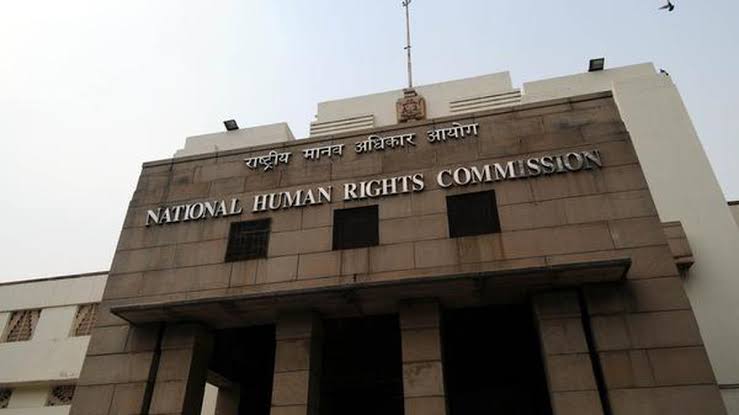
The NHRC, known for stepping in on critical human rights issues, took immediate cognizance after the news surfaced. On August 20, 2025, the Commission issued a notice to the Director General of Police (DGP) of Madhya Pradesh. It has sought a detailed report within two weeks. The report must cover the status of the investigation and provide updates on the health and well-being of the victim.


This case is not just about a horrific crime. It is about the failure of deterrence, community safety, and quick justice. The Sidhi gang rape highlights how vulnerable young women remain in rural and semi-urban areas. It also raises questions about how promptly the police respond when such serious crimes are reported.
Legal and Human Rights Implications
Under Indian law, rape is one of the most serious offenses, punishable with stringent sentences. The Supreme Court has repeatedly stressed on speedy investigation and trial in cases of sexual violence. By taking suo motu action, the NHRC is reinforcing that protecting women’s dignity is a matter of human rights, not just criminal law.
Expected Police Response
The notice directs the state police to provide clear answers. The DGP’s report is expected to outline steps taken to arrest the accused, medical care provided to the survivor, and measures for her protection. The Commission also wants accountability on whether law enforcement officers acted without delay.
Voices Rising for Justice
Women’s rights groups and social activists have already demanded strict punishment for the accused. They argue that unless strong action is taken, such crimes will continue unchecked. The Sidhi case echoes similar past incidents where public pressure played a role in ensuring swift justice.
Government’s Role in Prevention
The Madhya Pradesh government has faced criticism in recent years for rising crimes against women. According to NCRB data, the state consistently ranks high in reported cases of sexual violence. This case will put pressure on the administration to strengthen law enforcement, install more safety measures, and run awareness programs for gender sensitivity.
What Happens Next?
The coming weeks will be crucial. If the police act swiftly, arrest the culprits, and file a strong chargesheet, it may restore some public faith. However, if there are delays or negligence, the NHRC has the authority to recommend further action, including disciplinary steps against officers.
The Broader Human Rights Angle
Every case of sexual violence is not just a crime—it is a violation of the basic right to life and dignity guaranteed under the Constitution. The Sidhi gang rape case shows that even today, India struggles to safeguard its women despite strong laws. The NHRC’s action ensures that the case will remain under close national scrutiny.
Conclusion
The Sidhi case is a tragic reminder that the fight for women’s safety is far from over. While laws exist, their enforcement often falters. The NHRC’s intervention brings hope for accountability. But true justice will depend on quick investigation, fair trial, and long-term reforms in how society and law enforcement view women’s rights.