
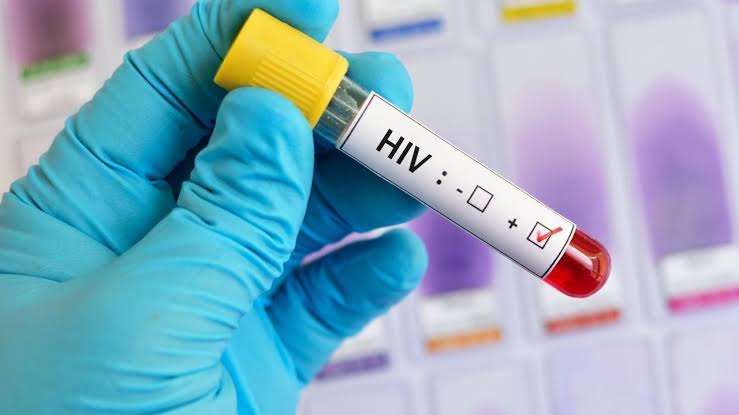
Children Diagnosed HIV Positive Months After Transfusions
Media reports indicate that the children tested HIV positive between January and May 2025, although the matter surfaced publicly only in December. The delay in detection and reporting has raised serious questions about monitoring systems, follow-up testing, and institutional accountability within the healthcare framework.
The NHRC observed that if the reported facts are accurate, the incident represents a grave violation of the human rights of the affected children and their families. Contracting a life-altering infection due to medical treatment meant to save lives reflects systemic failure, the Commission noted.
NHRC Flags Similar Incidents Across India
Taking note of similar reports from other parts of the country, the NHRC has broadened the scope of its intervention. The Commission acknowledged that unsafe blood transfusion practices are not isolated incidents but a recurring concern that threatens public health and patient safety nationwide.
In response, the NHRC has issued notices to the Chief Secretaries of all States and Union Territories. They have been directed to submit comprehensive reports within four weeks detailing the status of blood transfusion safety mechanisms in their jurisdictions.
States Asked to Detail Corrective Measures
The Commission has made it clear that the reports must not be limited to factual responses alone. States and UTs have been asked to specify what action has already been taken or is proposed to be taken to prevent such incidents in the future.
This includes steps related to blood bank regulation, screening of donated blood, training of medical personnel, audit mechanisms, and compensation or rehabilitation measures for victims, if applicable.
Internal Probe Initiated in Satna Hospital
According to reports published on December 16, 2025, the Madhya Pradesh health authorities have launched an internal investigation at the Satna district hospital. Officials are examining whether the infected blood transfusions occurred only at this facility or if other hospitals may also be involved.
The hospital administration is reportedly reviewing blood procurement records, donor screening procedures, and laboratory testing protocols to identify possible lapses.
Right to Safe Healthcare Under Scrutiny
Public health experts have repeatedly emphasized that access to safe blood is a non-negotiable component of the right to life and healthcare under Article 21 of the Constitution. Any failure in ensuring blood safety disproportionately affects vulnerable groups, including children with chronic illnesses.
The NHRC’s intervention underscores the need for uniform enforcement of national blood transfusion guidelines and strict oversight of both government and private blood banks.
Awaiting Accountability and Systemic Reform
The Commission’s nationwide call for reports is expected to bring greater transparency and accountability to blood transfusion services across India. It may also prompt states to strengthen surveillance systems and implement corrective reforms to restore public trust.
As investigations continue, the focus remains on ensuring justice for the affected children and preventing any recurrence of such tragic incidents.