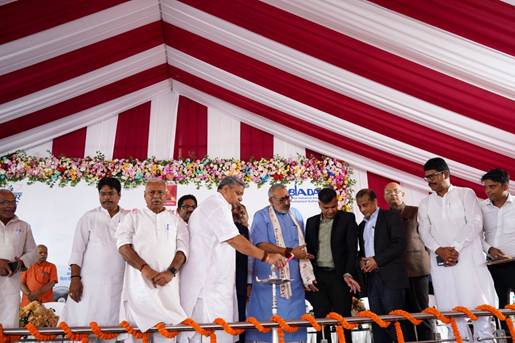
 From Skill Development to Employment
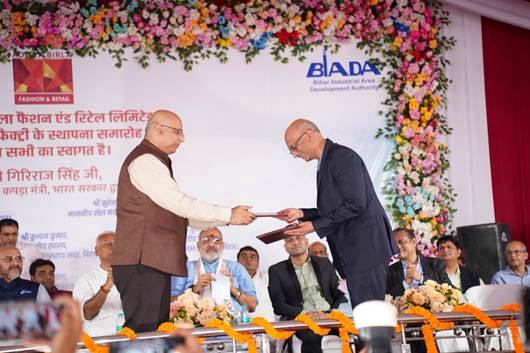
Under the MoU, Jeevika Didis will be trained in garment manufacturing, quality control, and machine operations at NIFT Patna. The comprehensive training is designed to prepare participants for employment at ABFRL’s upcoming textile manufacturing unit in Begusarai, creating a clear pathway from skill acquisition to stable livelihoods.
The Jeevika program, implemented by the Bihar Rural Livelihoods Promotion Society (BRLPS) with support from the Government of India and the World Bank, has already mobilized over 1.4 crore rural women into SHGs. These groups have improved access to credit and economic opportunities. The new partnership extends this impact by opening the door to formal industrial employment in fashion and textiles.
Industry–Academia Synergy
The collaboration between NIFT Patna and ABFRL represents a strong model of industry–academia partnership. By combining NIFT’s academic expertise with ABFRL’s industrial needs, the program ensures that training directly matches employment opportunities. This approach is expected to serve as a blueprint for similar collaborations across India.
ABFRL, one of India’s leading fashion retailers, brings industry-grade requirements and infrastructure, while NIFT contributes with training modules and technical support. Together, they create a holistic system that bridges the gap between rural women’s skills and the modern fashion industry’s expectations.
Social and Economic Impact
The partnership promises to go beyond employment by strengthening women’s social and economic empowerment. Financial independence is expected to improve household decision-making and give rural women greater dignity and confidence. It also signals a shift from micro-entrepreneurship at the local level to participation in large-scale industrial economies.
The establishment of ABFRL’s manufacturing unit in Begusarai is equally significant for the region’s economic development. It will generate broader employment opportunities, support industrial growth in Bihar, and contribute to India’s textile sector expansion.
By aligning skill development with employment assurance, the initiative stands as a replicable model for inclusive development. It shows how government vision, academic leadership, and private-sector collaboration can transform lives and communities.