
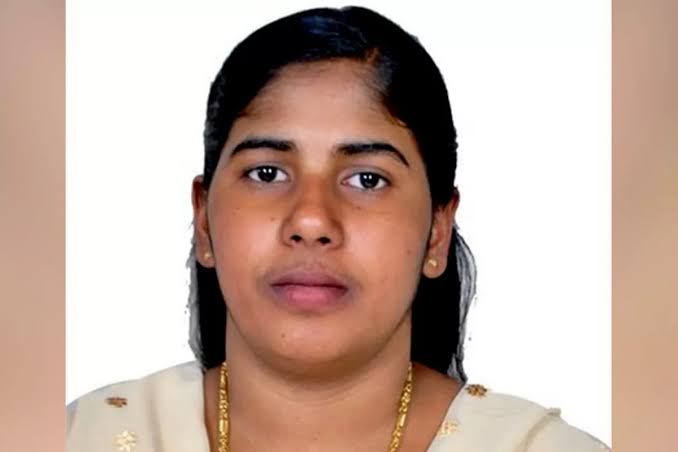
Nimisha Priya’s Execution Paused After India’s Appeal
On July 15, 2025, a ray of hope emerged for Nimisha Priya, a Kerala nurse sentenced to death in Yemen.
Yemeni authorities announced that her scheduled execution has been postponed. This decision comes just a day before the planned hanging, originally set for July 16. It follows intense diplomatic and humanitarian efforts from the Indian government and several religious leaders.


Nimisha Priya, a 38-year-old nurse from Kollengode, Palakkad district in Kerala, moved to Yemen in the early 2010s for better work opportunities. In 2017, she was accused and later convicted of murdering her Yemeni business partner, Talal Abdo Mahdi.
According to court documents, the case stemmed from a financial dispute and alleged personal conflict. Nimisha reportedly injected the victim with sedatives, which led to his death. The Yemeni court awarded her the death sentence in 2020.
India’s Diplomatic Intervention
Since the beginning, the Government of India has offered legal and diplomatic support. Over the past month, efforts intensified as the execution date neared.
On July 15, the Indian embassy successfully persuaded Yemeni officials to defer the execution. ANI quoted official sources saying, “The local authorities in Yemen have postponed the execution scheduled for July 16.”
Negotiating a Settlement: The Role of Blood Money
Under Sharia law, which Yemen follows, families of murder victims can accept “blood money” in exchange for pardoning the convict. Nimisha Priya’s family has offered a reported USD 1 million to the victim’s relatives.
This offer was supported by Kerala-based NGOs and Indian expat groups. It remains uncertain if the victim’s family has accepted the offer, but the postponement hints at possible ongoing negotiations.
Religious Diplomacy in Action
Prominent Indian Muslim leaders also stepped in. Sheikh Abubakr Ahmad, India’s Grand Mufti, personally reached out to Sunni religious leaders in Yemen.
On July 15, his delegation held a meeting with the victim’s family. Their goal was to foster goodwill and appeal for mercy on humanitarian grounds. Kanthapuram A.P. Aboobacker Musliyar, another influential Sunni leader, was involved in these high-level talks.
India’s Plea in Supreme Court
Earlier this week, the Government of India informed the Supreme Court that it was doing its utmost in the case. Attorney General R. Venkataramani told Justices Vikram Nath and Sandeep Mehta that, “The government has engaged with some very influential sheikhs there.”
However, he also acknowledged the limits of India’s influence in Yemen, which is currently under the control of Iran-backed Houthi rebels in the capital, Sana’a — where Nimisha is imprisoned.
Conditions in Yemeni Prisons
Nimisha Priya is currently held in Sana’a Central Prison, a facility known for harsh conditions. Multiple reports suggest inadequate medical care and limited legal access for foreign prisoners.
The prison is under Houthi control, which adds complexity to diplomatic negotiations. Still, Indian officials remain in constant contact with the prison administration and the prosecutor’s office.
Family’s Emotional Appeal
Nimisha’s mother has been at the forefront of the campaign to save her daughter. In an emotional public statement, she said:
“We are willing to do anything. We plead for mercy — not just for our daughter but for her nine-year-old daughter who waits every day for her mother’s return.”
The family also met several Indian MPs and foreign ministry officials, urging the government to intensify its efforts.
Public Outcry and Support
The case has captured national attention. Protests and candlelight vigils have been held across Kerala and in Indian expatriate communities in the Middle East. A Change.org petition gathered over 2 million signatures demanding clemency.
Human rights organizations, including Amnesty International India, have called for a humanitarian approach. They’ve stressed that the execution of a woman under such uncertain legal conditions would be a grave injustice.
What Happens Next?
The postponement of the execution is not a pardon. It buys precious time for further negotiations. Indian officials hope to reach a mutually agreeable solution under Sharia law to save Nimisha’s life.
However, if the victim’s family rejects the blood money, Yemen’s judicial system may proceed with the execution in the future. The next few weeks are crucial.
A Plea for Mercy and Justice
The case of Kerala nurse Nimisha Priya is more than legal. It is deeply human. A mother, a healthcare worker, and an Indian citizen stand on the edge of life and death in a foreign land.
The Indian government, along with religious leaders and the public, have united to seek mercy. Their efforts reflect not just policy, but humanity.
This postponement offers hope — but only time will tell whether it leads to a second chance at life.