
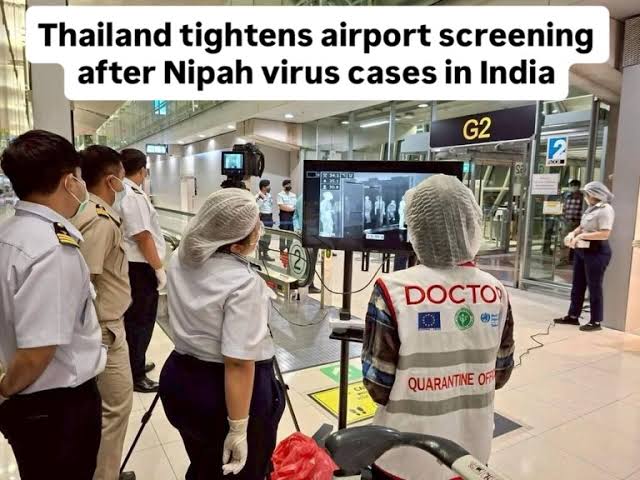

In response to the outbreak, Thailand’s Ministry of Public Health has begun screening passengers arriving from India at the country’s major international airports. Screening operations are currently underway at Suvarnabhumi and Don Mueang airports, with a specific focus on travellers originating from West Bengal.
Thai authorities have confirmed that passengers and airline agencies are cooperating with health checks. As part of preventive measures, travellers arriving from identified risk areas are being issued a “Health Beware Card,” advising them to monitor symptoms and seek medical attention if required.
The advisory lists symptoms such as fever, headache, muscle pain, sore throat, cough, breathing difficulty, confusion, drowsiness, and seizures. Travellers who may have come into contact with bats, sick animals, or infected individuals within the past 21 days are urged to report immediately to healthcare facilities.
India Steps Up Containment Measures in West Bengal
Indian health authorities have intensified containment efforts following the detection of three new cases earlier this week, in addition to two previously reported infections. The initial cases involved two nurses working at a private hospital in Barasat, located near Kolkata, raising concerns about possible healthcare-associated exposure.
State and central health agencies are conducting contact tracing, isolating suspected cases, and enforcing strict infection control protocols in hospitals. Surveillance teams have also been deployed in nearby districts to detect any signs of further spread.
Nepal Heightens Border and Airport Surveillance
Neighbouring Nepal has also raised nationwide alert levels in response to the outbreak in eastern India. Health screenings have been initiated at Tribhuvan International Airport in Kathmandu, as well as at major land border crossings with India.
Nepalese health officials have stated that surveillance has been intensified particularly in border areas adjoining India’s eastern states. Similar preventive checks have been ordered at multiple entry points to ensure early detection and rapid response.
The Nepal Ministry of Health and Population has assured the public that adequate preventive measures are in place, while urging vigilance among healthcare workers and travellers.
Why Nipah Virus Remains a Global Health Concern
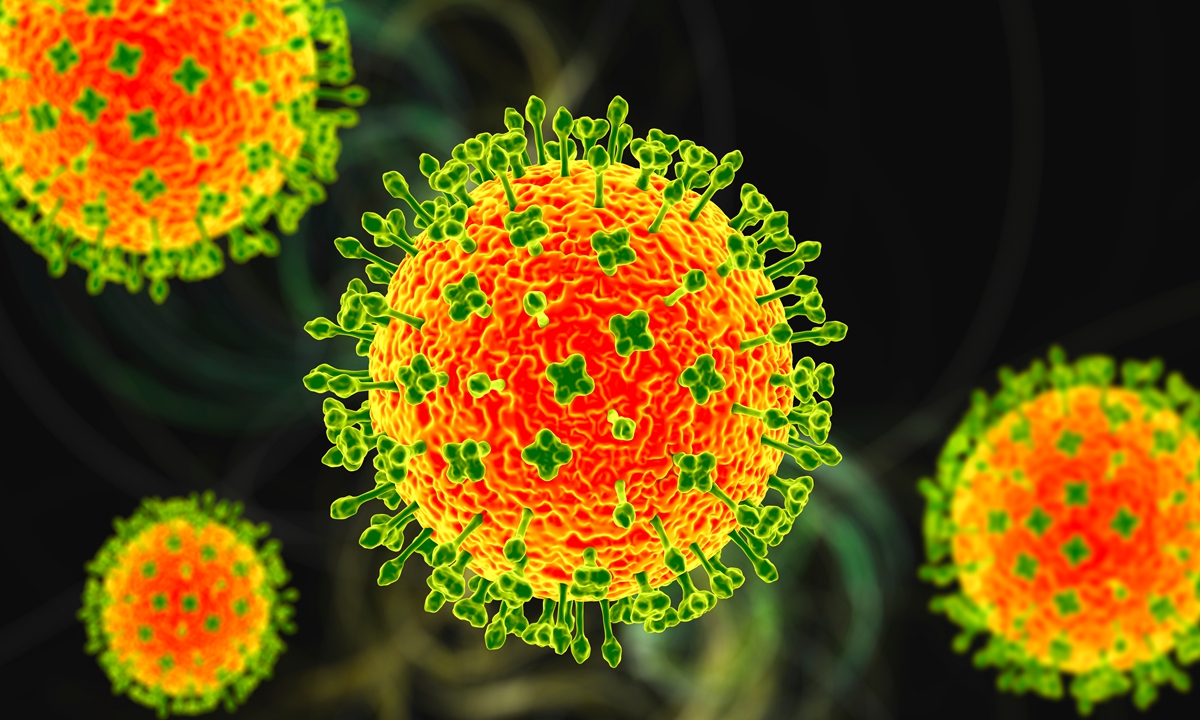
According to the World Health Organisation, Nipah virus is classified as a priority pathogen due to its epidemic potential and high mortality rate. Human infection can range from mild or asymptomatic illness to severe respiratory distress and fatal encephalitis.
The virus is primarily transmitted from fruit bats of the Pteropus species to humans, either through contaminated food or direct contact. Secondary human-to-human transmission has also been documented in healthcare and family settings.
With no approved vaccine or antiviral treatment currently available, public health responses rely heavily on early detection, isolation, and strict infection control. Past outbreaks have recorded fatality rates ranging from 40% to 75%, making containment critical.
Indian health agencies continue to work in coordination with global bodies, including the WHO India office, to ensure preparedness and public awareness.