 India’s Trade Performance Shows Steady Growth
According to the report, India’s total trade during Q4 FY25 reached $441 billion, marking a 2.2% year-on-year increase. While merchandise exports faced a slight contraction due to lower demand for mineral fuels and organic chemicals, sectors like pharmaceuticals, electrical machinery, and cereals posted strong gains.
Imports also rose marginally, primarily due to increased demand for nuclear reactors, electrical machinery, and inorganic chemicals. The report identified North America as India’s fastest-growing export market, expanding by 25% and accounting for nearly a quarter of total exports. Meanwhile, trade with the EU, GCC, and ASEAN regions showed moderation.
Global Market Shifts and India’s Export Focus
On the import front, the United Arab Emirates (UAE) surpassed Russia as India’s second-largest supplier, driven by gold inflows under the Comprehensive Economic Partnership Agreement (CEPA). Imports from China also grew, fueled by strong domestic demand for electronic components.
The report underscores the need for India to diversify into high-demand global markets and align export strategies with changing global trade dynamics.
Leather and Footwear Sector Under the Spotlight
The Trade Watch Quarterly dedicates a special focus to India’s leather and footwear industry, which employs over 4.4 million people and plays a vital role in exports. Despite competitiveness in processed leather and niche apparel, India’s share in the global $296 billion market remains modest at 1.8%.
As global preferences shift toward non-leather and sustainable products, the report emphasizes innovation, MSME strengthening, and R&D investment to enhance India’s presence in international markets. Aligning with green and design-led value chains will be crucial for expanding export potential.
CEO Highlights Export Resilience and Future Strategy
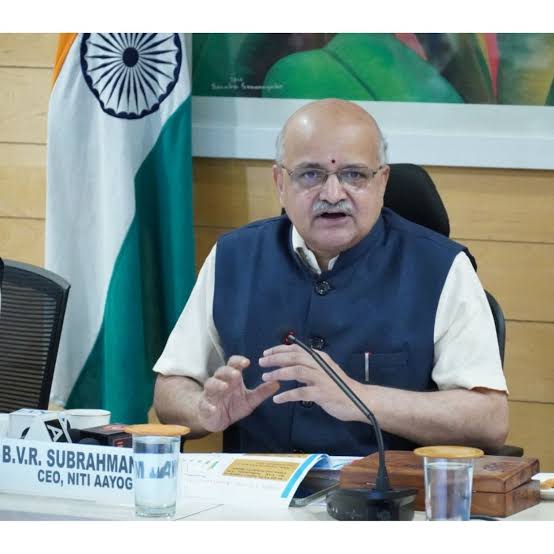
Addressing the launch event, Shri B.V.R. Subrahmanyam lauded the report for providing an insightful overview of India’s trade trajectory. He noted that services exports, aerospace, and high-value manufacturing continue to drive India’s resilience in global markets.
“India must adapt swiftly to shifting global demand patterns, enhance competitiveness in non-leather footwear, and stay alert to geopolitical trade shifts,” Subrahmanyam said. He further stressed the importance of leveraging data-driven trade strategies and fostering collaboration between industry and policymakers.