
 Tracking Structural Shifts in India’s Trade Profile
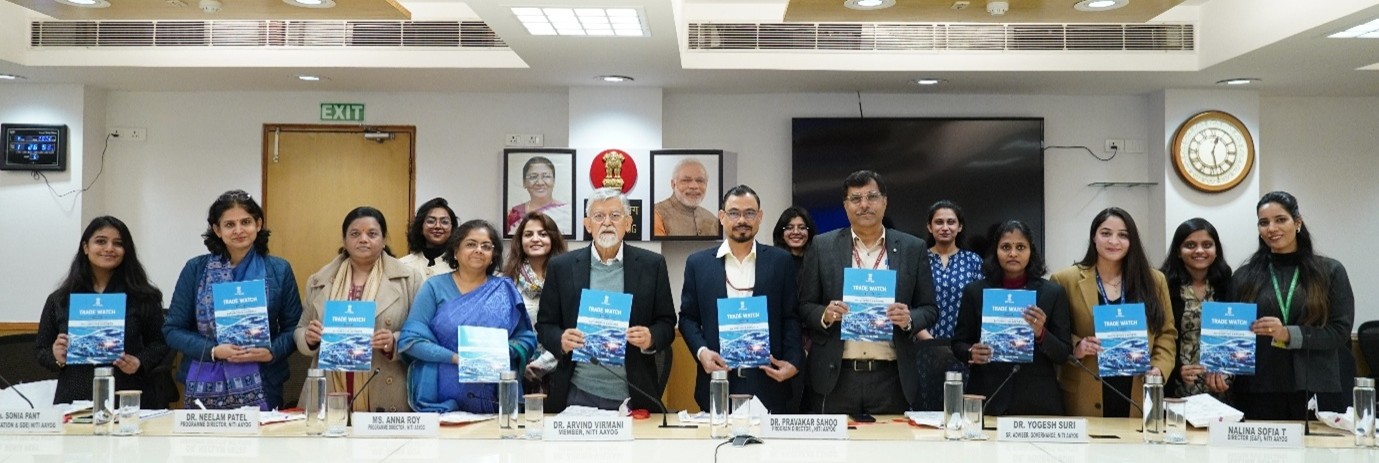
The fifth Trade Watch Quarterly underscores significant structural changes underway in India’s external trade. The report points to a rising contribution of technology-intensive exports, continued resilience in services-led growth, and evolving import patterns that reflect India’s deeper integration into global value chains.
These trends, the publication notes, signal a gradual shift from traditional low-value exports to more sophisticated products and services, strengthening India’s position in global trade networks while improving domestic value addition.
Automotive Exports in Focus
The thematic section of this quarter’s edition focuses exclusively on India’s automotive exports, a sector with growing global relevance and strong domestic manufacturing capabilities. The analysis examines global demand patterns, India’s export footprint across vehicles and auto components, tariff structures, and the extent of intra-industry trade.
India has recorded notable gains in segments such as auto components, motorcycles, and tractors, reflecting increasing production depth and competitive strength. The sector’s expanding presence across advanced and emerging markets further highlights its export potential.
Opportunities in a $2.2 Trillion Global Market
Despite these gains, the report identifies significant headroom for India to expand its share in the global automotive export market, currently valued at approximately $2.2 trillion and continuing to grow. The analysis draws on detailed mapping of global automotive exports, India’s current positioning, and stakeholder consultations.
It outlines targeted policy priorities to enhance competitiveness, including improving logistics efficiency, strengthening quality and certification systems, adopting advanced technologies, and reorienting production toward high-demand global segments.
Policy Insights and Forward Linkages
The publication also stresses the importance of fostering forward linkages in global automotive supply chains to support sustained export growth. Greater participation in global value chains, it argues, can help Indian manufacturers move up the value ladder and reduce vulnerability to external shocks.
Market diversification, closer alignment with international demand trends, and enhanced two-way trade engagement are highlighted as key enablers for improving India’s global positioning in the automotive sector.
A Reference for Policymakers and Industry
Trade Watch Quarterly continues to serve as a vital reference for policymakers, industry leaders, researchers, and academia by offering evidence-based insights and forward-looking recommendations. Its data-driven approach supports informed decision-making at a time when global trade dynamics are undergoing rapid transformation.