
Report Launch in New Delhi
The report was unveiled by NITI Aayog Vice Chairman Shri Suman Bery in the presence of Shri Yugal Kishore Joshi, Programme Director, and senior officials from the Ministry of Tourism, Ministry of Culture, and state governments. States such as Goa, Kerala, Uttarakhand, and Uttar Pradesh—well-known for their tourism potential—were covered in the report.
Industry representatives from IAMAI, MakeMyTrip, Airbnb, Chase India, Indian School of Public Policy (ISPP), and The Convergence Foundation also participated, highlighting the crucial role of public–private partnerships in shaping tourism policy.
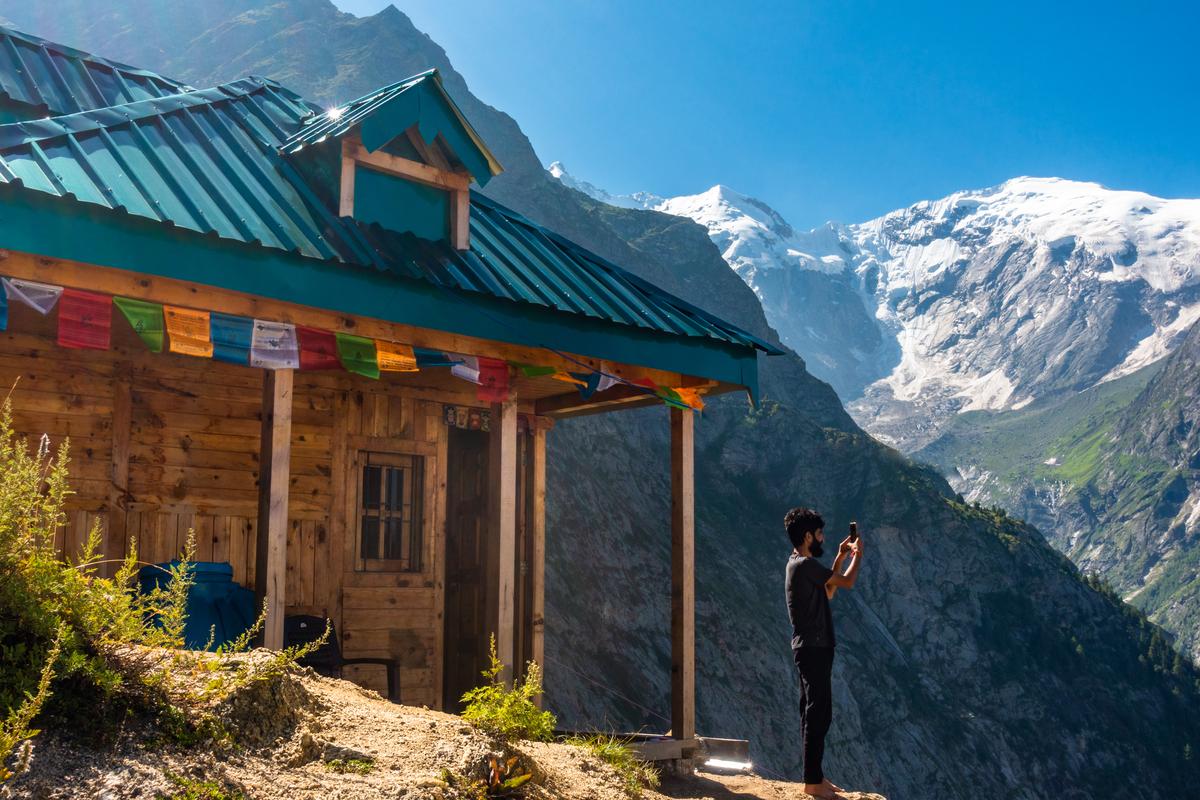

The report stresses that homestays play a pivotal role in offering tourists culturally immersive and authentic experiences. Beyond their tourism value, homestays create livelihood opportunities for local communities, particularly in rural and semi-urban regions. They support micro-entrepreneurship, empower women, and encourage heritage conservation.
By integrating travelers into community life, homestays can also decentralize the benefits of tourism and reduce the pressure on conventional tourist hubs.
Call for Light-Touch Regulation
One of the key recommendations is the adoption of light-touch and transparent regulations that prioritize both safety and trust. Overregulation, the report notes, could discourage small hosts, while a balanced framework would protect tourists, ensure quality, and allow the sector to flourish organically.
The NITI Aayog report also highlights the need to harmonize licensing, taxation, and compliance norms across states to encourage more participation from individuals and small-scale entrepreneurs.
Digital Integration and Consumer Trust
With the rise of platforms like Airbnb and MakeMyTrip, digital tools have become critical to scaling homestays. The report calls for capacity building and digital literacy among hosts to help them use online booking systems, manage reviews, and build stronger consumer trust. This, it argues, will help formalize the sector and make it globally competitive.
Best Practices and State Models
The document also includes case studies and state-level best practices that showcase successful models of homestay promotion. For instance, Kerala’s homestay program has become synonymous with cultural tourism, while Uttarakhand’s community-based initiatives are empowering women and youth in remote villages.
Such models, if scaled and adapted, could help other states develop inclusive and heritage-conscious tourism strategies.
Path Ahead for Policymakers
Developed through extensive consultations with aggregators, hosts, and policymakers, the report presents actionable recommendations for government bodies and private stakeholders. Its core aim is to build a resilient homestay sector that can contribute to India’s vision of sustainable and inclusive tourism.