Reason Behind Suspension
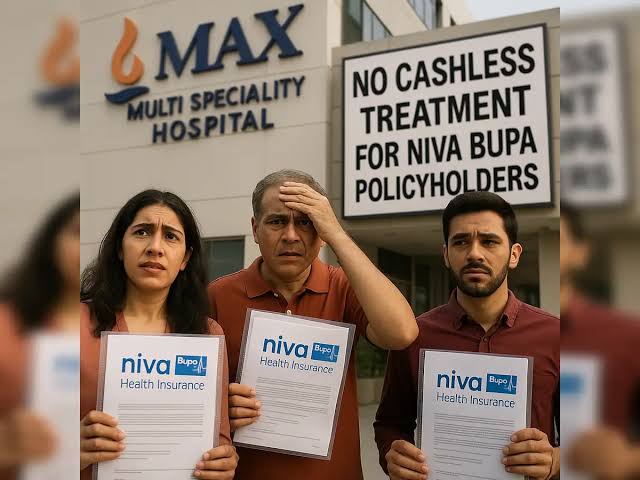
Dr. Bhabhtosh Mishra, Director & COO at Niva Bupa, stated that the agreement with Max Hospitals expired in May 2025. Despite ongoing annual tariff revision discussions, a mutual agreement could not be reached, prompting the temporary suspension of cashless services. Similar suspensions also apply to Star Health and Care Health at Max Hospitals.
Max Healthcare clarified that it continued offering cashless services even after the contract expired. However, Niva Bupa requested further tariff reductions, which Max considers unviable, citing potential compromise in patient safety and quality of care.
 Impact on Policyholders
Policyholders must now pay upfront for treatments at Max Hospitals and submit claims to Niva Bupa for reimbursement. To ease the transition, the insurer has introduced a priority reimbursement process for ongoing treatments.
Alternatively, policyholders can access cashless facilities at over 10,000 network hospitals where the service remains fully operational. Niva Bupa advises customers with chronic conditions to consider network hospitals to avoid disruptions.
Claim Settlement and Complaints
According to the IRDAI’s Handbook on Indian Insurance Statistics for FY 2023-24, Niva Bupa recorded a claim settlement ratio of 92.02%. However, the incurred claims ratio stood at 59.92%, meaning only around Rs 60 was paid on every Rs 100 claimed. Niva Bupa also ranks among the top five insurers with the highest number of complaints filed with the Council of Insurance Ombudsman.
Earlier this year, CARE Health Insurance had similarly suspended cashless services at Max Hospitals in Delhi-NCR due to unsustainable tariff demands.
What Policyholders Should Do
Customers continuing treatment at Max Hospitals should follow the priority reimbursement process and keep receipts for faster claim processing. For new treatments, selecting an alternative hospital from Niva Bupa’s network ensures uninterrupted cashless service.