

Punjab, Haryana, and Delhi Chamber of Commerce and Industry (PHDCCI) will host a live demonstration of these cutting-edge recycling technologies on 28 November 2025 in Panipat. The event will bring together industry leaders, government officials, and stakeholders to showcase practical applications, industry adoption, and sustainability impact.
National Flag Recycling Initiative
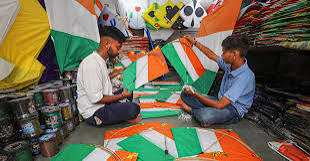
For the first time, a structured, scientifically verified process has been implemented for the dignified recycling of retired Indian national flags. Developed with an industry partner, the initiative ensures that the Tricolour’s fabric and integrity are either preserved or responsibly repurposed, aligning sustainability with patriotic values. This effort complements the HarGharTiranga campaign and reinforces respect for the national emblem.
Aramid Fibre Recycling Programme
The project’s Aramid Fibre Recycling Programme addresses high-performance fibre waste used in defence, aerospace, and protective textiles. Innovative methods developed under NTTM allow industries to recycle aramid fibres efficiently without compromising material strength. Several technical textile companies have already begun adopting these solutions, demonstrating the mission’s success in translating research into commercial applications.
Driving Innovation and Sustainability
These initiatives exemplify NTTM’s vision of integrating technology, research, and national purpose. By combining sustainability with industry-ready solutions, NTTM strengthens India’s position in global technical textiles while supporting green manufacturing practices and circular economy principles.