
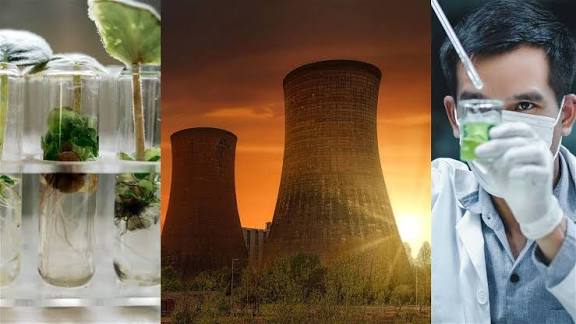


In the last five years (2020-2025), BARC has successfully developed 23 new varieties for cultivation. These include 7 rice varieties, 5 mustard varieties, 3 black gram, 3 sorghum, 2 groundnut, 1 mung bean, 1 sesamum, and 1 banana variety. The breeder seeds produced for these crops amount to 1,680 quintals, enabling an estimated 18,05,300 quintals of seeds for farmer use through multiplication processes.
Radiation-Based Food Preservation
BARC has developed radiation-based food preservation technologies, complemented by cold storage, to extend shelf life and reduce post-harvest losses. Irradiation effectively eliminates insects and microbes in grains, spices, and other perishable produce, providing a chemical-free preservation method. This technology is aiding exports of mangoes, pomegranates, and other agricultural products to countries such as the USA and Australia, while also enhancing the marketability of spices, grains, vegetables, and processed food products.
Infrastructure and Industry Adoption
To facilitate large-scale deployment, 41 food irradiation and medical product sterilization facilities have been commissioned across private and state sectors. These centers provide radiation processing services on demand. BARC is also developing comprehensive Standard Operating Protocols (SOPs) for irradiation, ensuring safety, consistent results, and improved market value.
Research Collaborations and Global Standards
DAE and BARC conduct extensive R&D in nuclear agriculture in collaboration with State Agricultural Universities and ICAR research institutes. These initiatives not only help extend the shelf life of perishable crops but also enable India to meet international quarantine standards, facilitating access to high-value global markets. Export-oriented irradiation treatments have successfully allowed mangoes and pomegranates to reach markets in the USA, Australia, South Africa, and Malaysia.
Impact on Farmers and National Food Security
By integrating radiation science into agriculture, the government’s initiatives are strengthening food security, reducing wastage, and boosting farmer incomes. The combination of improved crop varieties, advanced preservation methods, and collaboration with global markets is positioning India as a leader in scientific agriculture and value-added agri-trade.