
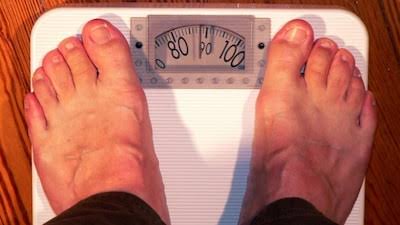
In India, the research highlights a strong willingness among people with obesity to take action. However, the same group also demonstrates significant knowledge gaps regarding the long-term health complications linked to the condition.


According to the Ipsos study, people living with obesity in India are more proactive than the global average when it comes to seeking medical advice. Around 50 percent of respondents reported consulting a doctor about their weight in the past year. This figure is significantly higher than the global average of 35 percent.
Similarly, more than half of the respondents said they had experimented with fad diets in an attempt to lose weight. Despite these efforts, awareness about obesity-related health risks appears to lag behind global trends.
Only 37 percent of respondents linked obesity with type 2 diabetes, while just 39 percent recognised its connection to heart disease. In contrast, global averages for these risk associations stand at 53 percent and 52 percent respectively.
Health experts say this knowledge gap may weaken efforts to manage the condition effectively and prevent associated chronic illnesses.
Medical Advice Often Focuses on Supplements
The study also examined how healthcare professionals approach obesity management in India. Patients who had consulted doctors reported that physicians were more likely than their international counterparts to recommend vitamins, supplements, or other non-prescription products.
Approximately 42 percent of respondents said doctors advised such supplements, compared with a global average of 26 percent. Another 41 percent reported being encouraged to enrol in structured weight management programmes.
These recommendations highlight growing recognition of obesity as a health issue requiring structured intervention rather than simple lifestyle advice.
Public health authorities in India have increasingly emphasised the importance of preventive healthcare and lifestyle changes.
Self-Blame and Social Pressure
One of the most notable findings from the Ipsos study is the strong sense of self-blame reported by many individuals living with obesity in India. Around 61 percent believe their condition is largely preventable through personal choices such as diet and exercise.
At the same time, three-quarters of respondents believe that diet and exercise alone can solve obesity for most people. Experts say this perception may oversimplify the condition, which is often influenced by complex biological, genetic, and environmental factors.
Social pressure also plays a significant role in shaping attitudes toward obesity. Nearly half of respondents reported frequently feeling embarrassed about their weight, while 48 percent said they often worry about how others perceive them.
These numbers are considerably higher than the global averages, suggesting that stigma surrounding body weight remains strong in Indian society.
Impact on Daily Life and Social Activities
The study also highlights how obesity affects everyday life for many people in India. Satisfaction with physical health was notably lower among individuals living with obesity compared with those who are not.
About 59 percent of people with obesity said they were satisfied with their physical health, compared with 70 percent among those without the condition.
Behavioural patterns also reflect the emotional and social burden associated with obesity. The research found that 82 percent of respondents in India had avoided social, leisure, or romantic activities because of their weight.
This figure is significantly higher than the global average of 70 percent, indicating that obesity-related stigma can lead to social isolation and reduced quality of life.
Experts Call for Better Education
Experts involved in the research say the findings highlight the urgent need for better public awareness about obesity as a complex chronic disease.
Roberto Cortese, who leads Ipsos’ global research on obesity and cardiometabolic diseases, noted that many people in India are actively trying to manage their condition but may not fully understand the underlying health risks.
According to health specialists, improving education around obesity could help reduce stigma and encourage more effective treatment approaches. They also stress that obesity management often requires medical support, lifestyle changes, and long-term care rather than quick solutions.
As India continues to grapple with rising rates of lifestyle-related diseases, experts say bridging the awareness gap could play a critical role in improving public health outcomes.