
 A Massive Living Presence Beneath the Waves
The findings come from the Biogeochemical-Argo (BGC-Argo) program, a global scientific initiative deploying 903 autonomous floats across the oceans. These robotic instruments dive deep below the surface, collecting real-time data on ocean chemistry and biological activity.
Using this network, researchers have produced the most accurate global estimate yet of total phytoplankton biomass. The result—approximately 346 million metric tons of living organic matter—equates to the combined weight of around 250 million elephants.
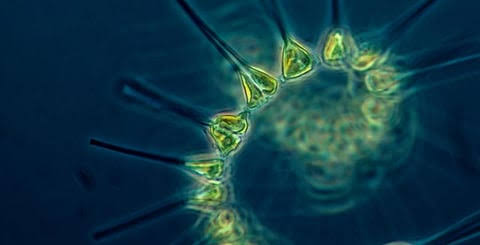
Phytoplankton are microscopic marine algae and organisms invisible to the naked eye. Yet collectively, they form one of the most powerful life-support systems on the planet.
Why Phytoplankton Matter So Much
Despite their tiny size, phytoplankton are fundamental to life on Earth. Through photosynthesis, they produce nearly half of the oxygen humans breathe. At the same time, they absorb vast amounts of carbon dioxide, making them essential in combating global warming.
Scientists often describe phytoplankton as “the lungs of the ocean.” Without them, atmospheric composition would change dramatically, and the fight against climate change would become significantly more difficult.
Their role extends beyond climate. Phytoplankton form the base of the marine food chain, supporting fish, marine mammals, and ultimately global fisheries that feed billions of people worldwide.
Technology Unlocks the Ocean’s Secrets
Until recently, satellites were the primary tool for studying ocean life. While highly effective for observing surface activity, satellites cannot fully capture biological processes occurring deeper underwater.
The BGC-Argo floats bridge this gap. These robotic devices dive through different ocean layers, measuring oxygen levels, carbon content, nutrient concentrations, and biological productivity. This deeper perspective allows scientists to refine climate models and better understand carbon cycles.
According to marine experts, this technological synergy between satellite imaging and underwater robotics represents a new era in ocean research.
Implications for Climate Policy
Accurate measurement of phytoplankton biomass strengthens global climate forecasting models. Policymakers rely on such data to design environmental regulations and climate mitigation strategies.
India, as a nation with a vast coastline and a strong dependence on marine resources, closely monitors ocean research developments.
Experts say understanding how phytoplankton populations respond to rising ocean temperatures and pollution will be critical in the coming decades.
Addressing Scientific Questions
While the 346 million metric ton estimate is significant, scientists emphasize that it refers to carbon-equivalent biomass. Phytoplankton mass includes various elements beyond carbon, such as oxygen and hydrogen.
The study covers global oceans rather than a specific region. However, researchers continue refining measurements to better understand regional variations, especially in climate-sensitive areas like the Arctic.
Debates among researchers reflect healthy scientific scrutiny, but there is broad consensus that improved measurement technology has dramatically enhanced accuracy compared to previous models.
A Turning Point in Ocean Science
The deployment of nearly a thousand robotic floats marks a transformative moment in marine exploration. Rather than relying solely on surface sampling, scientists can now track biological processes throughout the water column.
This discovery reinforces a simple truth: the oceans are far more dynamic and essential than previously understood. As climate pressures intensify, every insight into how marine systems function becomes invaluable.
The revelation of this vast, invisible biomass does more than expand scientific knowledge. It highlights the delicate balance sustaining life on Earth and underscores the urgency of protecting the world’s oceans.