
A New Approach: Swadesh Darshan 2.0
The original Swadesh Darshan Scheme (SD 1.0), launched in 2014-15, aimed at developing theme-based tourism circuits in the country. Under this phase, Odisha saw the successful implementation of the “Coastal Circuit” project. This included the development of tourist destinations like Gopalpur, Barkul, Satapada, and Tampara, which were completed in the financial year 2016–17.
With the evolution of tourism needs and sustainability concerns, the Ministry of Tourism has now introduced Swadesh Darshan 2.0. This upgraded version focuses on a destination-centric and tourist-centric model. It emphasizes creating infrastructure that not only attracts tourists but also benefits local communities.


As part of SD 2.0, the Ministry, in collaboration with the Government of Odisha, has identified Debrigarh as a focal destination. It is complemented by Khinda Village, a unique tribal settlement known for its cultural significance.
The Detailed Project Report (DPR) for this development is awaited. Once approved, it will pave the way for improved infrastructure, eco-tourism opportunities, and immersive visitor experiences in the region.
Why Debrigarh Matters
Located near the Hirakud Dam in western Odisha, Debrigarh Wildlife Sanctuary is a haven for biodiversity. It offers stunning views, boating options, and rare flora and fauna. It also holds historical value as a hideout of freedom fighter Veer Surendra Sai.
Adding Khinda Village to the plan will create a tourism narrative that fuses nature, heritage, and tribal culture. This aligns well with SD 2.0’s goal of promoting inclusive tourism development.
Boost to Local Livelihoods and Tribal Empowerment
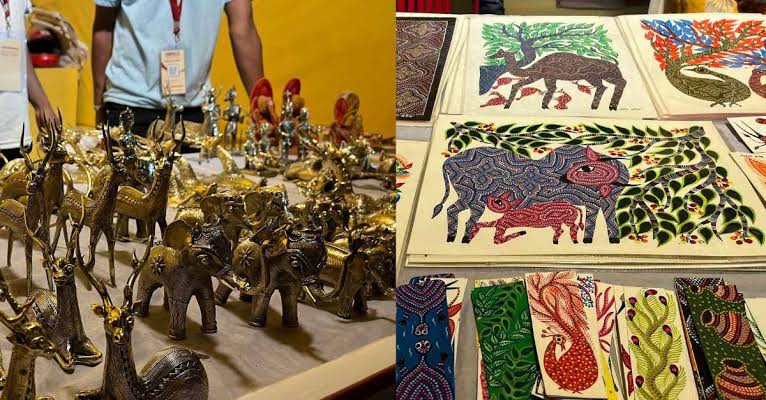
One of the core pillars of the Swadesh Darshan 2.0 is community participation. The Ministry aims to involve tribal populations, promote local handicrafts, and support homestays and eco-lodges.
This will open up opportunities for self-employment, skill development, and entrepreneurship in remote areas like Khinda. The aim is to build tourism models that are financially viable and culturally respectful.
Union Minister’s Statement
In a written reply in the Lok Sabha, Union Minister for Tourism and Culture Shri Gajendra Singh Shekhawat emphasized the Centre’s commitment to working with states like Odisha to create globally competitive tourism destinations.
He reaffirmed that Swadesh Darshan 2.0 will be implemented in a way that integrates the cultural essence of each location while delivering modern tourism experiences.
What’s Next for Odisha?
With the physical work already completed for earlier projects, and Debrigarh in the pipeline under SD 2.0, Odisha is positioned to emerge as a key tourism state in Eastern India.
The success of this initiative will depend on quick DPR finalization, community involvement, and smart infrastructure planning. With focused execution, Odisha could soon be on the international tourist radar.
Key Takeaways
- Swadesh Darshan 2.0 focuses on sustainable and community-led tourism.
- Odisha’s Debrigarh and Khinda Village chosen for new project.
- Tourism aims to boost tribal economy and heritage conservation.
- Earlier Coastal Circuit project in Odisha completed under SD 1.0.
- Emphasis on ecotourism, cultural tourism, and skill development.
Conclusion
Tourism in Odisha is entering a new era. Backed by the central government and Swadesh Darshan 2.0, the state can set an example for inclusive, sustainable tourism in India. With destinations like Debrigarh and Khinda Village, Odisha’s tourism story could soon echo across the globe.