
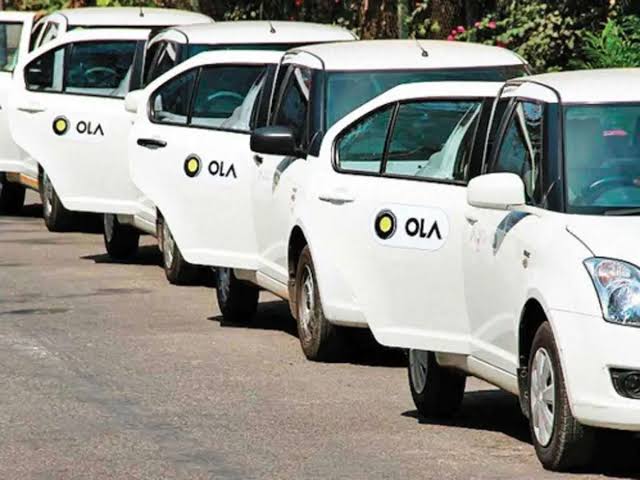
Ola, Uber Allowed to Charge 2x Base Fare During Peak Hours
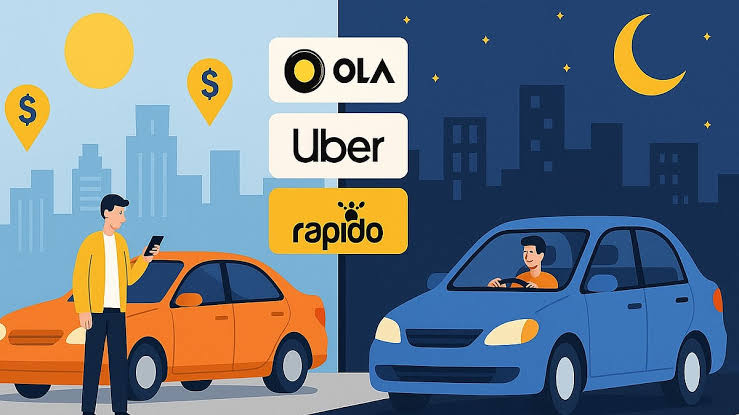
New Delhi, July 2, 2025: Cab fares are likely to see a rise during peak traffic hours as the Ministry of Road Transport and Highways has officially allowed ride-hailing platforms like Ola and Uber to implement a new surge pricing structure. Under the Motor Vehicles Aggregator Guidelines (MVAG) 2025, aggregators can now charge up to 2x the base fare, a sharp rise from the earlier cap of 1.5x.

The Ministry has advised all states and union territories to roll out these revised guidelines within the next three months. The changes aim to create a balance between consumer protection and operational flexibility for digital cab aggregators.
This update is expected to impact major cities like Delhi, Mumbai, Bengaluru, and Hyderabad the most—where peak-hour demand regularly overwhelms supply.
What Does the New Surge Cap Mean?
Until now, the surge cap was limited to 1.5x of the base fare. For example, if your base fare was ₹100, the maximum you could be charged during rush hours was ₹150. Under the new MVAG 2025 policy, that cap has risen to ₹200. This change enables cab operators to better manage demand and supply during peak hours, festivals, rainstorms, or public transport strikes.
Why the Change?
According to the Ministry, the change was made to reflect the dynamic nature of urban transport demand and to allow cab companies to stay financially viable. Ola and Uber have both welcomed the decision, saying it will improve driver availability during high-demand hours, reduce cancellation rates, and ensure a more responsive service.
“Dynamic pricing helps balance demand and supply efficiently. The updated MVAG guidelines are a step in the right direction,” said an Ola spokesperson.
Public Reaction Mixed
While the industry sees this as a positive step, commuters are less enthusiastic. Many fear that this could make everyday travel unaffordable, especially for office-goers during rush hours. Social media was abuzz with reactions, with hashtags like #SurgeShock and #OlaUberHike trending.
Safety and Transparency Provisions
The MVAG 2025 also outlines stricter requirements for fare transparency. Aggregators must clearly display fare breakups—including surge multipliers—before ride confirmation. Additionally, they are required to offer in-app support for fare disputes and issue digital receipts detailing the fare calculation.
Other key reforms in the MVAG 2025 include:
- Mandatory panic button integration in apps
- Background checks and training for all drivers
- Minimum fare disclosure before ride confirmation
What’s Next?
State transport departments must now notify their own implementation plans. Some like Maharashtra and Karnataka are expected to adopt the new model quickly, while others might take more time. Passengers are advised to watch for updates in their region.
For consumers, this may mean higher fares during critical hours but possibly better availability and less waiting time. For aggregators, it means greater pricing freedom and scope for incentivizing drivers.
Conclusion
As India urbanizes rapidly, flexibility in pricing models becomes crucial for tech-driven transport systems. The MVAG 2025’s surge pricing hike is controversial, but it could improve cab availability and service quality if implemented with strong oversight and consumer safeguards.