

High Court Condemns “Bulldozer Justice”
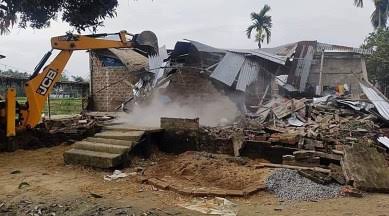

Violation of Due Process
According to court records, the demolition was carried out without any proper notice, in complete violation of existing stay orders. The Tahasildar allegedly bypassed legal procedures under the Odisha Prevention of Land Encroachment Act, leading to the unlawful destruction of community infrastructure.
The judge observed that the demolition amounted to “executive high-handedness” and said such incidents were fast becoming normalized across states, where local officials wield bulldozers before court verdicts are finalized.
Accountability & Compensation
In a rare move, the court imposed personal financial liability on the official, emphasizing the need for “individual accountability” in acts of administrative abuse. ₹2 lakh will be deducted from the Tahasildar’s salary in installments, while the remaining ₹8 lakh will be paid by the state government.
“We are witnessing a worrisome pattern where officials act first and seek justification later,” the court noted. It added that such actions not only violate property rights but also erode public faith in the rule of law.
Judicial Pushback Against Executive Overreach
This case marks another instance where courts have intervened against unchecked administrative powers. In recent months, similar instances of unauthorized demolitions under the pretext of encroachment have surfaced across India, especially in politically sensitive cases.
The court’s firm stance sends a strong message to authorities that bulldozers cannot replace due process. Legal safeguards must not be treated as optional formalities.
Conclusion
The Orissa High Court’s judgment underscores the urgent need for administrative discipline and respect for legal procedures. It also sets a precedent for holding individual officials accountable for misusing state machinery.
As India continues to grapple with the balance between state power and citizen rights, this ruling is a clear reminder that justice must never be bulldozed.