
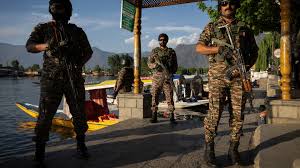
India woke up to a heavy heart as the aftermath of the Pahalgam terror attack continues to send shockwaves across the country. The brutal assault, which claimed 26 lives in the serene town of Pahalgam on April 22, has not only shaken the nation’s conscience but also reignited tensions along the Line of Control (LoC).

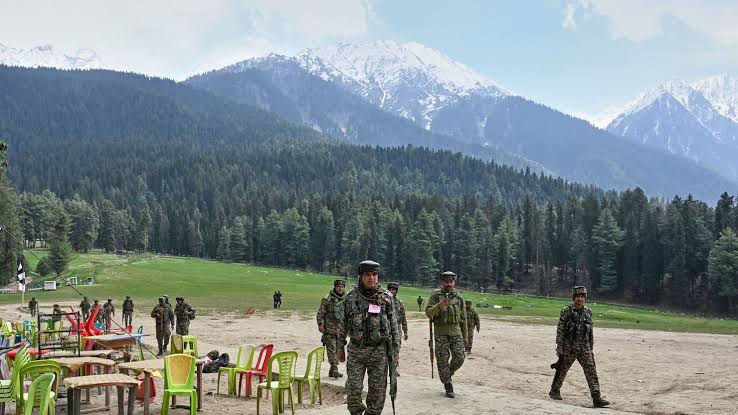
For nine consecutive nights, small arms fire has echoed across sectors in Kupwara, Uri, and Akhnoor as Pakistani forces repeatedly violated the ceasefire agreement. In response, the Indian Army has been firm but measured, retaliating with what it described as “prompt and proportionate” action. Prime Minister Narendra Modi has granted full operational freedom to the armed forces, signaling a no-tolerance stance against cross-border aggression.
The human toll, however, is not just in the numbers. From the borders of Kashmir to the plains of Gujarat, ordinary citizens are grieving, protesting, and voicing their fear and anger. In Chennai, demonstrators gathered to denounce the terror strike, their chants echoing a unified call for justice and peace. In Kutch, Gujarat, refugees of the 1971 Indo-Pak war, now Indian citizens, expressed deep sorrow and urged the government to allow retired army personnel to be armed for community protection.
“We condemn this barbaric attack. Such acts should never happen again. The culprits must face the harshest punishment,” said a resident of Mendhar, J&K, who was recently allowed by the High Court to stay in India after facing deportation. Their words carry the weight of both gratitude and trauma, revealing the fragile balance that border communities live with every day.
In Hyderabad, a tourist named Abdul Wahid urged people to continue visiting Kashmir. “There is nothing to be afraid of. The people here are kind and the atmosphere is peaceful,” he said, hoping to counter the fear that often engulfs the Valley in the wake of violence.
Meanwhile, political tempers have flared. The Bharatiya Janata Party (BJP) strongly condemned Congress leader Charanjit Singh Channi for questioning the authenticity of the 2019 surgical strikes. The BJP accused Congress of demoralizing the armed forces and playing into Pakistan’s hands, a charge that has fueled a fresh round of political sparring at a time when national unity is most needed.
The emotional temperature rose further when Rakesh Tikait, a prominent farmer leader, was heckled at a protest rally in Muzaffarnagar. In the scuffle, his turban was knocked off — an incident the Bhartiya Kisan Union has called a politically motivated attempt to sow division within the farmers’ movement.
At its core, this tragedy has once again highlighted the resilience and unity of ordinary Indians. From civilians demanding action to tourists promoting peace, from veterans offering to defend their homes to courts stepping in to protect long-term residents — the response has been deeply human, layered with pain, courage, and an unwavering desire for peace.
The nation mourns, but it also stands firm. As the international community urges restraint and Pakistan reportedly eyes a move at the UN Security Council, India’s message remains clear: acts of terror will not break the spirit of its people.
Even in the darkest moments, voices of compassion, hope, and resolve continue to rise — reminding the world that while India bleeds, it never bows.